Abundantly gifted with fascinating landscapes and a mesmerizing array of huge mountains, Nepal has been the center of tourists' attraction for decades. Eight of the highest mountains out of 14 (above 8000 meters), including the world's highest mountain, Mt. Everest, reside in the beautiful shelter of our country. Therefore, it would be an understatement to say that Nepal is the best place for tourists because it is a paradise for every nature lover who wants to witness the beauty of mountains in their purest form. Trekking is one of the most adventurous and thrilling ways of observing the magnificent beauty of nature that is abundantly found in our country. Trekking in Nepal is all about exploring the beautiful nature, perceiving flora and fauna, and getting acquainted with the rich and varied culture found in the giant mountains and the snow-peaked Himalayas. Slow and steady travel on foot is perhaps the finest way to discover every detail about nature and share a meaningful bond with the country. Trekking consists of 5 to 7 hours of daily walking and 9 to 14 kilometers of ascents and descents on average.
Annually, more than 2,000 tourists come to visit the historical glory of the mountains in Nepal, where they experience a piece of heaven on earth and take away the treasured memories of their visit. The pleasant landscapes surrounded by breath-taking gigantic mountains are also the home for endangered species of plants and animals, mysterious temples and monasteries, primitive cities, and so on. In fact, Nepal is a paradise for all the souls wandering across the globe in search of a tranquil and sacred abode.
What is trekking?
Trekking is an activity in which people take multiple-day hiking trips through mountainous, often rugged, territory. It is also a way of getting from place to place, where trekkers engage themselves in trips to different parts of the world. Trekking can also be assimilated with other outdoor sports such as rock climbing or backpacking. But it does not generally mean mountain climbing. It refers to walking on trails and observing the wonders of nature.
Despite the different activities like hiking or peak climbing, trekking allows trekkers to interact with nature and blend with the local people's culture. Trekking is the best way to enjoy the scenic grandiosity of nature and navigate through the mountain range. It also allows you to walk through villages, which are yet to be influenced by the modern world.
Plan Nepal Trek & Expedition (P.) Ltd. is apparently one of the reputed trekking companies run and managed by a group of professionals and veteran trekking guides. For our customers' delight and adventure, we offer treks to many regions of our country, depending on their time and interests. Trekking in Nepal will help you know a country that has had a prodigious history of mountaineers and explorers for more than 100 years.
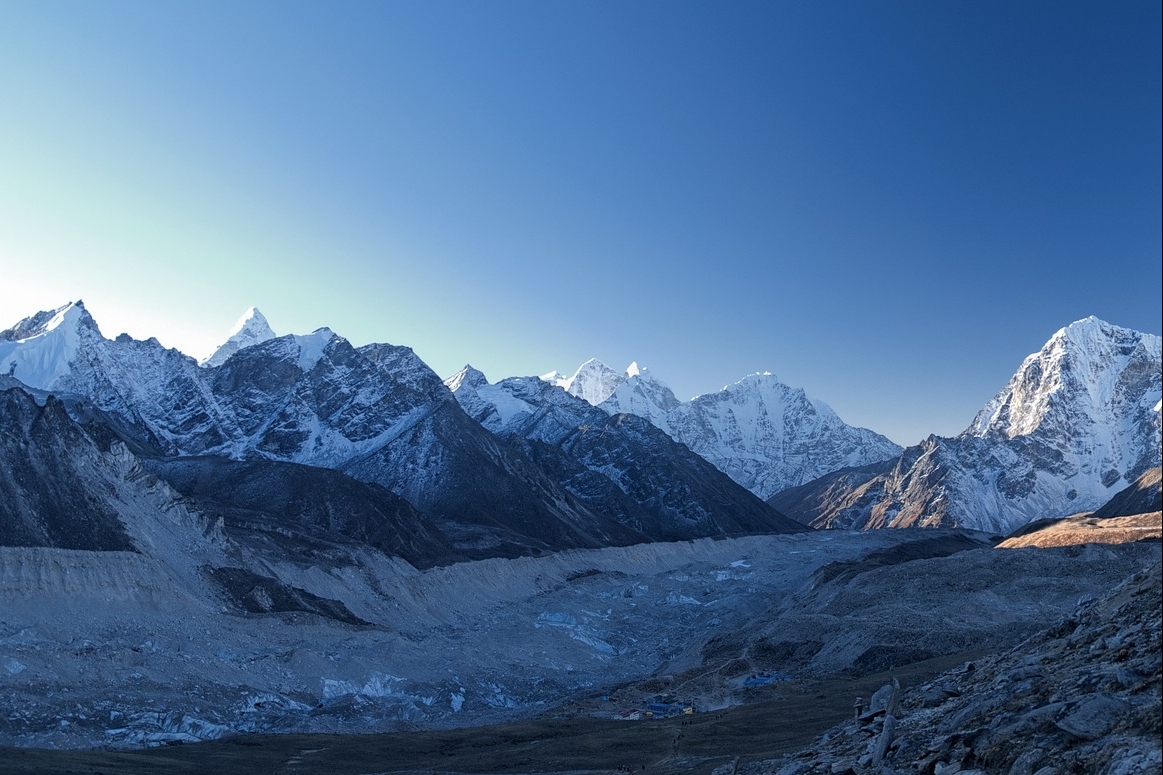
One of the most iconic and exhilarating trekking routes in the world, the Everest Base Camp (EBC) trek offers a once-in-a-lifetime experience that truly surpasses all expectations. Situated in the heart of the Himalayas, this trek leads adventurers to the base camp of the world’s highest peak—Mount Everest (8,848 meters). The trek immerses travelers in breathtaking natural beauty, where four of the six tallest mountains on Earth—Mt. Everest, Mt. Lhotse, Mt. Makalu, and Mt. Cho Oyu—stand majestically against the sky. The towering ridges and rugged terrain form a stunning backdrop for trekkers, creating an unforgettable adventure that combines physical challenge with awe-inspiring scenery.Beyond the magnificent landscapes, the Everest Base Camp Trek offers a deep cultural immersion into the Sherpa way of life. The Sherpa people, known for their resilience and mountaineering prowess, add a rich cultural layer to this trek. Visitors have the unique opportunity to visit ancient monasteries such as the 500-year-old Tengboche Monastery, which is nestled amidst stunning mountain views and is a spiritual haven. Trekking through Sagarmatha National Park, a UNESCO World Heritage Site, trekkers witness diverse Himalayan flora and fauna in pristine wilderness. The trek culminates with the climb to Kala Patthar (5,545 meters), providing panoramic vistas of Everest and surrounding peaks at sunrise. This journey, regarded as the grandest trek in the Himalayas, begins from the bustling airstrip of Lukla and winds through Sherpa villages, rhododendron forests, and glacial landscapes. Plan Nepal Trek & Expedition expertly organizes this 14-day itinerary, carefully designed to balance acclimatization and adventure, ensuring trekkers have a safe, fulfilling, and life-enriching experience.Best Time for Everest Base Camp TrekChoosing the right time to embark on the Everest Base Camp Trek is crucial for a rewarding experience, both in terms of weather conditions and trekking safety. The best times to trek to Everest Base Camp are during the pre-monsoon (spring) season, from late February to May, and the post-monsoon (autumn) season, from late September to early December. These windows offer the clearest skies, stable weather, and the most breathtaking views of the Himalayan peaks. Springtime is particularly magical as the rhododendron forests burst into vibrant colors, enhancing the natural beauty of the trail. Autumn, on the other hand, offers crisp air and excellent visibility, making it perfect for capturing stunning photographs of Everest and its neighboring summits.Winter trekking is possible but not recommended for most travelers due to extreme cold and the risk of heavy snowfall, which can make the trail difficult and dangerous. Summer monsoon season, from June to August, brings heavy rains and increased risk of landslides and trail erosion, often obscuring mountain views with thick clouds. However, the monsoon season does bring lush greenery and fewer trekkers, which some adventurers may prefer. For a well-rounded experience, Plan Nepal Trek & Expedition advises travelers to plan their trek during the peak seasons, when the weather is most stable and the trails are bustling with fellow trekkers and vibrant local culture. Regardless of the season, the company’s experienced guides ensure safety and comfort throughout the journey.Everest Base Camp Trekking DifficultyThe Everest Base Camp Trek is classified as a moderate to challenging trek, demanding a reasonable level of physical fitness and mental endurance. The trek is approximately 130 kilometers round trip and involves trekking at high altitudes, reaching a maximum elevation of 5,545 meters at Kala Patthar. The trail covers rugged terrain, including steep ascents, descents, and sometimes rocky or icy paths, especially as you approach higher altitudes. One of the biggest challenges for trekkers is the risk of altitude sickness, which is why proper acclimatization days are incorporated into the itinerary. These rest days at Namche Bazaar and Dingboche allow the body to adjust to the thinning air, reducing the risk of serious health issues.While the trek requires stamina and careful preparation, it does not involve technical climbing skills, making it accessible to adventurous travelers with good physical conditioning. Daily walking hours vary from 4 to 7 hours, allowing trekkers to set a sustainable pace. Proper hydration, gradual ascent, and a well-balanced diet play a crucial role in maintaining energy levels. Plan Nepal Trek & Expedition supports trekkers with experienced guides who monitor health conditions and provide essential advice, ensuring each trekker’s safety. The support team also handles logistics, accommodation, and meals, so trekkers can focus on enjoying the journey and the spectacular Himalayan environment. With the right preparation and guidance, the Everest Base Camp trek is an achievable and immensely rewarding challenge.Food and Accommodation for Everest Base Camp TrekDuring the Everest Base Camp Trek, trekkers can expect to experience a variety of delicious and nourishing meals, carefully tailored to fuel the body for the high-altitude adventure. At lower elevations and in Kathmandu, you will find a range of Nepalese, Tibetan, and international dishes, including momos (dumplings), dal bhat (lentil soup with rice), noodles, soups, and hearty stews. As the trek progresses, the menu shifts slightly due to the remoteness of the region and the challenges of transporting food. Despite this, the lodges along the trail provide nutritious meals, often featuring locally sourced ingredients. Meals generally include breakfast, lunch, and dinner, with options to accommodate vegetarian and other dietary preferences. Hot beverages like tea, coffee, and hot lemon water are commonly served and provide comfort in cold weather.Accommodation during the trek is primarily in tea houses and lodges, offering basic yet comfortable facilities that reflect the remote Himalayan environment. The lodges typically feature shared dormitories or private rooms with simple beds and blankets. Facilities such as western-style or squat toilets and hot showers are available at most stops, although amenities may become more basic at higher altitudes. Despite modest accommodations, these lodges provide warmth, rest, and a chance to mingle with fellow trekkers and local Sherpa hosts. Plan Nepal Trek & Expedition ensures that accommodation arrangements maintain a balance between comfort and authenticity, supporting local communities while providing trekkers a safe and welcoming place to relax each evening. This blend of hearty food and cozy lodging contributes significantly to the overall trekking experience.Why Choose Everest Base Camp Trek with Plan Nepal Trek & ExpeditionChoosing the right trekking company can make all the difference between an ordinary trek and an extraordinary adventure. Plan Nepal Trek & Expedition (P.) Ltd. stands out as one of Nepal’s premier expedition companies, renowned for professionalism, safety, and personalized service. The company boasts a team of highly experienced guides, porters, and support staff who are dedicated to making your Everest Base Camp Trek smooth, safe, and memorable. With a commitment to responsible tourism, Plan Nepal Trek ensures sustainable practices that benefit local Sherpa communities and preserve the pristine environment of the Everest region.Plan Nepal Trek & Expedition offers expertly curated itineraries that emphasize acclimatization, safety, and cultural immersion, catering to a range of trekking preferences and fitness levels. From the moment you arrive in Kathmandu until your final departure, the team manages all logistics—from flights, permits, and accommodations to meals and emergency support. Their guides possess deep knowledge of the region’s geography, culture, and history, enriching the trek with storytelling and insights. The company’s long-standing relationships with local communities mean that trekkers experience authentic Sherpa hospitality and gain deeper cultural understanding. When you choose Plan Nepal Trek & Expedition, you are not just signing up for a trek—you are embarking on a transformative journey guided by passionate professionals dedicated to making your Everest Base Camp adventure safe, enjoyable, and unforgettable.
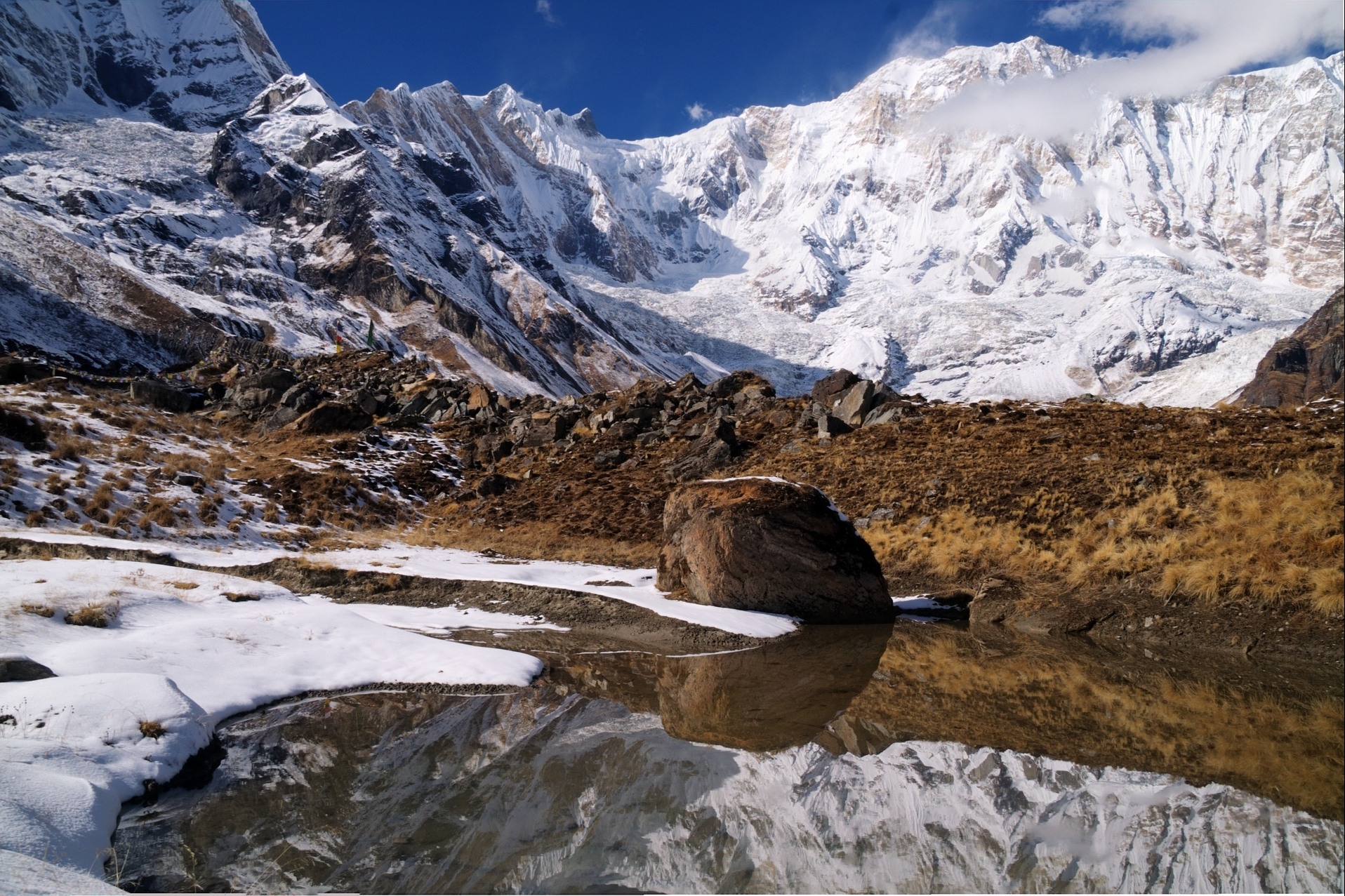
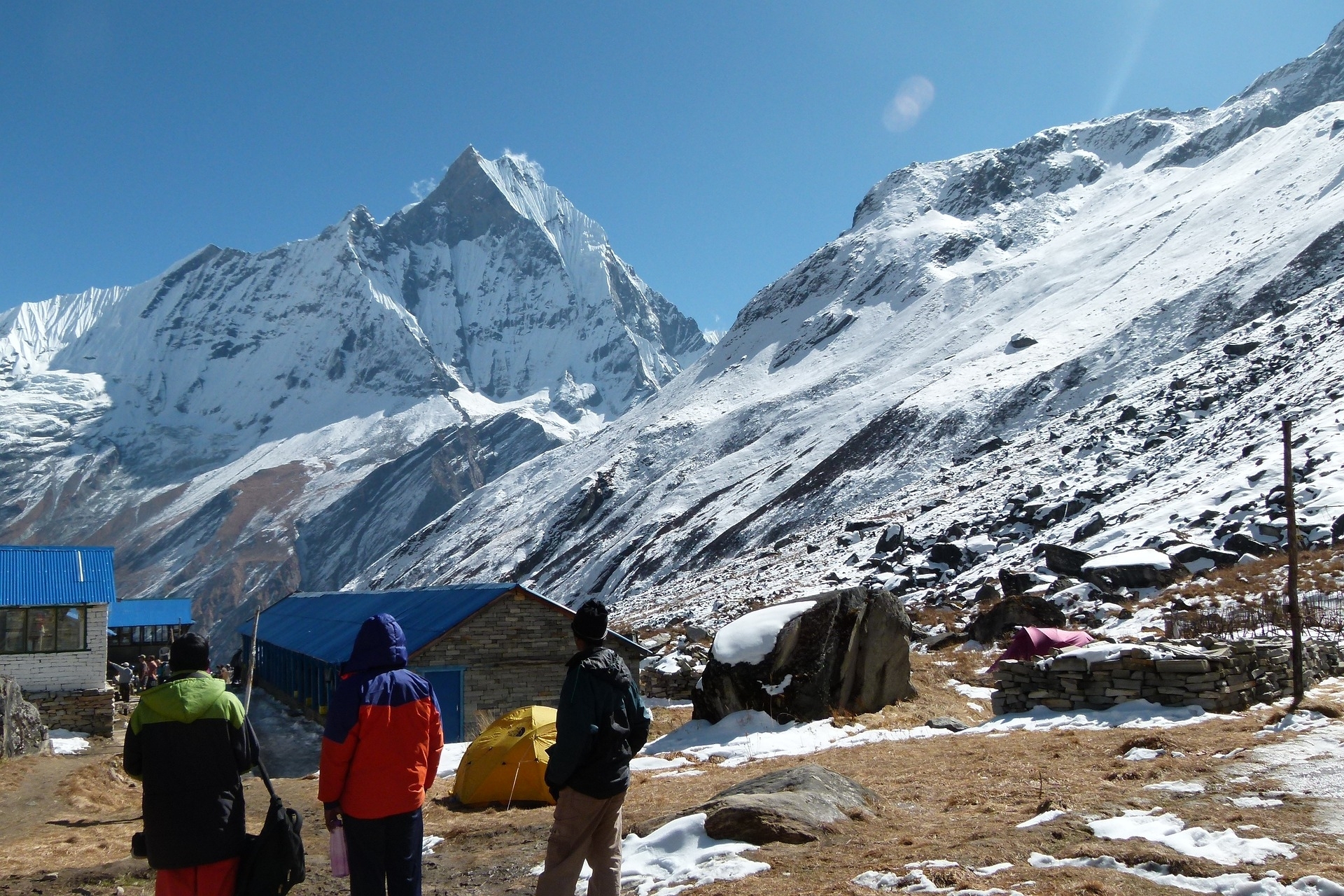
Lying in the north of Pokhara, Annapurna Base Camp (ABC) is one of the most stunning trekking destinations in the Himalayas. At an altitude of 4,130 meters (13,550 ft), the Annapurna Base Camp sits in a glacial basin surrounded by a ring of some of the highest peaks in Nepal — including Annapurna I (8,091m), Annapurna South, Machhapuchhre (Fishtail), Hiunchuli, Gangapurna, and Tent Peak. This high-altitude amphitheater is known as the Annapurna Sanctuary, revered not just for its breathtaking natural beauty but also for its spiritual significance. Local legends speak of this place being home to Annapurna and Gangapurna, Hindu goddesses of harvest and purity, making the journey a sacred experience for many.The trek to Annapurna Base Camp is a moderate adventure that combines cultural exploration with natural grandeur. Starting from the lush valleys and terraced farmland around Nayapul and Tikhedhunga, trekkers journey through dense rhododendron and oak forests, across picturesque Gurung and Magar villages, and alongside cascading waterfalls and fast-flowing rivers. As the altitude increases, the landscape transitions from sub-tropical vegetation to alpine meadows and finally to rocky terrain and glacial moraines.The journey offers a rare 360-degree panorama of Himalayan giants, and sunrise views from Poon Hill are nothing short of magical. Whether you're a seasoned trekker or a first-time visitor to Nepal, the ABC trek promises unforgettable moments. Plan Nepal Trek & Expedition (P.) Ltd. ensures that you experience all of this with professionalism, safety, and comfort. With experienced guides, tailored itineraries, and seamless logistics, we help turn your dream Himalayan adventure into reality.Best Time for Annapurna Base Camp TrekThe ideal time to undertake the Annapurna Base Camp trek largely depends on weather conditions and visibility, both of which vary significantly throughout the year. However, the two best seasons for this trek are spring (March to May) and autumn (September to November).During spring, nature comes alive with blooming rhododendrons, lush greenery, and vibrant trails. The temperatures are moderate, ranging between 10°C to 20°C in lower altitudes, and skies are generally clear, providing crystal-clear views of the Annapurna ranges. Wildlife is more active in this season, making it an excellent time for birdwatching and photography.Autumn, especially from mid-September to late November, is considered the peak trekking season in Nepal. After the monsoon clears the dust and pollution, the air becomes crisp and visibility improves dramatically. The climate is perfect for trekking – dry days, cool nights, and less chance of precipitation. This season also coincides with major Nepali festivals like Dashain and Tihar, offering trekkers a chance to witness vibrant local culture.Winter (December to February) can also be a good time for experienced trekkers looking to avoid crowds, but trails may be icy or snow-covered, especially above 3,000m. Monsoon season (June to August) is not recommended due to slippery trails, leeches, and frequent landslides. Therefore, planning your trek with Plan Nepal Trek & Expedition during spring or autumn ensures you get the best weather, panoramic views, and a memorable Himalayan experience.Annapurna Base Camp Trekking DifficultyThe Annapurna Base Camp Trek is considered a moderate-level trek, making it suitable for trekkers with a reasonable level of physical fitness, even without high-altitude experience. The trek usually spans 10 to 14 days, covering approximately 115 kilometers round trip. It’s not a technical climb but includes several steep ascents and descents, stone steps, and suspension bridge crossings.One of the main challenges is altitude gain. You start at around 800 meters in Pokhara and gradually ascend to 4,130 meters at ABC. Though the ascent is spread across several days, some trekkers may feel symptoms of Altitude Sickness (AMS), especially from Deurali upwards. To minimize risk, proper acclimatization, hydration, and pacing are crucial. The route allows for relatively gradual acclimatization compared to other Himalayan treks.Weather conditions also impact difficulty. Trails can be slippery and dangerous during the monsoon or winter seasons due to rain, snow, or landslides. In contrast, spring and autumn provide more favorable conditions, making the trek safer and more enjoyable.Plan Nepal Trek & Expedition ensures all trekkers are well-informed and supported. Our expert guides monitor your health, suggest safe walking paces, and provide alternative routes or rest days if needed. With the right preparation, even first-time trekkers can successfully complete this beautiful journey to the heart of the Annapurna Himalayas.Food and Accommodation for Annapurna Base Camp TrekThe Annapurna Base Camp trek offers a wide range of teahouse accommodations that provide simple yet cozy lodging with basic facilities. From the starting point at Nayapul to the base camp itself, you'll find small family-run lodges offering clean beds, warm blankets, and communal dining areas. Rooms are usually twin-sharing with shared bathrooms, but some lodges offer attached bathrooms at lower altitudes.Food on the trail is both nutritious and satisfying, with an emphasis on local Nepali cuisine. A typical menu includes dal bhat (rice with lentils and vegetables), momos (dumplings), noodles, fried rice, pasta, soups, and pancakes. Dal Bhat is especially popular as it offers a high-calorie intake for energy-intensive trekking. You’ll also find hot drinks like tea, coffee, and lemon-ginger honey tea, perfect for cold mornings and evenings.As you ascend, the variety of food options may decrease slightly, and prices increase due to the effort it takes to transport supplies to remote areas. Drinking water is available at most lodges, either boiled or filtered, though trekkers are advised to carry water purification tablets or filters to reduce plastic bottle waste.With Plan Nepal Trek & Expedition, we ensure that all lodges used on the trek meet standards of hygiene and comfort. Our guides assist in ordering meals, translating menus, and ensuring your dietary preferences or restrictions are met. Our goal is to keep you well-fed and well-rested, so you can focus entirely on enjoying the incredible scenery and culture that surrounds you.Why Choose Annapurna Base Camp TrekThe Annapurna Base Camp Trek is one of the most rewarding and diverse treks in the Himalayas, making it a favorite among trekkers worldwide. Unlike other high-altitude treks that demand technical expertise, the ABC trek combines accessibility with stunning natural beauty, making it suitable for both beginners and seasoned hikers. From lush forests and terraced fields to glaciers and high-altitude meadows, the trek showcases a wide range of landscapes within a short span of time.Another unique aspect is the cultural immersion it offers. Along the way, you'll pass through traditional Gurung and Magar villages, interact with friendly locals, and witness their way of life. You'll also get to bathe in natural hot springs at Jhinu Danda, experience a majestic sunrise at Poon Hill, and trek beneath some of the world's highest peaks. These experiences offer not just adventure, but deep spiritual and cultural fulfillment.Choosing Plan Nepal Trek & Expedition (P.) Ltd. means you're partnering with a highly experienced and locally rooted trekking agency. We provide professional guides, secure logistics, safety-first planning, and personalized trekking itineraries that suit your pace and interest. Our focus is on delivering a responsible, ethical, and immersive Himalayan adventure. Whether it’s your first time in Nepal or your tenth, we ensure that every trek is an unforgettable journey.

Also known as the Annapurna Sunrise Trek or Annapurna Panorama Trek, the Ghorepani Poon Hill Trek is one of the most accessible and rewarding treks in Nepal. Offered by Plan Nepal Trek & Expedition (P.) Ltd., this short yet spectacular journey is perfect for both novice trekkers and seasoned adventurers looking to explore the beauty of the Annapurna region. Beginning in the picturesque city of Pokhara, the trek gradually ascends through charming villages, lush rhododendron forests, terraced farmlands, and offers captivating views of some of the tallest peaks in the world.The highlight of the trek is the early morning hike to Poon Hill (3,210m), one of the most famous viewpoints in the Himalayas. As the sun rises over the mountains, trekkers are rewarded with breathtaking panoramic views of peaks like Dhaulagiri (8,167m), Annapurna I (8,091m), Annapurna South (7,219m), Machhapuchhre (6,998m), and Nilgiri (7,041m). This experience is both serene and awe-inspiring. The trail also passes through villages inhabited by the Gurung, Magar, and Thakali communities, giving trekkers a cultural immersion into the traditional Himalayan lifestyle. Trekking with Plan Nepal Trek & Expedition ensures that you have knowledgeable local guides, well-planned itineraries, and personalized service throughout your adventure.Best Time for Ghorepani Poon Hill TrekThe best time to explore on the Ghorepani Poon Hill Trek is during the spring (March to May) and autumn (September to November) seasons. During spring, the trail is ablaze with blooming rhododendrons and wildflowers, adding vibrant color to the already stunning landscape. The skies are generally clear, and temperatures are moderate, making it an ideal time for scenic photography and comfortable hiking.Autumn is perhaps the most popular season for this trek. After the monsoon rains clear the dust and pollution from the air, the Himalayan views become crisp and clear. Days are sunny and warm, while nights are cool but not overly cold, creating perfect conditions for trekking. Although winter (December to February) offers solitude and less crowded trails, colder temperatures and snow can pose challenges. The monsoon season (June to August) is best avoided due to slippery trails and limited visibility. With proper planning, Plan Nepal Trek & Expedition ensures that your trek is timed perfectly for optimal conditions.Trekking Difficulty of Ghorepani Poon HillThe Ghorepani Poon Hill Trek is classified as a moderate trek, making it accessible to a wide range of fitness levels, including beginners. It does not require technical climbing or previous high-altitude trekking experience. However, some parts of the trail, especially the steep stone staircases from Tikhedhunga to Ulleri, can be physically demanding. Daily walking ranges from 4 to 6 hours over varied terrain, including ascents, descents, and forested trails.The maximum elevation reached is Poon Hill at 3,210 meters, which is well below the altitude that typically causes serious acclimatization issues. That said, proper hydration, pacing, and rest are important. Trekkers with a reasonable level of fitness and determination can comfortably complete this trek. Plan Nepal Trek & Expedition offers experienced guides who assist you at every step, ensuring your pace is steady, your health is monitored, and your experience remains enjoyable and safe throughout.Food and Accommodation on the TrekDuring the Ghorepani Poon Hill Trek, accommodation is provided in local teahouses, which offer simple yet comfortable lodging. These family-run guesthouses provide private or shared rooms with basic bedding and shared bathrooms. Some lodges at lower altitudes may have hot showers, Wi-Fi, and even charging facilities (for a small fee). Rooms are generally clean, and the hospitality of the local hosts adds warmth to your stay.Meals served in teahouses are typically wholesome and freshly prepared. The menu commonly includes dal bhat (rice with lentils and vegetables), noodles, soups, pasta, potatoes, and momos. Breakfast usually consists of bread, eggs, porridge, and tea or coffee. Although the food is basic, it is nutritious and designed to sustain you through the day’s trek. Plan Nepal Trek & Expedition ensures that hygienic food and clean water are prioritized, and any dietary preferences are taken into account when booking accommodations and meals.Why Choose Ghorepani Poon Hill Trek?The Ghorepani Poon Hill Trek is ideal for those seeking a short yet fulfilling Himalayan trekking experience. Unlike more strenuous treks like Everest Base Camp or the Annapurna Circuit, this route offers stunning mountain views without the physical stress of high altitude. It provides a perfect balance of nature, culture, and adventure. The trek is also relatively short usually completed in about 5–6 days, which makes it ideal for those with limited time or first-time trekkers.Cultural exposure is another highlight, as you pass through Gurung and Magar villages, visit traditional homes, and observe mountain life firsthand. The rhododendron forests, especially in spring, add an enchanting dimension to the trail. Most importantly, the sunrise from Poon Hill—one of Nepal's most famous viewpoints—makes the entire journey more than worthwhile. With professional guidance and seamless logistics provided by Plan Nepal Trek & Expedition, your trek is not just a walk through the mountains but an experience of a lifetime.
The Manaslu Circuit Trek is one of Nepal’s most celebrated and pristine trekking experiences, offering a perfect blend of adventure, cultural discovery, and natural beauty. Managed by Plan Nepal Trek & Expedition, this 17-day journey takes you through one of the least explored yet most rewarding regions in the Himalayas. Unlike the more commercialized treks of Everest or Annapurna, Manaslu remains an off-the-beaten-path adventure that is rich in biodiversity, ancient Buddhist heritage, and breathtaking Himalayan vistas. The trek circles around Mt. Manaslu (8,163m), the world’s eighth highest peak, offering surreal panoramic views and a true sense of isolation and wilderness.The trail begins at Soti Khola after a scenic drive from Kathmandu and meanders through lush subtropical forests, deep river gorges, suspension bridges, traditional Gurung and Tibetan-influenced villages, and high alpine pastures. Along the way, trekkers witness ever-changing landscapes — from rice terraces and rhododendron forests to snowy ridgelines and glacier-fed rivers. Key highlights include crossing the dramatic Larkya La Pass (5,106m), visiting the serene Samagaon, and exploring the peaceful Pungyen Gompa, nestled beneath the Manaslu Glacier. Every village along the way reflects a unique blend of Nepalese and Tibetan culture, offering a spiritual and cultural immersion rarely found elsewhere.With a carefully crafted itinerary by Plan Nepal Trek & Expedition, trekkers not only enjoy the natural beauty but also receive professional guidance, safety, and logistical support throughout the journey. Whether you're a seasoned trekker or a first-time visitor to the Himalayas, the Manaslu Circuit Trek promises an enriching experience filled with challenge, tranquility, and discovery.Best Time for Manaslu Circuit TrekkingThe best time for trekking the Manaslu Circuit is during spring (March to May) and autumn (September to November). These seasons provide the most favorable weather, clearer skies, and stunning mountain visibility, which is essential when crossing high passes like Larkya La. Spring brings warmer temperatures and vibrant rhododendron blooms across the lower and mid-hills, making the trek especially scenic. It’s also a time when the trails are alive with birdlife and butterflies, adding charm to your journey.Autumn, however, is arguably the most popular season due to its stable weather and crisp air. The skies are usually crystal clear, offering unobstructed views of the Manaslu range and neighboring peaks. Additionally, the autumn season coincides with major Nepali festivals like Dashain and Tihar, providing a unique cultural touch to your trek. While monsoon (June to August) can make trails slippery and prone to landslides, and winter (December to February) brings extreme cold and snow to higher elevations, trekking during those months is only recommended for experienced adventurers.Booking your trek through Plan Nepal Trek & Expedition during the optimal seasons ensures not just safety and comfort, but also the opportunity to fully experience the awe-inspiring beauty and cultural richness of the Manaslu region. Our experienced guides monitor weather conditions and adapt routes accordingly, ensuring your journey is smooth, safe, and spectacular, no matter when you choose to go.Manaslu Circuit Trekking DifficultyThe Manaslu Circuit Trek is considered a moderately to highly challenging trek, best suited for those with a good level of physical fitness and some prior trekking experience. The trail spans approximately 177 kilometers (110 miles) and involves daily hikes of 6 to 8 hours on rugged and sometimes steep terrain. The most physically demanding part of the trek is crossing the Larkya La Pass (5,106m), a high mountain pass that requires stamina, acclimatization, and strong determination due to its steep ascent and unpredictable weather.Another challenge lies in the altitude gain. Starting from around 700 meters at Soti Khola, trekkers gradually ascend to over 5,000 meters, increasing the risk of altitude sickness if proper acclimatization is not observed. The itinerary offered by Plan Nepal Trek & Expedition includes multiple acclimatization days, especially in Samagaon and Samdo, to help trekkers adjust to the thinning air. Our guides are trained in altitude management and always carry emergency equipment such as oximeters and first aid kits.Despite its challenges, the Manaslu Circuit is a rewarding trek for those who are physically and mentally prepared. The trail is less crowded than others, offering a sense of solitude and connection with nature. With proper gear, planning, and the expert support of Plan Nepal Trek & Expedition, trekkers can confidently complete this journey and gain an incredible sense of achievement along with unforgettable memories of the Himalayas.Food and Accommodation for Manaslu Circuit TrekkingFood and accommodation during the Manaslu Circuit Trek have improved significantly in recent years, thanks to the growing popularity of the route. Plan Nepal Trek & Expedition ensures that trekkers have access to the best available tea houses and lodges throughout the journey. While the facilities may be more basic than those on the Everest or Annapurna trails, they are clean, comfortable, and offer a warm, welcoming atmosphere.Accommodation typically consists of local tea houses—small family-run lodges that provide a bed (usually twin sharing), blankets, and sometimes attached bathrooms in lower regions. At higher altitudes, rooms become more basic, and shared toilets are common. Hot showers are available in some places for an extra fee. Despite the simplicity, the hospitality of the local people makes the experience memorable.In terms of food, the trek offers a wide variety of traditional Nepali meals, such as the popular dal bhat (rice, lentils, and vegetables), as well as pasta, fried rice, momos, soup, pancakes, and Tibetan bread. Vegetarian options are plentiful, and Plan Nepal Trek ensures that meals are hygienically prepared and nutritionally adequate to sustain energy levels for long days of trekking. Trekkers are advised to drink plenty of fluids and stick to boiled or filtered water, which we provide regularly along the trail.Our company coordinates meal plans and accommodations in advance to guarantee availability, particularly during peak seasons. Whether you’re dining on a hearty meal in Namrung or sipping tea with locals in Samagaon, your comfort and nutrition are well taken care of throughout the trek.Why Choose Manaslu Circuit TrekkingChoosing the Manaslu Circuit Trek is choosing an authentic, enriching Himalayan adventure that blends nature, culture, and spiritual connection. Unlike more crowded routes such as Everest Base Camp or Annapurna Circuit, Manaslu remains a peaceful, off-the-beaten-path trek. Its diverse landscape—from subtropical valleys to glacial terrain—offers a microcosm of Nepal’s ecological zones. The cultural richness of the region, with its Tibetan-influenced villages, Buddhist monasteries, and ancient mani walls, makes the trek a profound journey into the heart of Himalayan heritage.Another compelling reason to choose this trek is the sheer dramatic beauty of Mt. Manaslu and surrounding peaks. The feeling of trekking in a remote wilderness, crossing one of the highest passes in Nepal, and witnessing life in isolated mountain villages is deeply rewarding. Whether you’re a photographer, nature enthusiast, or spiritual seeker, the Manaslu Circuit offers moments that resonate long after you return home.With Plan Nepal Trek & Expedition, your experience is elevated through professional planning, personalized service, and unwavering commitment to safety and sustainability. Our experienced guides, porters, and staff ensure that you are supported every step of the way. We handle permits, logistics, and acclimatization so you can focus entirely on your adventure. Choosing us means choosing a company with local knowledge, passion for trekking, and dedication to creating life-changing journeys in the Himalayas.

The Everest Panorama Trek, offered by Plan Nepal Trek & Expedition, is a carefully crafted journey designed for trekkers who wish to experience the beauty and grandeur of the Everest region without the physical demands of reaching Everest Base Camp. This trek is ideal for those seeking a short yet rewarding Himalayan adventure. Over the span of 10 days, travelers explore the heartland of the Sherpas, delving deep into the unique cultural and natural landscapes of the Khumbu region. The trek offers unforgettable vistas of towering snow-capped peaks, including Mt. Everest (8,848m), Lhotse, Ama Dablam, Thamserku, and other majestic Himalayan giants.This moderate-level trek includes visits to iconic locations such as Namche Bazaar, the vibrant Sherpa town and gateway to Everest; Tengboche, home to the revered Tengboche Monastery; and Khumjung, a picturesque village with deep cultural roots. The trek follows a well-established route, providing excellent acclimatization opportunities and allowing for a relaxed pace. Along the way, trekkers witness a rich blend of natural beauty and spiritual heritage, encountering Buddhist stupas, prayer flags, chortens, and traditional Sherpa villages. Whether you're a first-time visitor to Nepal or a returning traveler, the Everest Panorama Trek delivers a balanced experience of adventure, culture, and nature in just over a week. With Plan Nepal Trek & Expedition, you’ll be guided by experienced local professionals who ensure both safety and an authentic immersion into the Sherpa lifestyle.Best Time for Everest Panorama TrekkingThe best seasons for the Everest Panorama Trek are spring (March to May) and autumn (September to November). These periods offer stable weather conditions, clear skies, and moderate temperatures—ideal for trekking. In spring, the trails are decorated with blooming rhododendrons, and the air carries a fresh alpine scent. The visibility during this time is excellent, making it perfect for photographing the Himalayan peaks. You can expect daytime temperatures ranging from 10°C to 15°C at lower elevations, with cooler nights as you gain altitude.Autumn, particularly October and early November, is equally popular due to its post-monsoon clarity and dry conditions. The skies remain clear throughout the day, providing sweeping views of mountains like Ama Dablam, Everest, and Lhotse. The temperature is slightly cooler than spring but still comfortable for walking. While winter treks (December to February) are also possible, they require additional preparation for cold weather, and some lodges may be closed due to snow. Summer (June to August), dominated by the monsoon, is not recommended due to slippery trails, leeches, and cloud-obstructed views. Therefore, if you're looking for the optimal experience with the best scenery and manageable trekking conditions, spring and autumn are the ideal windows for embarking on the Everest Panorama Trek with Plan Nepal Trek & Expedition.Everest Panorama Trekking DifficultyThe Everest Panorama Trek is considered moderate in difficulty, making it suitable for trekkers with average fitness levels, including beginners who are reasonably active. Unlike the Everest Base Camp trek, this journey avoids the higher altitudes of 5,000 meters and instead reaches a maximum elevation of Tengboche (3,870m). The trekking days involve 4–6 hours of walking per day, often on well-maintained trails that include stone staircases, suspension bridges, and gradual ascents and descents. While the physical challenge is real, it is not extreme, and there are sufficient rest stops and acclimatization days built into the itinerary to support your adjustment to altitude.Acclimatization is a crucial aspect of high-altitude trekking, and this itinerary includes a full acclimatization day at Namche Bazaar, which significantly reduces the risk of altitude sickness. Despite the moderate grade, the trek does require mental preparedness and stamina, particularly during uphill climbs and long walking days. It's recommended that trekkers engage in some form of pre-trek physical conditioning, such as hiking, walking, or cardiovascular workouts, several weeks in advance. With expert guidance from Plan Nepal Trek & Expedition, trekkers are supported every step of the way, ensuring safety and comfort even for first-time Himalayan explorers.Food and Accommodation for Everest Panorama TrekThroughout the Everest Panorama Trek, you’ll stay in cozy teahouses or mountain lodges, which offer basic yet comfortable amenities. These teahouses provide private or twin-sharing rooms, usually with shared bathrooms, though some may offer private bathrooms for an extra fee. Blankets are provided, but it’s advisable to bring your own sleeping bag for added warmth. Most lodges are family-run, and staying in them gives trekkers a close-up experience of Sherpa hospitality and daily life.Meals on the trail are typically served in communal dining halls around a central stove. The food is nutritious, filling, and includes a variety of Nepali and international dishes. The staple Nepali meal, dal bhat (rice, lentils, and vegetables), is a common and satisfying choice, often served with refills. Other options include noodles, fried rice, pasta, pancakes, eggs, Tibetan bread, and soups. Beverages like tea, coffee, and hot lemon are widely available. Drinking water can be purchased at lodges or refilled with filtered or boiled water (or using purification tablets). With Plan Nepal Trek & Expedition, you can expect well-managed lodging arrangements and meals that cater to your dietary needs while ensuring hygiene and safety throughout the journey.Why Choose Everest Panorama TrekThe Everest Panorama Trek is perfect for those looking to experience the magic of the Everest region without undertaking an exhaustive expedition. It offers a rich tapestry of Himalayan culture, natural beauty, and mountain vistas within a relatively short time frame. For travelers with time constraints or those concerned about the challenges of higher altitudes, this trek is a fantastic alternative to the full Everest Base Camp trek. You’ll still witness iconic peaks like Everest, Ama Dablam, and Thamserku, and visit culturally significant places like Tengboche Monastery and Namche Bazaar, providing both scenic and spiritual rewards.Choosing Plan Nepal Trek & Expedition means opting for professionalism, safety, and authenticity. With years of experience in the trekking industry, the company prioritizes responsible tourism, local community engagement, and high-quality service. Their knowledgeable guides, many of whom are from the Everest region themselves, enrich your trek with insights into Sherpa culture, Buddhist traditions, and mountain ecology. Additionally, the company ensures that all necessary permits, flights, logistics, and accommodation are handled efficiently. For a safe, culturally immersive, and visually breathtaking adventure, the Everest Panorama Trek with Plan Nepal Trek & Expedition stands out as one of the best trekking experiences in Nepal.

The Langtang Gosaikunda Trek is an immaculate blend of natural beauty, cultural richness, adventure, and spiritual fulfillment. Nestled in the Langtang region of Nepal, this trek introduces you to the pristine wilderness of Langtang National Park, vibrant Tamang villages, lush forests, alpine meadows, and sacred lakes perched high in the Himalayas. From the thundering rivers of Trishuli to the silent stillness of Gosaikunda Lake, this journey is a remarkable way to witness the unspoiled charm of Nepal’s central Himalayas.The trail takes you through picturesque locations such as Syabrubesi, Lama Hotel, Langtang Valley, Kyanjin Gompa, and eventually leads to the sacred lakes of Gosaikunda. Along the way, trekkers are greeted with stunning panoramas of Langtang Lirung (7,227 m), Ganesh Himal, and even glimpses of Manaslu and Annapurna ranges on clear days. The trek also offers a cultural immersion into the Tibetan-influenced Tamang lifestyle and allows a visit to ancient monasteries, sacred chortens, and prayer flags fluttering in the mountain breeze.Best Time for Langtang Gosaikunda TrekkingThe ideal seasons for the Langtang Gosaikunda Trek are spring (March to May) and autumn (September to November). During these months, the skies are generally clear, the weather is dry and mild, and the mountain views are at their most spectacular. Spring also brings the blooming of rhododendrons, Nepal’s national flower, which fills the forests with vibrant colors, while autumn offers the crisp post-monsoon clarity with excellent visibility and stable conditions.Monsoon season, which extends from June to early September, is less favorable due to frequent rainfall, slippery trails, and the risk of landslides. Winter months (December to February) bring a different kind of beauty with snow-covered trails and frozen lakes, especially around Gosaikunda, but trekking at high altitudes can be more challenging due to extreme cold and snow. However, with proper gear and guidance, winter treks can be peaceful and less crowded.Langtang Gosaikunda Trekking DifficultyThe Langtang Gosaikunda Trek is considered a moderate to challenging trek, suitable for trekkers with a reasonable level of fitness and some hiking experience. The trail includes gradual ascents and descents through forested trails, high-altitude ridgelines, and narrow valleys. The highest point of the trek is the Lauribina Pass (4,610 meters), which can pose a challenge due to the altitude and steep terrain.Altitude sickness is a potential concern as you ascend above 3,000 meters, particularly when approaching Gosaikunda. Acclimatization days, such as the one at Kyanjin Gompa, help mitigate the risk. The terrain is not technically difficult, but the length of trekking days (5–7 hours) combined with elevation gain can be physically demanding. With proper preparation, a steady pace, and the guidance of experienced professionals from Plan Nepal Trek & Expedition, the journey is both achievable and rewarding.Food and Accommodation for Langtang Gosaikunda TrekAlong the Langtang Gosaikunda trail, trekkers can expect to stay in local teahouses or lodges, which offer basic but comfortable accommodation. Rooms are generally twin-sharing with shared toilets, and bedding such as blankets is provided, though it’s recommended to bring a sleeping bag for warmth. These teahouses are often family-run, offering a cozy, homely environment that lets you connect with local hospitality and culture.In terms of food, the trekking route provides a variety of options ranging from traditional Nepali dal bhat (rice, lentils, and vegetables) to international dishes like pasta, noodles, pancakes, and fried rice. While the menu choices are more limited in higher altitudes, meals are freshly prepared and nutritious. Plan Nepal Trek & Expedition ensures hygienic food, filtered or boiled drinking water, and special dietary accommodations upon request.Why Choose Langtang Gosaikunda Trek?The Langtang Gosaikunda Trek stands out for its fusion of natural beauty, cultural exploration, and spiritual significance. Unlike the more commercialized trails in the Everest or Annapurna regions, this trek offers a more off-the-beaten-path experience with fewer crowds and raw Himalayan charm. The highlight of the trek is the sacred Gosaikunda Lake, believed by Hindus to have been created by Lord Shiva, attracting both pilgrims and adventurers alike.Choosing this trek with Plan Nepal Trek & Expedition (P.) Ltd. guarantees a professionally organized adventure tailored to your needs, time, and budget. With a team of experienced guides, certified mountaineers, and support staff prioritizing your safety, comfort, and enjoyment, you can focus entirely on soaking in the magic of the Himalayas. The company’s local expertise and dedication to responsible tourism ensure that your trek is meaningful, sustainable, and memorable.

The Mardi Himal Base Camp Trek is a hidden gem in the Annapurna region of Nepal, offering a tranquil and less crowded alternative to the more popular treks like Annapurna Base Camp and Ghorepani Poon Hill. Operated by Plan Nepal Trek & Expedition, this trek is ideal for those looking to connect with nature, enjoy the peaceful ambiance of the Himalayas, and immerse in authentic Nepali culture. The trail takes you through serene forests, traditional Gurung and Magar villages, alpine pastures, and finally to the majestic Mardi Himal Base Camp, which offers panoramic views of Annapurna South, Hiunchuli, Machhapuchhre (Fishtail), and Mardi Himal itself.The trek starts from Kande, following scenic trails through rhododendron forests and up to the ridge lines with dramatic Himalayan views. It is especially favored by trekkers seeking solitude, natural beauty, and a moderately challenging adventure. With its short duration (10 days) and accessible trails, it is perfect for both beginners and seasoned trekkers who want to experience the grandeur of the Annapurna region without the heavy crowds.Things to Know Before TravelingAlways follow the itinerary and avoid venturing off on your own, especially in remote mountain areas. The trail is safe but can be confusing for first-time trekkers.Respect local culture by not taking photos of religious sites, military areas, or local people without permission. Some areas are considered sacred, and photography may be prohibited.In Nepalese culture, pointing at people or sacred places with your finger is considered impolite. Use your whole hand to gesture instead.Dress modestly and appropriately, especially when visiting temples or local villages. Avoid wearing revealing clothing to show respect for local customs.Research the weather before your trek and pack accordingly. The mountain climate is unpredictable, so layering is key. Don’t forget a good rain jacket, thermal wear, and proper hiking boots.Best Time for Mardi Himal Base Camp TrekkingThe best times to undertake the Mardi Himal Base Camp Trek are spring (March to May) and autumn (September to November). During these months, the weather is generally stable, the skies are clear, and the mountain views are at their best.Spring also brings blooming rhododendron forests, adding a splash of color to the trail. Autumn, on the other hand, offers crisp air and post-monsoon clarity, which enhances visibility and overall trekking conditions. These seasons are ideal for photography, comfort, and safety.Mardi Himal Base Camp Trekking DifficultyThe Mardi Himal trek is considered moderate in difficulty. It doesn't involve technical climbing, but it does require a good level of fitness. You’ll be hiking at high altitudes (up to 4,500 meters), which can be physically demanding.Most trekking days involve 4 to 7 hours of walking over uneven terrain, steep ascents, and descents. Acclimatization is crucial, so proper pacing and hydration are important. It’s a good trek for those who are physically active and looking for a rewarding challenge without extreme exposure.Food and Accommodation for Mardi Himal Base Camp TrekAlong the Mardi Himal trail, you’ll stay in local teahouses or guesthouses, which offer basic but comfortable accommodation. Rooms are usually twin-sharing with shared bathrooms. Hot showers, charging stations, and Wi-Fi may be available at lower altitudes, but services get more limited as you go higher.Meals typically include traditional dal bhat (lentil soup with rice), noodles, soups, pasta, pancakes, and eggs. Breakfasts are hearty, and you’ll always find tea, coffee, and hot lemon drinks available. The food is simple but nutritious – just what a trekker needs!Why Choose Mardi Himal Base Camp TrekLess Crowded Trail: Unlike the busier treks in the Annapurna region, Mardi Himal remains quiet and off-the-beaten-path, allowing for a more intimate experience with nature.Incredible Mountain Views: You get jaw-dropping close-up views of Machhapuchhre, Mardi Himal, Annapurna South, and Hiunchuli – often without sharing the view with large crowds.Rich Cultural Experience: Trek through authentic Gurung and Magar villages and learn about local traditions and lifestyles.Perfect for a Short Trek: The trek is ideal for those with limited time but who still want to experience the grandeur of the Himalayas.Professional Service: With Plan Nepal Trek & Expedition, you'll be guided by experienced professionals who prioritize safety, comfort, and a memorable trekking experience.
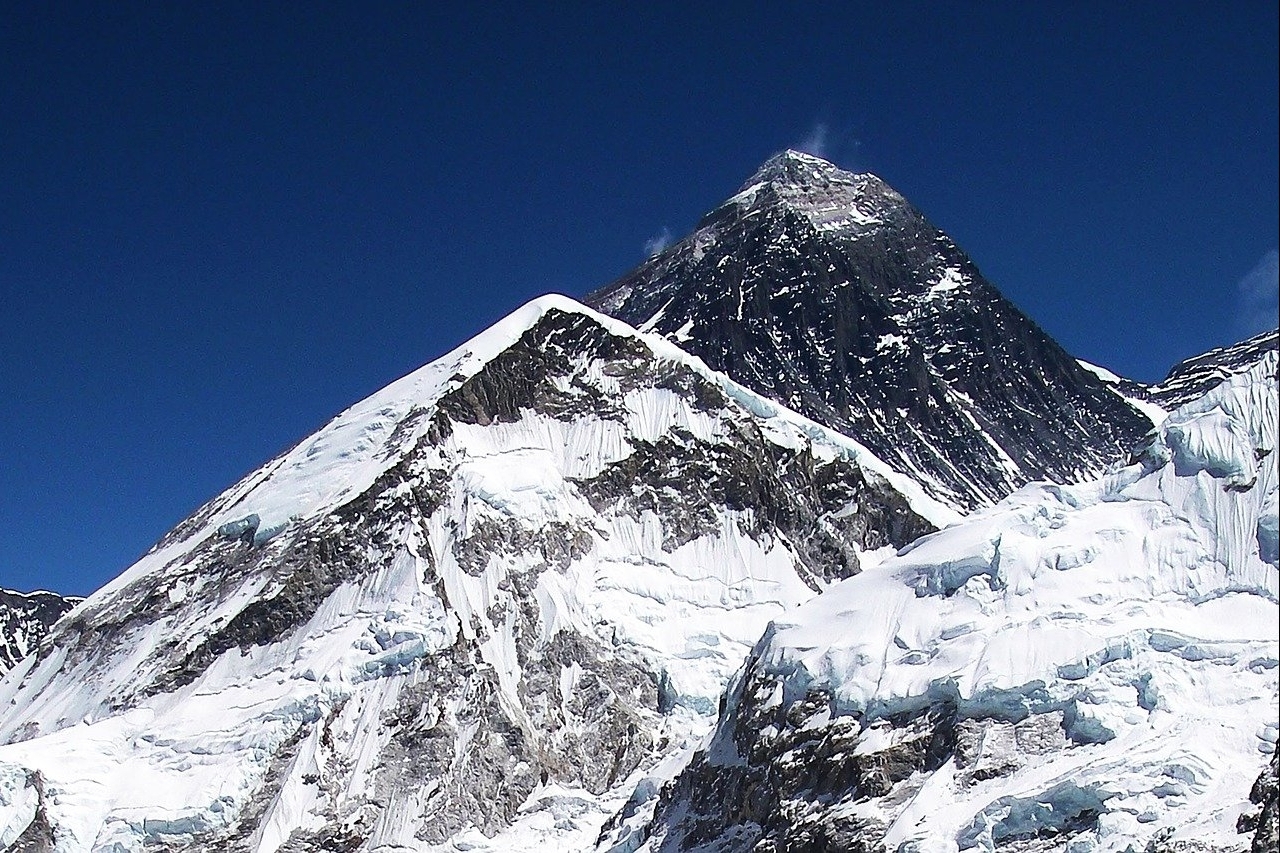
The Everest Three Pass Trek is one of the most exhilarating and challenging trekking adventures in the Khumbu region of Nepal. This trek takes you through the three major high passes of the Everest region: Renjo-La (5,300m), Cho-La (5,420m), and Kongma-La (5,545m). These passes connect the major valleys of the Everest area and offer trekkers breathtaking panoramic views of some of the world’s highest peaks, including Mount Everest, Lhotse, Makalu, Cho Oyu, and the iconic Ama Dablam. The journey is not only about the peaks but also the unique Himalayan landscapes, glaciers, alpine meadows, and traditional Sherpa villages. The opportunity to climb Gokyo Ri and Kala Pattar adds to the adventure, offering one of the best vantage points to witness the grandeur of the Himalayas.This trek is ideal for those seeking a strenuous and rewarding experience beyond the classic Everest Base Camp route. Although it demands physical endurance and a high level of fitness, the trek does not require technical climbing skills. Along the way, trekkers immerse themselves in Sherpa culture and hospitality, witnessing ancient Buddhist monasteries and experiencing the warm traditions of the mountain people. With Plan Nepal Trek & Expedition, you are assured expert guidance, meticulous planning, and support to make this demanding trek a life-changing experience.Best Time for Everest Three Pass TrekThe best time to undertake the Everest Three Pass Trek is during the pre-monsoon (spring) and post-monsoon (autumn) seasons. From late March to May, spring brings pleasant temperatures, blooming rhododendrons, and clear skies, making it a favorite time for trekkers. The weather is generally stable, and the mountain views are spectacular. Similarly, the autumn season, from late September to early December, offers crisp, cool air and clear visibility, allowing trekkers to enjoy stunning panoramic views of the Himalayan peaks.Winter (December to February) can be extremely cold, especially when crossing high passes, and heavy snowfall can pose risks, while the monsoon season (June to early September) brings heavy rain, cloud cover, and slippery trails, making trekking difficult and less enjoyable. Therefore, the spring and autumn seasons are highly recommended to ensure safety, comfort, and the best visual experience during this trek.Everest Three Pass Trekking DifficultyThe Everest Three Pass Trek is classified as a strenuous and challenging trek due to its high altitude, rugged terrain, and long trekking days. The three passes – Renjo-La, Cho-La, and Kongma-La – all rise above 5,000 meters, requiring trekkers to acclimatize properly to avoid altitude sickness. The trail involves steep ascents and descents, glacier crossings, and sometimes icy patches, demanding good physical fitness, stamina, and mental toughness.While no technical climbing skills are necessary, trekkers must be comfortable walking on uneven and sometimes slippery terrain. Daily trekking hours range from 4 to 9 hours depending on the section. The trek is suitable for experienced trekkers or those who have prior high-altitude trekking experience, but with proper preparation and guidance from Plan Nepal Trek & Expedition, even moderately fit adventurers can safely complete the journey.Food and Accommodation for Everest Three Pass TrekFood along the Everest Three Pass Trek mainly consists of traditional Nepali dishes such as dal bhat (rice and lentils), momos (dumplings), noodles, soups, and various vegetarian and non-vegetarian options available at teahouses and lodges. The meals are hearty and designed to provide the necessary energy for long trekking days. Tea and hot drinks are readily available to help keep warm in the cold mountain environment.Accommodation on this trek is typically in basic tea houses or lodges located in villages along the route. These lodges provide simple rooms with beds, blankets, and shared or private toilets, though facilities become more basic as you ascend higher. Plan Nepal Trek & Expedition ensures that trekkers stay in clean, safe, and comfortable lodges, and offers support to meet any special dietary needs or preferences throughout the journey.Why Choose Everest Three Pass Trek with Plan Nepal Trek & Expedition?Choosing Plan Nepal Trek & Expedition for your Everest Three Pass Trek ensures a professionally organized adventure led by experienced guides who prioritize your safety, comfort, and success. With years of expertise in the Everest region, the company offers personalized itineraries, knowledgeable Sherpa guides, and well-trained support staff who are familiar with the terrain and weather conditions.Plan Nepal Trek & Expedition also emphasizes responsible tourism, supporting local communities and preserving the fragile environment. Their commitment to quality service, including comprehensive trekking permits, secure transportation, and quality equipment, makes the journey smooth and stress-free. Whether you are a seasoned trekker or attempting the trek for the first time, Plan Nepal Trek & Expedition stands out as a trusted partner for making your Everest Three Pass Trek an unforgettable and rewarding Himalayan experience.
The Annapurna Circuit Trek is regarded as one of the world’s most iconic and diverse trekking adventures, offering a dramatic contrast in geography, climate, and culture. From the lush lowlands and terraced rice fields of the Marshyangdi Valley to the arid, high-altitude landscapes near Thorong La Pass (5,416m), the trail encompasses a complete Himalayan experience. You'll pass through subtropical forests, alpine meadows, and barren plateaus that resemble Tibetan landscapes, all while enjoying stunning views of peaks like Annapurna I, Dhaulagiri, Machhapuchhre, and Manaslu.The route also takes you through culturally rich villages inhabited by Gurungs, Thakalis, Tibetans, and Manangis, allowing trekkers to experience a range of languages, customs, and traditions. One of the sacred highlights of this trek is Muktinath Temple, a significant spiritual site for both Hindus and Buddhists, symbolizing religious harmony. This remarkable blend of nature, spirituality, and culture is what makes the Annapurna Circuit Trek a truly transformative journey. For the team at Plan Nepal Trek & Expedition (P.) Ltd, facilitating such a life-changing adventure is both an honor and a passion.Best Time for Annapurna Circuit TrekThe most favorable time to undertake the Annapurna Circuit Trek is during the spring (March to May) and autumn (September to November) seasons. During these months, the weather is stable, skies are usually clear, and mountain views are breathtakingly crisp. Spring also brings rhododendron blooms, enhancing the beauty of the trail, while autumn offers pleasant trekking temperatures and post-monsoon greenery.Monsoon season (June to early September) is generally avoided due to heavy rain, muddy trails, and increased risk of landslides, especially in lower altitudes. Winter (December to February), although dry, brings snow and extreme cold at higher elevations, particularly around Thorong La Pass. However, for those seeking solitude and dramatic snow-covered landscapes, winter treks can be equally rewarding—with the proper gear and preparation.Annapurna Circuit Trekking DifficultyThe Annapurna Circuit Trek is considered moderate to challenging and is suitable for both experienced trekkers and physically fit first-timers. The trek spans 160 to 230 kilometers depending on the route and side trips taken. One of the biggest physical challenges is the altitude gain, particularly the ascent to Thorong La Pass (5,416m), which can cause altitude sickness if not properly acclimatized.Daily trekking hours range from 5 to 8 hours, with variations depending on terrain and weather. The trail includes a mix of steep climbs, descents, rocky paths, and suspension bridges. Despite its challenges, the trek is manageable with a good level of fitness, and Plan Nepal Trek & Expedition ensures a steady pace and well-timed acclimatization days to support your safety and comfort.Food and Accommodation for Annapurna Circuit TrekAccommodation along the Annapurna Circuit consists of teahouses and lodges, which provide basic yet cozy lodging with twin-share rooms, warm blankets, and shared bathrooms. As you ascend, facilities become more rustic, but the welcoming hospitality remains a constant. Plan Nepal Trek & Expedition partners with reliable teahouses to ensure trekkers receive clean rooms and hygienic meals throughout the journey.Food on the trail is nutritious and diverse, with menus offering local Nepali dishes like dal bhat (lentil soup with rice), as well as Tibetan bread, noodles, momos, and even pasta and pancakes. Warm drinks such as tea, coffee, and herbal infusions are available at every stop. The availability of fresh fruits and safe drinking water varies with altitude, but your guide from Plan Nepal will ensure your dietary needs are met with care.Why Choose Annapurna Circuit TrekChoosing the Annapurna Circuit means choosing a classic Himalayan adventure that delivers awe-inspiring landscapes, rich cultural encounters, and the challenge of trekking through one of the world’s most varied terrains. The route is dotted with waterfalls, deep gorges, ancient monasteries, and sacred temples. It not only fulfills a trekker’s dream of seeing majestic peaks up close but also provides insight into rural Himalayan life that is both humble and deeply spiritual.With Plan Nepal Trek & Expedition, you’re not just joining a trek—you’re embracing a journey planned with attention to detail, safety, and authentic local connection. Our experienced guides, porter support, and personalized services ensure that every step of your Annapurna adventure is meaningful and memorable. Whether it's your first time in the Himalayas or you're a seasoned trekker, Annapurna Circuit with us offers the kind of experience that stays with you forever.

Tsum Valley Trek, offered by Plan Nepal Trek & Expedition, takes you on a journey through one of Nepal’s most remote and untouched Himalayan regions. Nestled in the mid-north-west Himalayas of the Gorkha area, the Tsum Valley is a hidden gem also called the “Valley of Happiness.” This trek ventures into secluded, rarely visited villages that have preserved their ancient Tibetan culture, surrounded by majestic peaks of the Manaslu and Ganesh Himal mountain ranges. Unlike the more popular trekking routes in Nepal, Tsum Valley offers an authentic glimpse into the serene wilderness and spiritual lifestyle of its inhabitants, making it a truly special and immersive adventure.The name “Tsum” originates from the ancient Tibetan word “Beyul Kyamlung,” meaning the “Valley of Great Happiness.” This mystical place holds great spiritual significance with many sacred monasteries and pilgrimage sites scattered throughout the region. Trekking here is not only a physical challenge but a chance to experience the rich traditions and warm hospitality of the local people, who are believed to be direct descendants of Tibetan immigrants. The trek offers stunning panoramic views of snow-capped mountains and pristine landscapes, making every step a rewarding experience.Best Time for Tsum Valley TrekThe ideal seasons to embark on the Tsum Valley Trek are during the autumn months from late September to November and the spring months from March to May. These periods offer the most stable weather with clear skies and moderate temperatures, perfect for trekking and mountain views. During autumn, the rhododendron forests and alpine meadows burst into vibrant colors, enhancing the natural beauty of the trail. Springtime, on the other hand, is famous for its blooming wildflowers and lush green landscapes.Winter months from December to February can be extremely cold, especially at higher altitudes, and heavy snowfall might block the trails. Similarly, the monsoon season from June to early September is not recommended as frequent rain can cause landslides, slippery trails, and limited visibility of the mountains. Planning your trek with Plan Nepal Trek & Expedition during the prime seasons ensures a safe, enjoyable, and visually spectacular experience.Tsum Valley Trekking DifficultyThe Tsum Valley Trek is categorized as a moderate to challenging trek. While it does not involve technical climbing or extreme altitudes, trekkers should be prepared for long walking days on rugged trails, some steep ascents and descents, and an average altitude of 3,000 to 4,500 meters. The terrain varies from lush forests to rocky mountain paths, requiring good physical fitness and stamina.Trekking through remote and isolated villages means limited access to modern conveniences, so mental endurance and a spirit of adventure are essential. However, the trek does not require advanced mountaineering skills, making it accessible to enthusiastic hikers who have some prior trekking experience. Plan Nepal Trek & Expedition provides expert guides and support staff to assist with acclimatization and ensure your safety throughout the journey.Food and Accommodation for Tsum Valley TrekFood and accommodation options during the Tsum Valley Trek are simple but comfortable, reflecting the rustic charm of this remote Himalayan region. Most nights are spent in traditional teahouses or lodges, which provide basic amenities such as clean bedding and hot showers where available. The hospitality of the local people adds warmth to the trek, as many lodges are family-run and offer delicious home-cooked meals.The menu mainly consists of Tibetan and Nepali dishes such as dal bhat (rice with lentils), momos (dumplings), noodles, soups, and fresh vegetables. Drinking water is usually available, but it’s recommended to purify or drink bottled water to avoid any stomach issues. As the region is remote, it is wise to bring some snacks and energy bars. Plan Nepal Trek & Expedition ensures trekkers have access to safe and nutritious food and comfortable lodging, making your stay pleasant after long days on the trail.Why Choose Tsum Valley Trek with Plan Nepal Trek & Expedition?Choosing Plan Nepal Trek & Expedition for your Tsum Valley adventure guarantees a well-organized, authentic, and safe trekking experience. With years of expertise in Nepal’s trekking industry, the company is committed to providing personalized service, knowledgeable guides, and logistical support to ensure a smooth journey from Kathmandu to the hidden valleys of Tsum. They prioritize responsible tourism by respecting local culture and supporting sustainable travel practices that benefit the communities.Their detailed itinerary balances adventure and cultural exploration, allowing trekkers to immerse themselves in the unique environment without feeling rushed. The company also emphasizes safety, offering thorough briefings, acclimatization days, and reliable equipment. For anyone looking to discover a lesser-known part of the Himalayas with the backing of an experienced and trustworthy operator, Plan Nepal Trek & Expedition is the perfect choice.

Everest Panorama Trek is a fantastic opportunity to explore the majestic Everest region, offering a perfect blend of breathtaking mountain vistas and rich Sherpa culture. This trek is designed for those who want to experience the highlights of the Everest region without committing to the longer, more demanding Everest Base Camp trek. Over 11 days, trekkers will journey through iconic Sherpa villages such as Namche Bazaar, Tengboche, Pangboche, and Dingboche, soaking in the vibrant local traditions and stunning Himalayan landscapes.The trek presents unparalleled panoramic views of some of the highest peaks on Earth, including Mt. Everest, Lhotse, Thamserku, and Ama Dablam. The route follows a balanced itinerary with ample time for acclimatization, cultural exploration, and enjoying the pristine natural beauty. It’s an ideal choice for trekkers with limited time but high aspirations, combining adventure, culture, and nature in one compact package. Plan Nepal Trek & Expedition ensures every detail is taken care of to make your experience memorable and safe.Best Time for Everest Panorama Trek 11 DaysThe optimal times to undertake the Everest Panorama Trek are during the spring (March to May) and autumn (late September to November) seasons. Spring offers blooming rhododendrons and lush greenery, with clear skies providing spectacular mountain views. It is also the season when the region bursts with vibrant cultural festivals, adding a rich dimension to the trekking experience.Autumn is equally popular due to its stable weather, cool temperatures, and excellent visibility. This season is perfect for those aiming to capture the crystal-clear vistas of Everest and surrounding peaks. Winter trekking (December to February) is possible but much colder, with some lodges closed and potential snowfall making trails more challenging. Summer monsoon (June to August) is generally avoided due to heavy rains, slippery trails, and limited mountain visibility.Everest Panorama Trek 11 Days DifficultyThe Everest Panorama Trek is classified as moderate in difficulty. The trek involves gradual ascents and descents, with the highest altitude reached at Tengboche (3867m). While the daily trekking hours range from 3 to 6 hours, the trail is well-established and offers plenty of rest stops, making it accessible to trekkers with a reasonable level of fitness.Acclimatization days are built into the itinerary, which reduces the risk of altitude sickness. The trek does involve some steep climbs, particularly between Namche Bazaar and Tengboche, but overall, it’s suitable for beginners who have prepared physically. Experienced trekkers will also enjoy the cultural richness and varied landscapes without the extreme physical demands of higher altitude routes.Food and Accommodation for Everest Panorama Trek 11 DaysAlong the trek, accommodation is mainly in cozy teahouses and lodges that provide basic yet comfortable facilities. Most lodges offer warm rooms with shared bathrooms, and some higher-end lodges include en-suite options. Staying in teahouses also allows trekkers to engage with local Sherpa families and experience their hospitality firsthand.Food during the trek includes a wide variety of Nepalese and Western dishes such as dal bhat (lentil soup with rice), momos (dumplings), noodles, soups, and pasta. Fresh vegetables, eggs, and meats are available in larger villages like Namche Bazaar. Hydration is crucial at altitude, so purified water, tea, and hot drinks are readily available. Plan Nepal Trek & Expedition ensures that meals and lodging meet quality standards to keep trekkers energized and comfortable throughout the journey.Why Choose Everest Panorama Trek 11 Days with Plan Nepal Trek & Expedition?Choosing the Everest Panorama Trek with Plan Nepal Trek & Expedition means entrusting your adventure to experienced professionals who prioritize safety, comfort, and cultural immersion. The company offers expert local guides, well-planned itineraries, and personalized support throughout the trek. Their deep knowledge of the Everest region ensures that trekkers not only enjoy stunning scenery but also gain meaningful insights into Sherpa culture and traditions.Plan Nepal Trek & Expedition is committed to sustainable tourism and responsible travel, partnering with local communities and preserving the natural environment. Whether you are a first-time trekker or a seasoned adventurer, their attentive service, quality logistics, and passion for the Himalayas make this trek an unforgettable experience. With them, you get more than just a trek — you get a holistic journey into the heart of the Everest region.

The Gokyo-Chola Pass with Everest Base Camp Trek, also known as the Everest Circuit Trek, is one of the most stunning and adventurous trekking routes in the Khumbu region of Nepal. Organized by Plan Nepal Trek & Expedition, this 20-day journey takes you into the very heart of the Himalayas, blending spectacular natural beauty with deep-rooted Sherpa culture. The trek begins in the vibrant capital city of Kathmandu and ascends through lush forests, picturesque villages, high alpine valleys, and sacred glacial lakes, eventually reaching the base of the world’s highest mountain—Mount Everest (8,848m).What sets this trek apart is the route that passes through the serene Gokyo Valley, over the challenging Cho La Pass (5,420m), and culminates at the awe-inspiring Everest Base Camp (5,364m) and Kala Patthar (5,545m) for some of the best panoramic views in the Himalayas. The Gokyo Lakes—a series of glacial blue lakes—are one of the major highlights, along with breathtaking views of four 8,000-meter giants: Everest, Lhotse, Makalu, and Cho Oyu. The route forms a semi-circular loop that offers diverse scenery, from pristine lakes to towering peaks and ancient monasteries.Best Time for Gokyo-Chola Pass with EBC TrekThe best seasons for the Gokyo-Chola Pass with EBC Trek are spring (March to May) and autumn (late September to November). During spring, the trails come alive with blooming rhododendrons, and the weather is typically dry and stable, offering clear mountain views. The temperatures at higher elevations are cold but manageable, and this is also a great time to enjoy the cultural festivals that often take place in the lower valleys.Autumn is considered the most ideal time for this trek due to its post-monsoon clarity. Skies are generally crystal clear, offering the best visibility of the Himalayan giants, and the weather is cool and pleasant for trekking. While it is possible to trek in winter (December to February), be prepared for extremely cold temperatures and potential snow blockages at high passes like Cho La. Monsoon (June to August) is not recommended due to heavy rains, leeches, and landslides in the lower regions.Gokyo-Chola Pass with EBC Trekking DifficultyThe Gokyo-Chola Pass with EBC Trek is classified as a challenging and strenuous trek, suitable for experienced trekkers or those with good physical conditioning and mental resilience. One of the most demanding aspects of this trek is crossing Cho La Pass at an altitude of 5,420 meters, which often involves navigating icy terrain, steep ascents, and potentially snowy or slippery conditions. Proper acclimatization is crucial to avoid altitude sickness as you spend extended time above 4,000 meters.The trek covers a variety of terrain, from rocky trails and glacial moraines to suspension bridges and forest paths. While technical climbing skills are not necessary, previous trekking experience at high altitudes is highly recommended. With multiple days of 5-8 hour hikes, trekkers must be in good physical shape and prepared for sudden changes in weather. Plan Nepal Trek & Expedition ensures professional guides and acclimatization days are built into the itinerary to maximize safety and enjoyment.Food and Accommodation for Gokyo-Chola Pass with EBC TrekDuring the trek, food and accommodation are provided in local teahouses—traditional lodges run by Sherpa families. These teahouses offer a unique opportunity to connect with the local culture while enjoying warm hospitality. Meals are typically hearty and designed to provide the necessary energy for trekking, with a standard menu that includes dal bhat (rice and lentils), noodles, soups, fried rice, pasta, momos, and Tibetan bread.Accommodation is basic but comfortable, usually consisting of twin-sharing rooms with communal dining areas. Higher up in the mountains, especially beyond Namche and towards Gokyo or Gorakshep, facilities become more limited, and rooms may not be heated. Bathrooms are often shared, and hot showers may come at an additional cost. Plan Nepal Trek & Expedition ensures quality teahouses are chosen based on hygiene, comfort, and service, helping you to refuel and rest well each day.Why Choose Gokyo-Chola Pass with EBC TrekChoosing the Gokyo-Chola Pass with EBC Trek is choosing a journey that offers the best of the Everest region—the serenity of Gokyo Lakes, the thrill of crossing Cho La Pass, and the iconic destination of Everest Base Camp. Unlike the standard EBC trek, this route provides a circular trail, avoiding the same path on the way up and down, thus giving you a more enriched and less crowded experience. The views from Gokyo Ri and Cho La are often considered more spectacular than from the EBC trail alone, making this a must-do trek for photography lovers and mountain enthusiasts.With Plan Nepal Trek & Expedition, you're not just signing up for a trek—you’re joining a carefully curated Himalayan adventure with a team of seasoned guides, porters, and travel experts. The company is known for its personalized service, safety-first approach, and deep knowledge of the Khumbu region. Whether it’s managing logistics, ensuring proper acclimatization, or sharing stories of the local Sherpa culture, Plan Nepal Trek & Expedition elevates your trekking experience beyond expectations.

The Annapurna Circuit with Tilicho Lake Trek is one of the most captivating and challenging treks in Nepal, offering a once-in-a-lifetime journey through some of the world’s most dramatic landscapes. Organized by Plan Nepal Trek & Expedition, this trek beautifully combines the cultural richness of the Himalayan region with an adventurous trail that loops around the Annapurna Massif. The trek traverses subtropical forests, alpine meadows, and high-altitude passes, reaching as high as Thorong La Pass at 5,416 meters, the trek's highest point. You'll follow the Marsyangdi River valley before crossing into the Kali Gandaki valley, which forms the world’s deepest gorge between Dhaulagiri and Annapurna I.A special highlight of this route is the detour to Tilicho Lake, the highest lake in the world at 4,919 meters. This isolated, sapphire-blue glacial lake is surrounded by towering peaks and is both spiritually and visually captivating. The trail also provides a cultural deep dive into the lives of the Gurung, Thakali, and Tibetan-influenced communities, showcasing authentic village life, Buddhist monasteries, prayer flags, and Himalayan hospitality. This itinerary spans 22 days and is designed for trekkers who want both the thrill of a high-altitude trek and a cultural adventure that goes beyond the ordinary.Best Time for Annapurna Circuit with Tilicho Lake TrekThe ideal seasons for the Annapurna Circuit with Tilicho Lake Trek are spring (March to May) and autumn (mid-September to November). During spring, rhododendron forests bloom in vivid colors, temperatures are moderate, and visibility is excellent for panoramic mountain views. This season also allows for easier passage through high altitudes as the snow begins to melt, particularly around Tilicho Lake and Thorong La Pass.In the autumn season, the skies are generally clear with crisp air, offering stunning visibility of the Himalayas. This post-monsoon period means the trails are dry and ideal for trekking. Winter (December–February) is possible for experienced trekkers but expect heavy snow and freezing conditions. Monsoon (June–August) is least recommended due to landslides, leeches, and slippery trails.Annapurna Circuit with Tilicho Lake Trekking DifficultyThe Annapurna Circuit with Tilicho Lake Trek is categorized as a moderate to strenuous trek, primarily due to the high-altitude terrain and the length of the itinerary. The inclusion of Tilicho Lake makes the route slightly more demanding than the standard Annapurna Circuit. Trekkers should be prepared to walk 6–8 hours per day on rugged trails, with significant ascents and descents.Acute Mountain Sickness (AMS) is a serious consideration due to the high altitude. Fortunately, the itinerary includes a proper acclimatization day at Manang, which helps the body adjust to the elevation. A good level of physical fitness and mental resilience is important. Prior multi-day trekking experience is helpful, but not mandatory if you train beforehand and go with an experienced guide from Plan Nepal Trek & Expedition.Food and Accommodation During the TrekThroughout the trek, accommodation is provided in local teahouses, which offer basic yet comfortable lodging. Teahouses typically include a twin bed, mattress, pillow, and blanket. While heating may not be available in rooms, dining areas often have a wood stove or heater to warm you up during dinner. At higher elevations, facilities can be more basic, but the hospitality remains warm and welcoming.As for food, trekkers will be served nutritious and hearty meals three times a day. Typical meals include dal bhat (rice, lentils, vegetables), noodles, pasta, Tibetan bread, eggs, soups, and porridge. Hot beverages like tea, coffee, and ginger lemon honey tea are widely available. As you ascend higher, food variety may reduce slightly due to limited transportation, but Plan Nepal Trek & Expedition ensures quality food and safe water for every trekker.Why Choose Annapurna Circuit with Tilicho Lake TrekThis trek stands out because it goes beyond the popular Annapurna Circuit by incorporating the majestic Tilicho Lake, making it a true adventure for nature lovers and cultural explorers alike. It offers a 360-degree Himalayan experience—ranging from lush valleys and terraced farmlands to barren alpine deserts and snowy passes. The route showcases a vast array of flora and fauna and lets you walk through traditional villages where you can interact with ethnic groups like Gurungs, Thakalis, and Manangis, gaining firsthand insight into Himalayan traditions and lifestyle.Moreover, trekking with Plan Nepal Trek & Expedition ensures your safety, comfort, and local insight. With well-designed itineraries, experienced guides, porter support, and attention to acclimatization and health, the company is dedicated to delivering a memorable and safe Himalayan experience. Whether you’re a solo traveler or part of a group, this trek is a perfect blend of physical challenge and spiritual reward.Things to Know Before TravelingBefore exploring on this trek, it’s essential to respect local customs and etiquette. Photography is restricted around military and religious sites, and always ask permission before taking photos of locals. Pointing at people or religious objects with your finger is considered impolite; instead, use your whole hand or nod.Dress modestly, especially in villages and monasteries. Avoid wearing revealing clothes, and be mindful of local traditions. Trekking in the Himalayas also means unpredictable weather, so pack according to the season, including layers, rain gear, sunscreen, and altitude medication. Importantly, stick to the itinerary and instructions provided by Plan Nepal Trek & Expedition, especially when dealing with altitude and route changes for safety.

With the appearance and impression of the whole topography hand-carved by Mother Nature with the minutest details of stunning beauty, lies the Himalayan nation of Nepal. Towering over the world, Nepal offers a mystical blend of spirituality and natural grandeur. From the subtropical plains of the Terai to the icy peaks of the Himalayas, the country astonishes travelers with its incredible biodiversity, cultural heritage, and geographical variation. Nepal is a dream destination for adventurers, spiritual seekers, nature lovers, and culture enthusiasts alike. Whether you are looking for an easy hike, a rigorous trek, or a culturally immersive experience, Nepal's trails provide something for every kind of traveler.Among the many remarkable trekking journeys Nepal offers, the Jomsom Muktinath Trek curated by Plan Nepal Trek & Expedition stands out as one of the most spiritually profound and scenically majestic adventures. This moderate trek offers breathtaking Himalayan panoramas, culturally rich villages, sacred pilgrimage sites, and the warmth of local hospitality. Our experienced team of guides, porters, and staff make sure your journey is safe, memorable, and infused with local insights and kindness. The trek begins with a scenic drive to Pokhara, continues with a short flight to Jomsom, and winds through charming villages, ancient monasteries, and the iconic Muktinath Temple before circling back through Marpha, Tatopani, and Ghorepani.Best Time for Jomsom Muktinath TrekThe ideal seasons for the Jomsom Muktinath Trek are spring (March to May) and autumn (September to November). During these months, the weather remains stable, the skies clear, and the trails dry—perfect for trekking. Spring brings vibrant rhododendron blooms across the hillsides, while autumn offers crisp air and stunning mountain views, especially of the Dhaulagiri and Annapurna ranges. Temperatures are also comfortable during these seasons, making long trekking days enjoyable.Winter (December to February) is also possible, especially because Jomsom and Muktinath lie in the rain-shadow region of the Himalayas, receiving much less precipitation. However, temperatures can be freezing, and higher passes may be snow-covered. The monsoon (June to August) is generally not recommended due to heavy rainfall in lower regions and flight delays, although Jomsom itself remains comparatively dry.Jomsom Muktinath Trekking DifficultyThe Jomsom Muktinath trek is considered moderate in difficulty, making it suitable for most trekkers, including beginners with decent fitness levels. The trail does not demand technical climbing skills but does involve walking for 5–7 hours a day at moderate altitudes, reaching a maximum elevation of 3,800 meters at Muktinath. Altitude sickness is less of a concern on this route compared to others like Everest or Annapurna Circuit, but proper acclimatization is still crucial.The trails are well-maintained, and most sections are gentle in gradient. That said, there are some steep ascents and descents—particularly when trekking from Muktinath to Marpha and from Tatopani to Ghorepani. Walking poles are recommended for knee support. With proper pacing, rest, and hydration, the trek is manageable for children, families, and older travelers with good health.Food and Accommodation for Jomsom Muktinath TrekThroughout the Jomsom Muktinath Trek, you will stay in comfortable teahouses and lodges, offering basic yet clean accommodations with warm hospitality. Rooms usually consist of twin-sharing beds, blankets, and shared bathrooms. In larger villages like Jomsom, Marpha, and Tatopani, you may find lodges with attached bathrooms and hot showers, while smaller settlements may offer more basic setups.The meals provided during the trek are wholesome and filling. Most teahouses offer a wide selection of Nepali, Tibetan, and basic Western cuisine. Dal Bhat (rice with lentil soup and vegetables) is the staple meal and provides sustained energy. You can also enjoy Tibetan bread, pasta, momo (dumplings), fried rice, eggs, and soups. Herbal teas, masala tea, and instant coffee are widely available. Plan Nepal Trek & Expedition ensures you have access to clean, safe meals and will accommodate dietary restrictions wherever possible.Why Choose Jomsom Muktinath TrekThe Jomsom Muktinath Trek is a unique blend of natural splendor, cultural immersion, and spiritual significance. It provides an unforgettable journey through the trans-Himalayan landscape of Mustang, known for its desert-like terrain, ancient monasteries, and Tibetan-influenced culture. Trekkers witness the diverse beauty of Nepal—from snow-capped peaks to windswept valleys and apple orchards to sacred temples—all within one itinerary.What makes this trek even more special is the Muktinath Temple, revered by both Hindus and Buddhists. Pilgrims believe that a visit here brings salvation and spiritual cleansing. Along the way, the vibrant culture of Thakali villages like Marpha and Kagbeni adds depth to the experience. The hot springs of Tatopani and the panoramic sunrise at Poon Hill are the perfect ways to unwind before concluding your journey.Choosing Plan Nepal Trek & Expedition for this trek ensures expert guidance, customized care, and genuine local insight. Our experienced staff members not only lead you through the trail but enrich your journey with stories, cultural facts, and the warmest hospitality Nepal has to offer. We’re more than just a trekking company—we’re your travel companions, committed to making your Himalayan journey a once-in-a-lifetime memory.

The Langtang Valley Trek is a breathtaking journey through one of Nepal’s most pristine and culturally rich Himalayan regions. Nestled just north of Kathmandu, the Langtang region offers trekkers stunning views of towering snow-capped peaks, dense bamboo and rhododendron forests, and quaint traditional Tamang villages. This trek is renowned for its diverse natural beauty—from lush river valleys and alpine meadows to serene glacial landscapes. Along the trail, trekkers have the unique opportunity to experience the vibrant Tibetan Buddhist culture, especially around Kyanjin Gompa, a peaceful monastery that serves as a spiritual hub for the region.Plan Nepal Trek & Expedition designs this trek to provide an authentic experience, blending adventure with cultural immersion. The journey takes you through several remote settlements, giving insight into the simple lives of the local people and their traditions. Whether you're hiking through the dense forests or resting in mountain lodges, the Langtang Valley Trek delivers a deeply rewarding experience, perfect for nature lovers and culture enthusiasts alike.Best Time for Langtang Valley TrekThe Langtang Valley Trek is accessible year-round, but the best times to embark on this adventure are during the pre-monsoon (spring) and post-monsoon (autumn) seasons. Spring, from March to May, is especially magical as the forests burst into bloom with vibrant rhododendrons, orchids, and other wildflowers, creating a colorful spectacle against the backdrop of snow-clad mountains. The weather is generally mild and clear, offering spectacular panoramic views of peaks like Langtang Lirung and Ganesh Himal.Autumn, spanning from late September to November, is another ideal period for trekking in Langtang. After the monsoon rains, the air is crisp and clear, making for some of the best visibility of the Himalayan range. The days are warm, and nights can be chilly, but the weather is stable, reducing the risk of rainfall and landslides. Both these seasons provide excellent trekking conditions, though Plan Nepal Trek & Expedition is prepared to offer expert guidance and support for travelers venturing in the winter and monsoon seasons, ensuring a safe and enjoyable trek regardless of timing.Langtang Valley Trekking DifficultyThe Langtang Valley Trek is considered a moderate-level trek, suitable for individuals with a basic level of fitness and some previous trekking experience. The route features a gradual ascent through forested trails and river valleys, with occasional steep climbs, especially as you approach higher altitudes such as Kyanjin Gompa (3870m). Altitude sickness is a consideration here, but the itinerary designed by Plan Nepal Trek & Expedition includes adequate acclimatization days to help trekkers adjust to the elevation safely.The trekking duration, ranging from 7 to 10 days, allows for a steady pace without overexertion. Trails are generally well-marked and maintained, but hikers should be prepared for variable terrain that can include rocky paths, wooden bridges, and sometimes slippery sections during rainy periods. With the support of experienced guides and porters from Plan Nepal Trek & Expedition, trekkers can navigate the route comfortably and focus on enjoying the stunning scenery and cultural richness of the Langtang region.Food and Accommodation for Langtang Valley TrekDuring the Langtang Valley Trek, food and accommodation are centered around traditional teahouses and lodges found in the villages and settlements along the trail. These teahouses offer basic but cozy rooms with shared or private bathrooms, providing a comfortable resting place after long days of trekking. The facilities are clean and welcoming, with warm fireplaces and common areas where trekkers can socialize and share stories.The food options mainly consist of Nepalese and Tibetan dishes such as dal bhat (lentil soup with rice), momo (dumplings), noodles, and soups. Plan Nepal Trek & Expedition ensures trekkers have access to nutritious meals to maintain energy levels throughout the trek, and special dietary needs can usually be accommodated upon request. Additionally, tea, coffee, and hot chocolate are readily available to keep you warm during chilly evenings. Staying in teahouses also offers the chance to interact with local families and learn more about their customs and way of life.Why Choose Langtang Valley Trek with Plan Nepal Trek & Expedition?Choosing Plan Nepal Trek & Expedition for your Langtang Valley Trek means opting for a company with deep local knowledge, professionalism, and a commitment to responsible tourism. With years of experience guiding trekkers through the Langtang region, Plan Nepal Trek & Expedition provides personalized itineraries tailored to your fitness level and interests. Their expert guides are not only skilled in navigation and safety but also passionate storytellers who enrich your journey with insights into the local culture, flora, and fauna.Safety and comfort are top priorities for Plan Nepal Trek & Expedition. They provide quality trekking gear, ensure proper acclimatization, and arrange reliable accommodation and food throughout the trek. Furthermore, they engage in sustainable tourism practices, supporting local communities and minimizing environmental impact. Whether you are a first-time trekker or a seasoned adventurer, Plan Nepal Trek & Expedition offers a seamless, enriching, and unforgettable trekking experience in the stunning Langtang Valley.

The Helambu Trek is one of Nepal’s most enchanting and culturally rich trekking routes, offering a perfect blend of natural beauty, traditional Sherpa culture, and stunning Himalayan panoramas. Situated just north of Kathmandu, this trek presents a relatively moderate adventure that spans about a week, making it ideal for trekkers who want to experience authentic Himalayan village life without spending weeks on the trail. Throughout the journey, you’ll traverse lush pine forests, terraced fields, and peaceful hamlets filled with warm and welcoming locals who maintain their unique Buddhist traditions.From your arrival in Kathmandu, the gateway to the Himalayas, you will begin your adventure with a scenic drive to Sundarijal, where the trek officially begins. The trail leads you through dense forests and rhododendron-filled hillsides, revealing breathtaking views of the Jugal Himal range and other surrounding peaks. Each village along the way offers a glimpse into local lifestyles, age-old monasteries, and vibrant festivals if timed right. The Helambu region is known for its distinct cultural identity, which, combined with the serene environment and moderate trekking difficulty, makes it a highly recommended choice for both novice and seasoned trekkers.Best Time for Helambu TrekThe ideal time to explore on the Helambu Trek is during the spring (March to May) and autumn (September to November) seasons. Springtime brings the hills to life with blooming rhododendrons and colorful wildflowers, making the landscape spectacularly vibrant. The weather during these months is typically stable, with clear skies offering unobstructed views of the snow-capped peaks and pleasant daytime temperatures.Autumn is another excellent period for trekking in Helambu due to the post-monsoon clarity, which gives you stunning panoramic vistas of the mountains. The skies tend to be crisp and blue, and the air is fresh, enhancing your trekking experience. While winter months can be cold and snowy, making some paths difficult, and the summer months bring heavy monsoon rains, spring and autumn provide the perfect balance of comfortable weather, natural beauty, and cultural activities.Helambu Trekking DifficultyThe Helambu Trek is considered a moderate-level trek, suitable for beginners with a reasonable level of fitness as well as for more experienced trekkers who want a less strenuous alternative to the high-altitude Himalayan routes. The daily trekking hours generally range from 4 to 6 hours, with gradual ascents and descents rather than steep climbs, allowing you to enjoy the scenery without excessive strain.Although the highest point you reach is around 3,500 meters, altitude sickness is less common on this trek compared to higher routes like Everest or Annapurna. However, it’s always essential to listen to your body and acclimatize properly. The well-marked trails and availability of comfortable lodges and teahouses along the route make it accessible and convenient for travelers of varying experience levels. Overall, it’s a great introduction to Himalayan trekking while still offering rewarding views and cultural encounters.Food and Accommodation for Helambu TrekOne of the highlights of the Helambu Trek is the opportunity to stay in traditional teahouses and lodges that provide comfortable, basic accommodation with a warm, welcoming atmosphere. Most teahouses offer shared rooms with simple bedding, and in some locations, private rooms may be available. The hospitality of the local people adds a special touch to your evenings, giving you insight into their daily lives.Meals along the trek typically consist of nutritious and hearty options such as dal bhat (lentil soup with rice), noodles, soups, and momos (Nepali dumplings). Vegetarian and non-vegetarian dishes are widely available, and you can also enjoy locally brewed butter tea and fresh mountain water. Eating well is crucial on the trail, and the diverse menus help maintain your energy levels. Although amenities are basic compared to city standards, the combination of good food, warm hospitality, and cozy accommodation creates a comforting environment after a day of trekking.Why Choose the Helambu Trek?Choosing the Helambu Trek means immersing yourself in one of Nepal’s best-kept secrets—an area that combines cultural richness with natural beauty, yet remains less crowded than other popular trekking routes. If you are looking for a trek that offers a meaningful cultural experience alongside magnificent mountain views without the physical intensity or high altitude of longer treks, Helambu is an excellent choice.Moreover, its proximity to Kathmandu means less time spent on roads and more time trekking and exploring. The trail offers a perfect balance of nature, culture, and tranquility, making it suitable for solo trekkers, families, and small groups alike. The moderate difficulty, welcoming communities, and scenic beauty promise a rewarding adventure that lingers in your memory long after you return home.About Plan Nepal Trek & ExpeditionPlan Nepal Trek & Expedition is a trusted and experienced trekking company based in Kathmandu, Nepal, dedicated to providing personalized, safe, and unforgettable trekking experiences. With a deep understanding of Nepal’s diverse trekking routes, culture, and environment, Plan Nepal Trek & Expedition specializes in tailor-made itineraries like the Helambu Trek to ensure clients enjoy every moment of their Himalayan adventure.Their professional guides and support staff are knowledgeable, friendly, and committed to sustainable tourism practices, helping you connect deeply with the local culture while minimizing your environmental impact. From your arrival in Kathmandu to your final departure, Plan Nepal Trek & Expedition offers comprehensive support, including permits, accommodations, meals, and transportation, making your trekking journey smooth and hassle-free.

The Tamang Heritage Trail Trek is one of Nepal’s most culturally immersive and scenic treks, situated close to Kathmandu in the Rasuwa district, bordering Tibet. This trek is ideal for those seeking a short yet enriching journey, combining moderate physical activity with deep cultural exploration. The trail weaves through traditional Tamang villages, verdant mid-hill forests, and dramatic mountain backdrops including views of Langtang Lirung, Ganesh Himal, and distant Tibetan peaks.What makes this trail unique is its strong focus on the Tamang people—a community with deep Tibetan roots. Their warm hospitality, vibrant cultural practices, and traditional lifestyle offer trekkers a rare opportunity to connect with a living culture. From Buddhist monasteries and ancient mani walls to carved wooden houses and local hot springs, every day of this trek offers a sensory and spiritual journey. With Plan Nepal Trek & Expedition, all logistics, guides, and accommodations are expertly managed, so you can immerse fully in the experience.Best Time for Tamang Heritage Trail TrekThe ideal time for the Tamang Heritage Trail Trek is during the spring (March to May) and autumn (September to November) seasons. During these months, the skies are clear, the air is crisp, and the visibility of the mountains is at its best. Spring also brings blooming rhododendron forests and lush green landscapes, while autumn showcases colorful harvests and festival celebrations in the villages.While winter (December to February) is still feasible, trekkers should be prepared for colder temperatures, especially at night. Summer (June to August), being the monsoon season, is generally not recommended due to heavy rainfalls, slippery trails, and limited mountain views. However, for trekkers seeking solitude and an off-season adventure, even monsoon can be managed with proper gear and planning through a professional team like Plan Nepal Trek & Expedition.Tamang Heritage Trail Trekking DifficultyThe Tamang Heritage Trail is considered a moderate trek, suitable for both beginners and experienced trekkers. The altitudes are relatively manageable, peaking below 3,000 meters, which greatly reduces the risk of altitude sickness. Daily trekking hours range from 5 to 7 hours, with well-defined trails and a balanced mix of ascents and descents.While it doesn’t demand advanced mountaineering skills, a good level of physical fitness will enhance the experience, especially for continuous days of walking. The trail is a great introduction to trekking in Nepal and perfect for those who want a rewarding journey without the intense physical challenge of high-altitude treks like Everest Base Camp or Annapurna Circuit.Food and Accommodation for Tamang Heritage Trail TrekThe trek follows a well-established teahouse route, where local lodges provide basic but comfortable accommodations. Rooms usually have twin beds with clean bedding, and some lodges offer attached bathrooms, while others provide shared facilities. Staying in these teahouses also offers a closer connection to the local Tamang community and a taste of authentic rural life.Meals during the trek are freshly prepared and typically include traditional Nepali cuisine like dal bhat (lentil soup with rice and vegetables), as well as Tibetan bread, noodles, dumplings (momos), and soups. Hot beverages like ginger tea, milk tea, and coffee are commonly available. Plan Nepal Trek & Expedition ensures that all food served is hygienic, nourishing, and suitable for trekking energy needs. If you have dietary restrictions, they are happy to make the necessary arrangements.Why Choose Tamang Heritage Trail TrekChoosing the Tamang Heritage Trail Trek offers more than just scenic beauty—it provides a cultural awakening. Unlike the more crowded trails in Nepal, this route allows for quiet reflection, authentic interactions, and the chance to contribute directly to local communities through homestays and locally-owned teahouses. The blend of natural landscapes and Tibetan-influenced culture creates a memorable and enriching experience.With Plan Nepal Trek & Expedition, your journey becomes seamless and stress-free. Our team of experienced guides, porters, and logistic experts are committed to making your adventure safe, educational, and enjoyable. We focus on sustainable tourism, working closely with local communities to ensure that your visit has a positive impact. Whether you’re a first-time trekker or a returning adventurer, this trek is a gateway to discovering a lesser-known yet deeply meaningful side of Nepal.

The New Annapurna Circuit Trek after the road construction presents a refined and well-paced trekking experience, focusing on the most scenic, cultural, and alpine segments of the traditional route. With road access shortening some earlier walking stages, this updated itinerary designed by Plan Nepal Trek & Expedition (P.) Ltd. allows trekkers to skip the dusty road sections and jump straight into the breathtaking highland landscapes of the Annapurna region.Your journey begins in Chame, taking you through charming villages like Pisang and Ngawal, culminating in the picturesque Manang Village—a cultural and acclimatization hub surrounded by towering Himalayan giants. From there, the trail ascends to Yak Kharka and Thorong Phedi, leading up to the awe-inspiring Thorong La Pass (5,416m)—one of the world’s highest and most dramatic trekking passes. After conquering the pass, you descend into the sacred village of Muktinath, revered by Hindus and Buddhists alike, before continuing through the lower Mustang and lush rhododendron forests toward Tatopani, Ghorepani, and finally the iconic sunrise viewpoint at Poon Hill.This 17-day adventure offers an unforgettable blend of Himalayan majesty, cultural heritage, and biodiversity—from arid valleys to alpine meadows and terraced farmlands. By tailoring the route post-road-construction, Plan Nepal Trek ensures you spend more time immersed in natural beauty and cultural wonder, rather than on busy jeep trails.Experience RequiredThe New Annapurna Circuit Trek is considered a moderate to challenging trek, best suited for individuals with a good level of physical fitness and a passion for walking in the mountains. On average, you will be trekking 5–7 hours per day with a light daypack, though some days, particularly the Thorong La Pass day, can extend longer and be more strenuous due to high altitude and steep ascents/descents.Trekking at elevations above 3,500 meters requires more physical effort than walking at lower altitudes. That said, no technical climbing or mountaineering skills are needed. Having previous multi-day hiking experience is certainly helpful, but even first-time trekkers can complete the circuit with proper preparation, determination, and positive mindset. Regular cardio training, hiking, or jogging in the weeks leading up to the trek can significantly boost endurance and strength.It’s vital for participants with pre-existing medical conditions—especially related to the heart, lungs, or blood pressure—to consult a physician before embarking on this journey. Also, Plan Nepal Trek & Expedition should be informed of any medical issues or medications in advance to help you manage altitude-related risks like AMS (Acute Mountain Sickness).Best Time for New Annapurna Circuit Trek After the RoadThe best times to undertake this trek are during spring (March to May) and autumn (September to November). These months offer clear skies, moderate temperatures, and the best visibility of the Annapurna and Dhaulagiri mountain ranges. In spring, the trail is alive with blooming rhododendrons, while autumn provides crisp air, post-monsoon freshness, and colorful landscapes.Winter (December–February) brings heavy snow to the high passes like Thorong La, often making them impassable without technical gear. Similarly, the monsoon season (June–August) brings slippery trails and reduced visibility due to rain and cloud cover, although the Mustang region sees less rainfall and can be trekked with caution.Plan your trek in spring or autumn for the safest and most visually rewarding experience.Food & AccommodationThroughout the trek, Plan Nepal Trek & Expedition ensures clean, comfortable, and culturally rich tea house accommodation. These local lodges provide basic but welcoming rooms with twin beds, warm blankets, and communal dining areas heated by wood stoves in the colder regions. In lower villages like Ghandruk or Ghorepani, accommodations are more modern, sometimes even with private bathrooms and hot showers.Meals along the trail are nutritious, filling, and locally sourced. You'll enjoy traditional Nepali dishes such as dal bhat (lentils, rice, and vegetables), Tibetan bread, momos (dumplings), noodles, fried rice, and soups. Most tea houses also offer Western options like pancakes, porridge, and pasta. Hydration is key at altitude, so purified or boiled drinking water is always available, and we recommend carrying reusable bottles with filtration systems.All food and lodging logistics are professionally arranged by Plan Nepal Trek, ensuring a safe and culturally immersive experience.New Annapurna Circuit Trek After the Road DifficultyThough rated as moderate to strenuous, the New Annapurna Circuit Trek is achievable by anyone with good physical condition and mental perseverance. The main challenge lies in the altitude gain and the long ascent to Thorong La Pass. Starting from around 2,700m in Chame, trekkers steadily climb to over 5,400m at the pass, making proper acclimatization days (like in Manang) essential.The terrain varies from gentle forest trails to rocky ascents and high mountain paths. The longest and most taxing day is crossing Thorong La, which starts pre-dawn to avoid high winds and takes 7–9 hours depending on fitness. Descents can be equally demanding on knees and joints, so using trekking poles is recommended.Despite the physical demands, this trek offers progressive altitude gain, rest days, and full support from local guides and porters, all of which make it a safe and rewarding challenge for most hikers.Why Choose the New Annapurna Circuit Trek After the Road?This new route design eliminates long, dusty jeep tracks and focuses on the most authentic and scenic stretches of the Annapurna Circuit. It’s perfect for those who want the essence of the classic trek with fewer logistics, more comfort, and optimized acclimatization. From crossing high passes to soaking in hot springs, visiting temples, and watching Himalayan sunrises, this trek encapsulates the full range of Nepal’s trekking appeal.Moreover, with Plan Nepal Trek & Expedition (P.) Ltd., you trek with a trusted, local team with decades of experience organizing high-altitude treks. Their personal attention, safety-first approach, and commitment to sustainable tourism ensure that your journey is not only memorable but meaningful. They offer professional guides, support staff, quality accommodation, and all the logistical care needed for a smooth Himalayan adventure.Whether it’s your first trek in Nepal or your fifth, this reimagined Annapurna Circuit delivers unparalleled beauty, cultural richness, and personal achievement—without the compromises of the modern road.
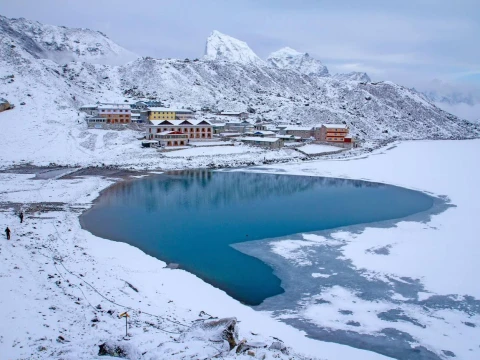
The Gokyo Lake Trek, organized by Plan Nepal Trek & Expedition, is one of the most stunning high-altitude treks in the Everest region. This trek takes adventurers through the scenic Khumbu Valley, offering breathtaking views of some of the world’s highest peaks, including Mount Everest (8,848 m), Cho Oyu (8,188 m), and Makalu (8,481 m). The highlight of the trek is visiting the series of turquoise glacial lakes at Gokyo, with the Gokyo Ri summit (5,357 m) providing panoramic vistas of the surrounding Himalayan giants. Unlike the traditional Everest Base Camp route, the Gokyo trek is quieter and less crowded, offering trekkers a more serene and intimate experience of the Himalayas.The trek generally starts with a short flight from Kathmandu to Lukla, followed by a gradual ascent through picturesque villages like Phakding, Namche Bazaar, and Dole. Along the way, trekkers experience Sherpa culture, traditional monasteries, and suspension bridges across roaring rivers. One of the most memorable experiences is the morning hike to the 4th Gokyo Lake, where trekkers witness the brilliant reflection of towering peaks on crystal-clear waters. This trek also emphasizes acclimatization, especially in Namche Bazaar and at higher altitudes, ensuring a safer experience for travelers.Stunning views of Everest, Cho Oyu, and MakaluA series of glacial lakes, including the famous 4th Gokyo LakeCultural interaction in Sherpa villagesTrekking through less crowded, serene trailsBest Season for Gokyo Lake TrekThe Gokyo Lake Trek can be done throughout the year, but the best seasons are spring (March to May) and autumn (September to November). During these months, the weather is generally clear, offering unobstructed views of the Himalayan peaks and pleasant temperatures for trekking. Spring is especially beautiful due to blooming rhododendrons along the trail, while autumn offers crisp skies and a less dusty environment, ideal for photography.Winter (December to February) is less recommended due to heavy snowfall, cold temperatures, and the risk of trail blockages. Summer (June to August) coincides with the monsoon, making the trek challenging due to wet, slippery trails and limited visibility from clouds and rainfall. Plan Nepal Trek & Expedition recommends travelers choose spring or autumn for a safe, comfortable, and visually spectacular trekking experience.Key Points:Spring (March-May): Blooming rhododendrons, moderate temperaturesAutumn (Sept-Nov): Clear skies, ideal visibilityWinter (Dec-Feb): Cold, snowy, less recommendedMonsoon (Jun-Aug): Wet, slippery trails, higher riskGokyo Lake Trek Difficulty and TransportationThe Gokyo Lake Trek is considered moderate to challenging, mainly due to high altitudes and some steep trails. Trekkers should have a reasonable level of fitness, as daily trekking ranges from 4 to 7 hours, with gradual elevation gains. The most strenuous days include the hike to Gokyo Ri (5,357 m) and crossing from Machhermo to Gokyo while managing altitude adjustments. Proper acclimatization days, like the one in Namche Bazaar, are crucial to prevent altitude sickness.Transportation for the trek begins with a short flight from Kathmandu to Lukla, the gateway to the Everest region. From Lukla, trekking is the primary mode of transportation, though yaks or porters can be hired to carry heavy loads. The return journey follows the same trail to Lukla, from where travelers fly back to Kathmandu. Plan Nepal Trek & Expedition provides all necessary arrangements, including domestic flights, ensuring a smooth and comfortable start and end to the trek.Key Points:Trek Duration: 12 daysDaily Trekking: 4–7 hours on averageHighest Point: Gokyo Ri (5,357 m)Transportation: Flight Kathmandu-Lukla, trekking, return flightFood and Accommodation for Gokyo Lake TrekDuring the trek, food and accommodation are available in tea houses along the route. These guesthouses offer basic yet comfortable lodging with shared or private rooms. The meals are generally Nepali and Tibetan cuisine, such as dal bhat (rice and lentils), noodles, soups, and momos (dumplings). While options are limited at higher altitudes, the food is nutritious and sufficient to sustain energy levels for trekking.Plan Nepal Trek & Expedition ensures trekkers are accommodated in reputable tea houses that maintain hygiene and safety standards. Hot showers and charging facilities are available in some lodges, though not always at higher elevations. Trekkers are advised to carry snacks, water purification tablets, and any personal dietary essentials, especially when trekking to remote areas like Machhermo and Gokyo.Key Points:Tea house accommodations along the trailNepali and Tibetan cuisine, including dal bhat and momosHot showers are available at select lodgesCarry personal essentials for remote areasGokyo Lake Trek PermitsTo trek in the Everest region, trekkers need two main permits: the Sagarmatha National Park Entry Permit and the Trekkers’ Information Management System (TIMS) Card. The Sagarmatha National Park permit is mandatory and can be obtained in Kathmandu or Monjo, while the TIMS card ensures trekkers are registered and safe throughout the journey. These permits help regulate tourism in the protected region and contribute to conservation efforts.Plan Nepal Trek & Expedition assists trekkers in obtaining all necessary permits before departure, ensuring there are no hassles during the trek. Guides typically carry copies of permits during trekking to present to park officials along the route.Key Points:Sagarmatha National Park Permit: Required for entryTIMS Card: Registration and trekking trackingPermits are arranged by the trekking companyContributes to park conservation and safetyWhy Choose Gokyo Lake Trek with Plan Nepal Trek & ExpeditionChoosing Plan Nepal Trek & Expedition for the Gokyo Lake Trek ensures a well-organized, safe, and memorable experience. The company provides experienced local guides, reliable porters, and high-quality logistics, including transportation, accommodation, and meals. Trekkers benefit from personalized itineraries that include acclimatization days, cultural experiences, and scenic hikes, ensuring a balanced and enjoyable adventure.Moreover, the company prioritizes safety, health, and environmental responsibility. Guides are trained in first aid and altitude sickness management, while the company supports eco-friendly trekking practices, such as waste management and community support. Travelers can focus on the adventure while leaving all the arrangements to the experts at Plan Nepal Trek & Expedition, making the Gokyo Lake Trek an unforgettable journey in the Himalayas.Key Points:Experienced local guides and support staffSafe, organized, and personalized trekking itineraryEco-friendly and responsible trekking practicesFull logistical support, including transport, meals, and accommodation

Feel free to inquire, and together, we'll design the perfect journey to suit your preferences and desires.


 (2)
(2)  100% recommend (0)
 (0)
(0) 


