Join our fixed departure treks.
Plan Nepal Trek & Expedition
Share: Print

Annapurna Circuit Trek

17
Days
16
Nights
From US$ 1,550
US$ 1,450
Save
US$ 100
Group Discounts Available
  • 1 - 1 pax
    US$ 1,550
  • 2 - 5 pax
    US$ 1,450
  • 6 - 12 pax
    US$ 1,435
  • 13 - 20 pax
    US$ 1,420

Need help with booking? Send us a message.

Destination
Nepal
Activities
Trekking in Nepal
Group size
Min 2
Max. elevation
5416 m / 17769 ft
Difficulty
Moderate
Best season
spring (March–May) and autumn (September–November)
Starts and ends
Kathmandu / Kathmandu
Transportation
All ground transportation and domestic flights are as per the itinerary.
Accommodation
3-star hotel in Kathmandu and teahouse / Lodging during the trek.
Meals
Breakfast in Kathmandu and all meals during the trek.

Highlights

  • Cross the breathtaking Thorong La Pass (5,416m)
  • Visit the sacred Muktinath Temple
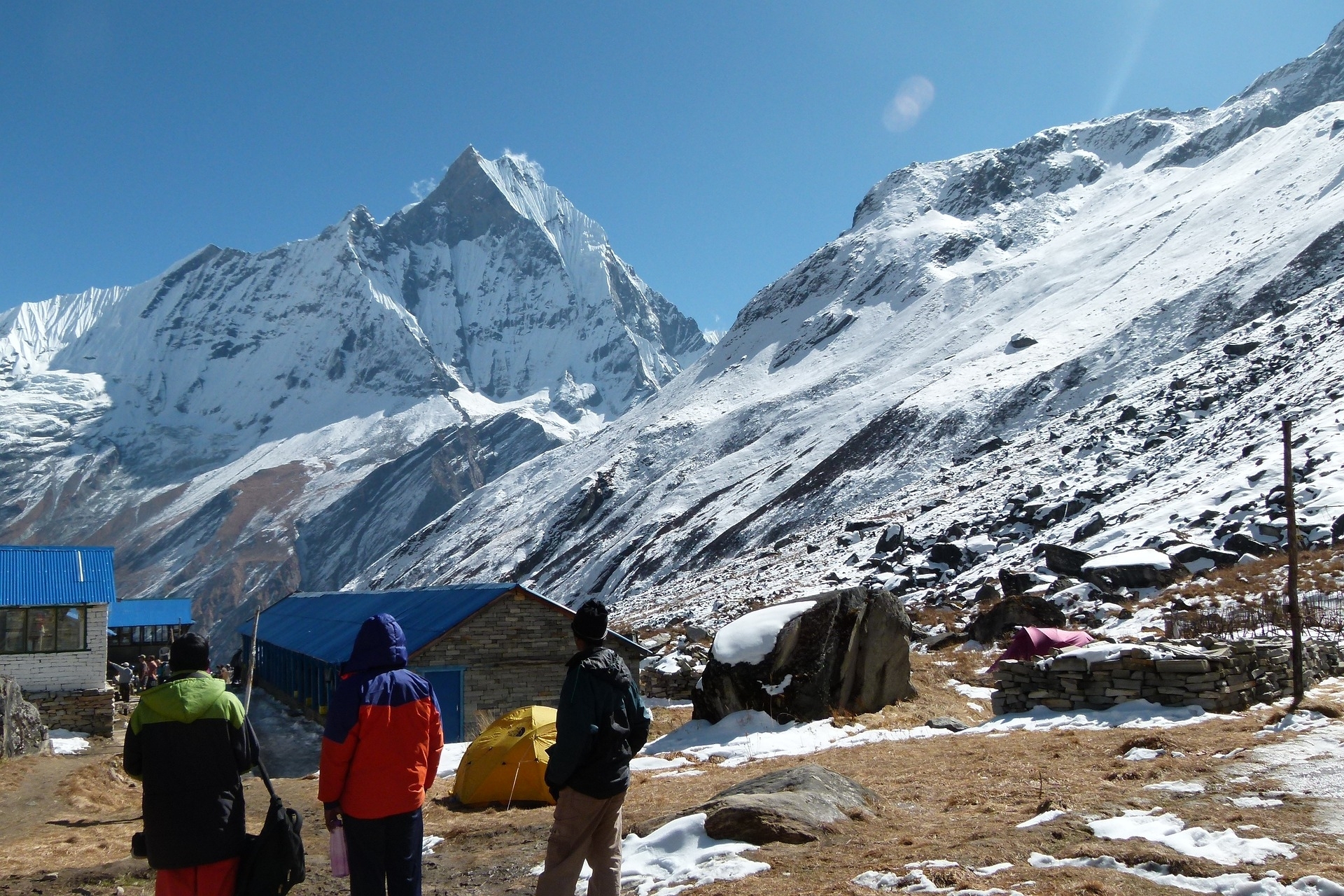
  • Stunning views of Annapurna, Dhaulagiri, and Machhapuchhre
  • Relax in hot springs at Tatopani
  • Trek through lush forests and alpine woodlands
  • Explore traditional Gurung and Thakali villages
  • Diverse landscapes from green valleys to arid highlands
  • Spot rhododendron, oak, and juniper flora
  • Enjoy a mix of culture, nature, and adventure

Overview

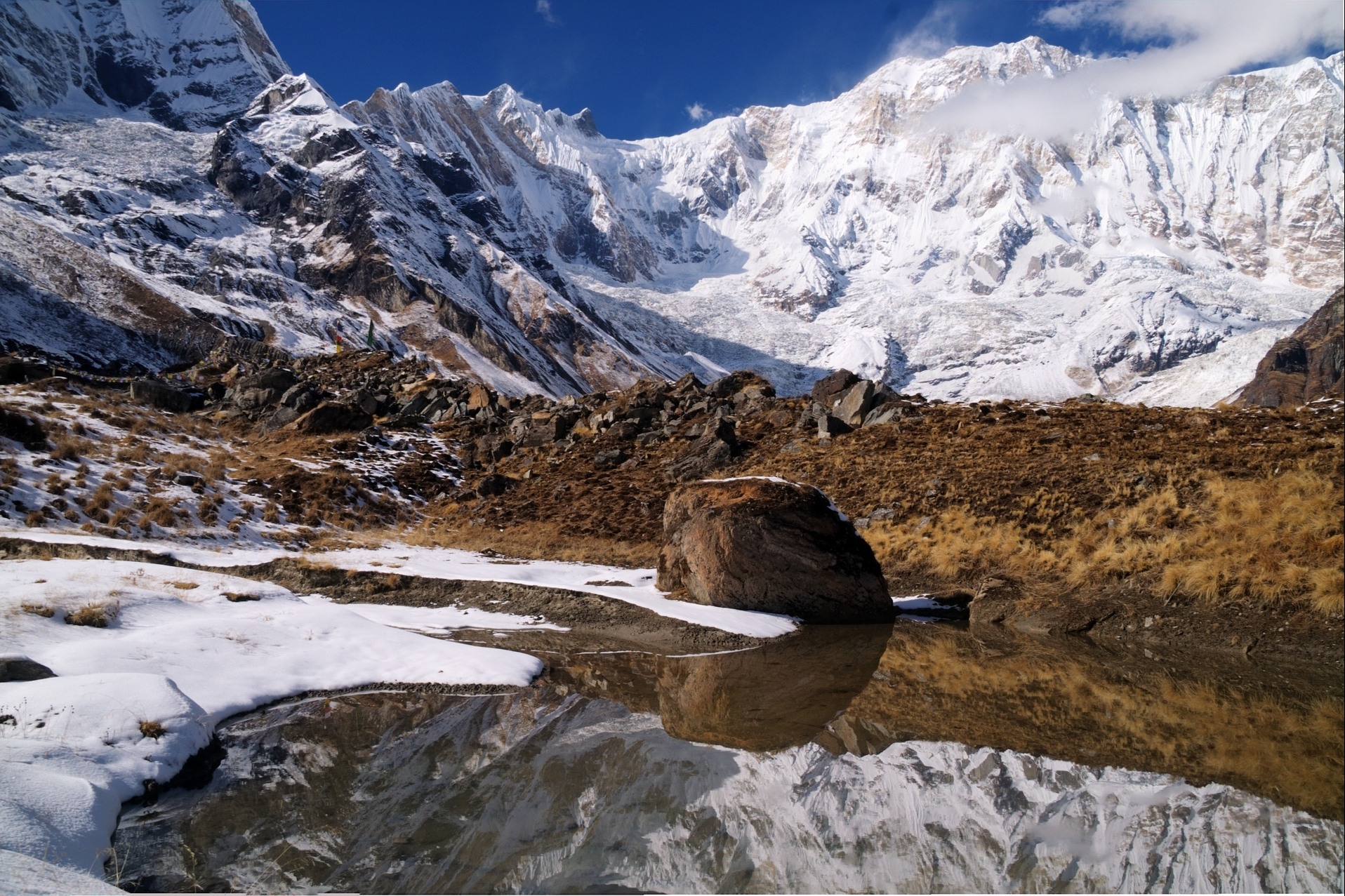
The Annapurna Circuit Trek is regarded as one of the world’s most iconic and diverse trekking adventures, offering a dramatic contrast in geography, climate, and culture. From the lush lowlands and terraced rice fields of the Marshyangdi Valley to the arid, high-altitude landscapes near Thorong La Pass (5,416m), the trail encompasses a complete Himalayan experience. You'll pass through subtropical forests, alpine meadows, and barren plateaus that resemble Tibetan landscapes, all while enjoying stunning views of peaks like Annapurna I, Dhaulagiri, Machhapuchhre, and Manaslu.

The route also takes you through culturally rich villages inhabited by Gurungs, Thakalis, Tibetans, and Manangis, allowing trekkers to experience a range of languages, customs, and traditions. One of the sacred highlights of this trek is Muktinath Temple, a significant spiritual site for both Hindus and Buddhists, symbolizing religious harmony. This remarkable blend of nature, spirituality, and culture is what makes the Annapurna Circuit Trek a truly transformative journey. For the team at Plan Nepal Trek & Expedition (P.) Ltd, facilitating such a life-changing adventure is both an honor and a passion.

Best Time for Annapurna Circuit Trek

The most favorable time to undertake the Annapurna Circuit Trek is during the spring (March to May) and autumn (September to November) seasons. During these months, the weather is stable, skies are usually clear, and mountain views are breathtakingly crisp. Spring also brings rhododendron blooms, enhancing the beauty of the trail, while autumn offers pleasant trekking temperatures and post-monsoon greenery.

Monsoon season (June to early September) is generally avoided due to heavy rain, muddy trails, and increased risk of landslides, especially in lower altitudes. Winter (December to February), although dry, brings snow and extreme cold at higher elevations, particularly around Thorong La Pass. However, for those seeking solitude and dramatic snow-covered landscapes, winter treks can be equally rewarding—with the proper gear and preparation.

Annapurna Circuit Trekking Difficulty

The Annapurna Circuit Trek is considered moderate to challenging and is suitable for both experienced trekkers and physically fit first-timers. The trek spans 160 to 230 kilometers depending on the route and side trips taken. One of the biggest physical challenges is the altitude gain, particularly the ascent to Thorong La Pass (5,416m), which can cause altitude sickness if not properly acclimatized.

Daily trekking hours range from 5 to 8 hours, with variations depending on terrain and weather. The trail includes a mix of steep climbs, descents, rocky paths, and suspension bridges. Despite its challenges, the trek is manageable with a good level of fitness, and Plan Nepal Trek & Expedition ensures a steady pace and well-timed acclimatization days to support your safety and comfort.

Food and Accommodation for Annapurna Circuit Trek

Accommodation along the Annapurna Circuit consists of teahouses and lodges, which provide basic yet cozy lodging with twin-share rooms, warm blankets, and shared bathrooms. As you ascend, facilities become more rustic, but the welcoming hospitality remains a constant. Plan Nepal Trek & Expedition partners with reliable teahouses to ensure trekkers receive clean rooms and hygienic meals throughout the journey.

Food on the trail is nutritious and diverse, with menus offering local Nepali dishes like dal bhat (lentil soup with rice), as well as Tibetan bread, noodles, momos, and even pasta and pancakes. Warm drinks such as tea, coffee, and herbal infusions are available at every stop. The availability of fresh fruits and safe drinking water varies with altitude, but your guide from Plan Nepal will ensure your dietary needs are met with care.

Why Choose Annapurna Circuit Trek

Choosing the Annapurna Circuit means choosing a classic Himalayan adventure that delivers awe-inspiring landscapes, rich cultural encounters, and the challenge of trekking through one of the world’s most varied terrains. The route is dotted with waterfalls, deep gorges, ancient monasteries, and sacred temples. It not only fulfills a trekker’s dream of seeing majestic peaks up close but also provides insight into rural Himalayan life that is both humble and deeply spiritual.

With Plan Nepal Trek & Expedition, you’re not just joining a trek—you’re embracing a journey planned with attention to detail, safety, and authentic local connection. Our experienced guides, porter support, and personalized services ensure that every step of your Annapurna adventure is meaningful and memorable. Whether it's your first time in the Himalayas or you're a seasoned trekker, Annapurna Circuit with us offers the kind of experience that stays with you forever.

Important Note

USEFUL TIPS IN SAVING ENERGY 
 

  • For the camera, extra batteries.
  • 5,000–10,000 mah power bank.
  • The solar charger, as well as the solar lamp, are both eco-friendly (luminaid lamps).
  • Using a gadget with low brightness, GPS, and wifi turned off when necessary helps save energy.

Trip Itinerary

Upon arrival at Tribhuvan International Airport, a representative from Plan Nepal Trek & Expedition will warmly welcome you and transfer you to your hotel in the heart of Kathmandu. After check-in, you can relax and recover from your journey or explore the vibrant streets of Thamel, a popular tourist district. In the evening, there will be a short briefing about the trek and an opportunity to ask questions. This is also a good time to make any last-minute preparations or purchases. Overnight stay in Kathmandu.
Today is set aside for sightseeing and final trek preparation. You’ll explore several UNESCO World Heritage Sites in the Kathmandu Valley, including the spiritual Boudhanath Stupa, the sacred Hindu temple of Pashupatinath, and the ancient palace complex of Kathmandu Durbar Square. A guided city tour gives insights into Nepal’s rich history, culture, and religious diversity. In the afternoon, there will be a trek orientation and gear check with your guide. You'll also have time to rest, organize your gear, or enjoy the evening at leisure. Overnight stay in Kathmandu.
After an early breakfast, begin a long but scenic drive from Kathmandu to Syange or Jagat, marking the beginning of the trek. The journey follows the Prithvi Highway alongside the Trishuli River and then transitions into rugged mountain roads with views of rivers, terraced fields, and traditional villages. The drive may be bumpy in parts, especially after leaving Besisahar, but it offers your first taste of Nepal’s hill landscapes. Upon arrival in Syange or Jagat, you’ll settle into a cozy teahouse for the night. Overnight stay in Syange/Jagat.
Your trek begins with a scenic trail alongside the Marsyangdi River. The route takes you through lush forests, waterfalls, and picturesque Gurung and Tamang villages. You’ll pass the beautiful village of Tal, located on a river plain with cascading waterfalls. After Tal, the trail climbs and descends through rugged terrain and suspension bridges until you reach Dharapani, a major trail junction. The landscapes start to shift, hinting at the alpine terrain ahead. You’ll check into a teahouse and enjoy a warm meal. Overnight stay in Dharapani.
Today’s journey continues through forested hills and charming villages. You'll walk through pine and fir forests, pass several mani walls (prayer stones), and cross roaring rivers on suspension bridges. As you gain elevation, the air becomes cooler and the scenery more dramatic. The trail winds through Timang and Thanchowk before arriving in Chame, the district headquarters of Manang. Chame offers impressive views of Lamjung Himal and is a good place to rest and acclimate. Facilities are well-developed here with shops and bakeries. Overnight stay in Chame.
Leaving Chame, the trail heads deeper into the valley, revealing stunning views of Annapurna II and IV. You’ll walk through forests and past rock walls, one of the most notable being the curved rock face of Paungda Danda. The trail gradually ascends until reaching the windswept village of Pisang, located in a wide, dry valley. You can choose to stay in either Lower or Upper Pisang, but Upper Pisang provides better views and is ideal for acclimatization. Enjoy the changing landscape and cooler temperatures. Overnight stay in Pisang.
Take the scenic and slightly more challenging upper route through the traditional villages of Ghyaru and Ngawal. This path offers panoramic views of the Annapurna range and a deeper cultural experience. You’ll pass ancient monasteries and mani walls, with the dry, Tibetan-like landscape growing more prominent. After a gradual descent, you’ll reach Manang, the largest village in the region, nestled beneath the majestic peaks. This bustling village offers good facilities, bakeries, shops, and even a medical clinic. It’s a great place to rest and explore. Overnight stay in Manang.
Today is a crucial rest day to allow your body to adapt to the altitude. Take it slow and explore Manang and its surroundings. You can hike up to Gangapurna Lake or the viewpoint above the village for panoramic mountain views. Alternatively, visit the nearby Braga Monastery or attend an altitude lecture at the Himalayan Rescue Association. This day also gives you time to enjoy local cuisine, rest in a cozy lodge, and prepare mentally and physically for the high-altitude crossing ahead. Overnight stay in Manang.
The trail climbs steadily out of Manang, heading toward the drier and more rugged high-altitude zone. As you ascend, the vegetation becomes sparse, and yak pastures dominate the landscape. You’ll pass small settlements like Gunsang and cross wooden bridges over icy streams. Keep a slow and steady pace as the air gets thinner. Yak Kharka is a small, scenic outpost with stunning views and a quiet atmosphere—ideal for acclimatization. Spend the evening resting and hydrating in preparation for the next leg. Overnight stay in Yak Kharka.
Today’s trek is short but important as you reach Thorong Phedi, the base camp before crossing Thorong La Pass. The trail traverses rugged terrain, crosses suspension bridges, and passes landslide-prone areas. You’ll need to walk slowly and mindfully. Thorong Phedi is a small settlement nestled beneath steep cliffs and surrounded by towering peaks. Some trekkers opt to hike a bit further to High Camp, but staying at Phedi helps prevent altitude sickness. Rest early tonight in preparation for a pre-dawn start tomorrow. Overnight stay in Thorong Phedi.
Start early today—usually around 4 a.m.—to make the long ascent to Thorong La Pass, the highest point of the trek at 5,416 meters. The climb is challenging due to the thin air and steep terrain, but the reward is immense. Prayer flags and panoramic views await at the top. After celebrating the achievement, begin the steep descent to Muktinath, a sacred pilgrimage site for both Hindus and Buddhists. The contrast in landscape is striking as you enter the drier Mustang region. Overnight stay in Muktinath.
After visiting the Muktinath temple complex in the morning, you’ll take a scenic jeep drive down through the Kali Gandaki Gorge, the deepest in the world. The drive passes through Jomsom and Marpha, famous for apple orchards and local brandy, before continuing to Tatopani. Upon arrival, enjoy a rejuvenating soak in the natural hot springs along the river. This is a relaxing and well-earned break after several tough trekking days. Overnight stay in Tatopani.
Leaving the river valley behind, the trail climbs steeply through terraced hillsides and rhododendron forests toward the village of Ghorepani. You’ll pass Magar villages like Sikha and Chitre, experiencing a return to greener surroundings. Ghorepani sits atop a ridge and offers excellent mountain views and comfortable lodges. This village is also the base for the next morning’s Poon Hill sunrise hike, one of the most iconic viewpoints in the Annapurna region. Overnight stay in Ghorepani.
Start your day early with a pre-dawn hike to Poon Hill (3,210m) for an unforgettable sunrise over the Dhaulagiri and Annapurna ranges. After soaking in the panoramic views, return to Ghorepani for breakfast and begin the trek to Tadapani. The trail leads through enchanting rhododendron forests and offers frequent glimpses of snowy peaks. Tadapani is perched on a ridge surrounded by dense forest and stunning views of Annapurna South and Machhapuchhre. Overnight stay in Tadapani.
Descend through beautiful forests and terraced fields to the Gurung village of Ghandruk. Spend time exploring this cultural gem, known for its traditional stone houses, museums, and friendly locals. After lunch, continue the short trek to Nayapul, where your vehicle will be waiting to drive you to Pokhara. Once in Pokhara, check into your hotel and enjoy a well-deserved rest by the lakeside. Celebrate your journey with good food and perhaps a lakeside walk. Overnight stay in Pokhara.
After breakfast, take a scenic drive back to Kathmandu via the Prithvi Highway. You’ll pass through beautiful countryside, river valleys, and bustling towns along the way. Alternatively, a 25-minute flight is available at additional cost for those wishing to return quickly. Once in Kathmandu, you can relax at your hotel, shop for souvenirs, or enjoy a farewell dinner. This evening is yours to enjoy the capital one last time. Overnight stay in Kathmandu.
Depending on your flight schedule, you may have time for some last-minute shopping or a short stroll through the city. A representative from Plan Nepal Trek & Expedition will transfer you to Tribhuvan International Airport for your onward journey. As you leave Nepal, take with you cherished memories of your Annapurna adventure—the landscapes, the culture, and the achievement of completing one of the world’s great treks. Farewell and safe travels!
Not satisfied with this itinerary? Make your own.
Plan My Trip

Includes

  • Airport transfers in Kathmandu.
  • Accommodation in Kathmandu and Pokhara (3-star hotels)
  • Accommodation during the trek (teahouses)
  • Breakfast in Kathmandu and Pokhara
  • All ground transportation as per the itinerary.
  • All necessary permits (TIMS, Annapurna Conservation Area Permit)
  • All meals during the trek
  • Experienced English-speaking guide and porters, heir salary insurance and equipment's all.
  • Transportation (Kathmandu-Pokhara-Kathmandu by tourist bus, Pokhara-Nayapul-Pokhara by private vehicle)
  • Porter(s) to carry luggage (1 per 2 trekkers).
  • Trekking map and group medical kit.

Doesn't Include

  • International airfare
  • Nepal visa fees
  • Personal expenses (e.g., laundry, phone calls, snacks, etc.)
  • Travel insurance
  • Tips for guide and porters
  • Additional expenses due to unforeseen circumstances (e.g., natural disasters, political situations)

Trip Info

Trekking map

Upcoming Departure Dates

Your Start Date is the day you land in Nepal, and your End Date is when you fly home.

If the set Annapurna Circuit Trek group dates don’t suit your schedule, we can offer alternative dates upon request.

,

Packing List

Proper layering is important to stay warm and comfortable in changing mountain weather.

  • Base layers (thermal tops and bottoms): Keep your body warm in cold mornings and high altitudes.
  • Trekking shirts (quick-dry): Stop sweat buildup and keep you comfortable while hiking.
  • Fleece jacket / mid-layer: Adds warmth between your base layer and outer jacket.
  • Insulated down jacket: Essential for cold evenings and nights at high camps.
  • Waterproof & windproof jacket: Protects you from rain, snow, and strong winds.
  • Trekking pants: One lightweight pair for warm days and one insulated pair for cold sections.
  • Waterproof pants: Handy if the weather suddenly changes.
  • Warm hat/beanie & sun hat: Warmth in the morning and protection from the sun.
  • Buff/neck gaiter: Protects from dust, wind, and cold air.
  • Inner gloves & insulated outer gloves: Keep your hands warm at high altitudes.
  • Warm trekking socks (4–5 pairs): Prevent blisters and keep feet warm.

Good footwear makes trekking easier and safer.

  • Trekking boots (broken-in): Support your ankles and protect your feet on rocky paths.
  • Camp shoes/sandals: Let your feet rest after a long day of walking.
  • Gaiters: Keep snow or mud out of your boots.
  • Microspikes (optional): Useful on icy trails in spring or autumn.
  • Trekking poles: Help your balance and reduce strain on your knees during steep hikes.

The right gear keeps you safe, comfortable, and prepared.

  • Backpack (40–50L) with rain cover: Carry all your daily essentials.
  • Sleeping bag (–15°C to –20°C comfort): Nights can be very cold, especially at high camps.
  • Headlamp with extra batteries: Needed for early morning hikes.
  • Water bottles or hydration bladder (2L): Stay hydrated at high altitudes.
  • Water purification tablets/filter: Safe drinking water is limited in teahouses.
  • Sunglasses (UV400): Protect eyes from strong sun and snow glare.
  • Dry bags/stuff sacks: Keep clothes and electronics dry and organized.
  • Camera/phone + power bank: Charging is limited and may cost extra.

Lightweight but important items keep you clean, healthy, and comfortable.

  • Sunscreen (SPF 50+) & lip balm: Protect from strong sun at high altitude.
  • Personal medications: Bring altitude pills, anti-nausea medicine, and any prescriptions.
  • Basic first aid kit: Blister care is very important on long hikes.
  • Hand sanitizer & wet wipes: Useful when warm water is not available.
  • Quick-dry towel: Small, light, and easy to carry.
  • Moisturizer: Prevents dry skin and chapped lips in cold, dry air.
  • Toothbrush/toothpaste, soap/shampoo: Travel-sized is best.

Keep important items safe and easy to reach.

  • Passport & trekking permits: Needed at checkpoints in the region.
  • Travel insurance: Must cover high-altitude helicopter evacuation.
  • Cash (Nepalese Rupees): For charging, Wi-Fi, hot showers, and small expenses.
  • Snacks/energy bars: Quick energy during long trekking days.
  • Notebook or diary: Record your journey and memories.
  • Lightweight book / Kindle: For reading during downtime in teahouses.
Why Book with Us?
  • Excellent customer service. Our travel experts are ready to help you 24/7.
  • Best price guaranteed.
  • No credit card or booking fees.
  • 100% financial protection.
  • Environmentally-friendly tours.

Frequently Asked Questions

General & Essential Info

When trekking the Annapurna Circuit, it is recommended that you walk at least 3 hours each day to maintain a good pace and acclimatize properly, but avoid pushing yourself too hard by trekking more than 8 hours daily. This balance ensures you enjoy the journey without risking altitude sickness or exhaustion. Most trekkers find that 5–7 hours per day is ideal to cover good distances while allowing ample time to rest and take in the stunning surroundings.

Budgeting for your daily expenses on the Annapurna Circuit largely depends on your lifestyle and preferences. Generally, you should expect to spend between $30 and $50 per day for lodging and three meals at tea houses or lodges. This budget covers basic accommodation, food, and small incidental expenses such as hot showers or charging electronic devices. However, if you prefer more comfort or drink alcohol, shop for souvenirs, or take guided tours, you should allocate additional funds accordingly.

Respect for nature and local culture is crucial while trekking the Annapurna Circuit. Avoid loud music or disruptive behavior that might disturb wildlife or other trekkers. It is important not to trespass into restricted or sacred areas. Avoid littering and always dispose of waste properly. Reckless behavior such as excessive drinking or disrespecting local customs can harm the environment and your trekking experience. Staying responsible ensures you contribute positively to preserving this beautiful region.

The Annapurna Circuit trek demands a moderate to high level of physical fitness due to its duration, altitude, and terrain. Ideally, you should prepare by engaging in cardiovascular exercises such as hiking, running, or cycling for several weeks before the trek. Strength training for legs and core muscles is also beneficial. Regular walking or trekking practice with a loaded backpack will help your body adapt to the physical demands. Proper preparation minimizes fatigue and the risk of injury, making your trek safer and more enjoyable.

Altitude sickness is a common concern on the Annapurna Circuit due to high passes like Thorong La. To minimize risks, it’s important to ascend gradually and take rest or acclimatization days, especially in places like Manang. Stay well-hydrated, avoid alcohol, and eat regularly. If symptoms like headaches, dizziness, nausea, or fatigue appear, descend to a lower altitude immediately. Carrying medications such as Diamox and consulting your guide can help manage symptoms. Listening to your body and not rushing is key.

Mobile phone and internet coverage are available in most villages along the Annapurna Circuit, especially in larger settlements like Manang, Chame, and Muktinath. However, signal strength can be weak or non-existent in remote or high-altitude areas. Many tea houses offer Wi-Fi, sometimes free or for a small fee. It’s advisable to inform family or friends that connectivity may be intermittent, and to use communication responsibly to respect the local environment and community.

Permits, Costs & Booking

To legally trek in the Annapurna Conservation Area, you need two main permits. The first is the Annapurna Conservation Area Permit (ACAP), which helps preserve the natural environment and local culture. The second is the Tourist Information Management System (TIMS) card, issued by the Nepal Tourism Board to monitor trekkers' whereabouts for safety purposes. Both permits are mandatory and can be obtained in Kathmandu or Pokhara before starting the trek. Your trekking agency typically assists with this process.

Accommodation & Meals

Tea houses in the Annapurna region are well-known for their friendly atmosphere and essential facilities. Most offer simple, clean rooms with two beds, blankets, and sometimes western-style toilets. Hot water showers are often available, although usually for an extra charge. The menus typically include both local Nepali dishes and popular western options like pasta and pancakes. While facilities vary depending on the altitude and remoteness, tea houses generally provide a comfortable and safe resting place for trekkers.

Weather & Seasons

The most popular trekking seasons are spring (March to May) and autumn (September to November). During these months, the weather is stable, temperatures are moderate, and mountain views are clear. Spring brings blooming rhododendrons, while autumn offers crisp skies and post-monsoon freshness. Winter can be cold and snowy, especially at high altitudes, while the monsoon season (June to August) brings heavy rains and slippery trails. Choosing the right season greatly enhances your trekking experience.

Guides, Support & Safety

While it is possible to trek independently, hiring a guide or porter through Plan Nepal Trek & Expedition can greatly enhance your experience. Guides provide valuable local knowledge, help with navigation, and assist in case of emergencies. Porters carry your heavy backpack, allowing you to trek comfortably and reduce fatigue. Supporting local guides and porters also contributes to the local economy. For first-time trekkers or those unfamiliar with the region, a guide is strongly recommended for safety and cultural insight.
Add-on Trips

Similar Trips

Annapurna Base Camp Trek
Annapurna Region
Difficulty: Moderate
Best Selling
Trekking in Nepal
4.5
(2)
Annapurna Base Camp Trek - 14 days
From US$ 1,250
US$ 1,100 Save US$ 150
No of people Price per person
1 - 1 $1,250
2 - 5 $1,100
6 - 12 $1,080
13 - 20 $1,060
Explore
Mardi Himal Base Camp Trek
Annapurna Region, Nepal
Difficulty: Easy
Trekking in Nepal
5.0
(2)
Mardi Himal Base Camp Trek - 11 days
From US$ 1,550
US$ 750 Save US$ 800
No of people Price per person
1 - 1 $1,550
2 - 5 $750
6 - 12 $735
13 - 20 $720
Explore
Jomsom Muktinath trek
Difficulty: Difficult
Recommended by
5.0 (35)
5.0 (2)
100% recommend (0)
5.0 Excellent (0)
10,000 followers
Associated with
Plan my Trip Whatsapp Book Now
We use cookies to enhance your experience on our website. By continuing to browse, you agree to our use of cookies.