Everest Panorama Trek is a fantastic opportunity to explore the majestic Everest region, offering a perfect blend of breathtaking mountain vistas and rich Sherpa culture. This trek is designed for those who want to experience the highlights of the Everest region without committing to the longer, more demanding Everest Base Camp trek. Over 11 days, trekkers will journey through iconic Sherpa villages such as Namche Bazaar, Tengboche, Pangboche, and Dingboche, soaking in the vibrant local traditions and stunning Himalayan landscapes.
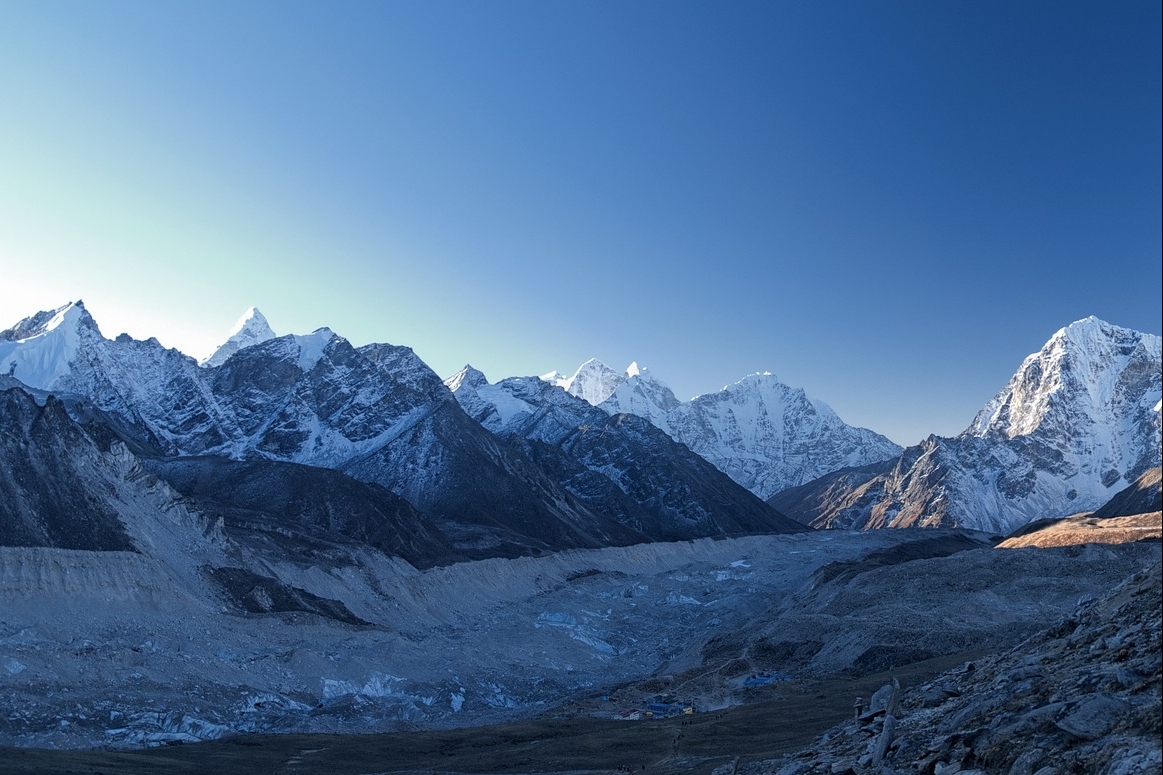
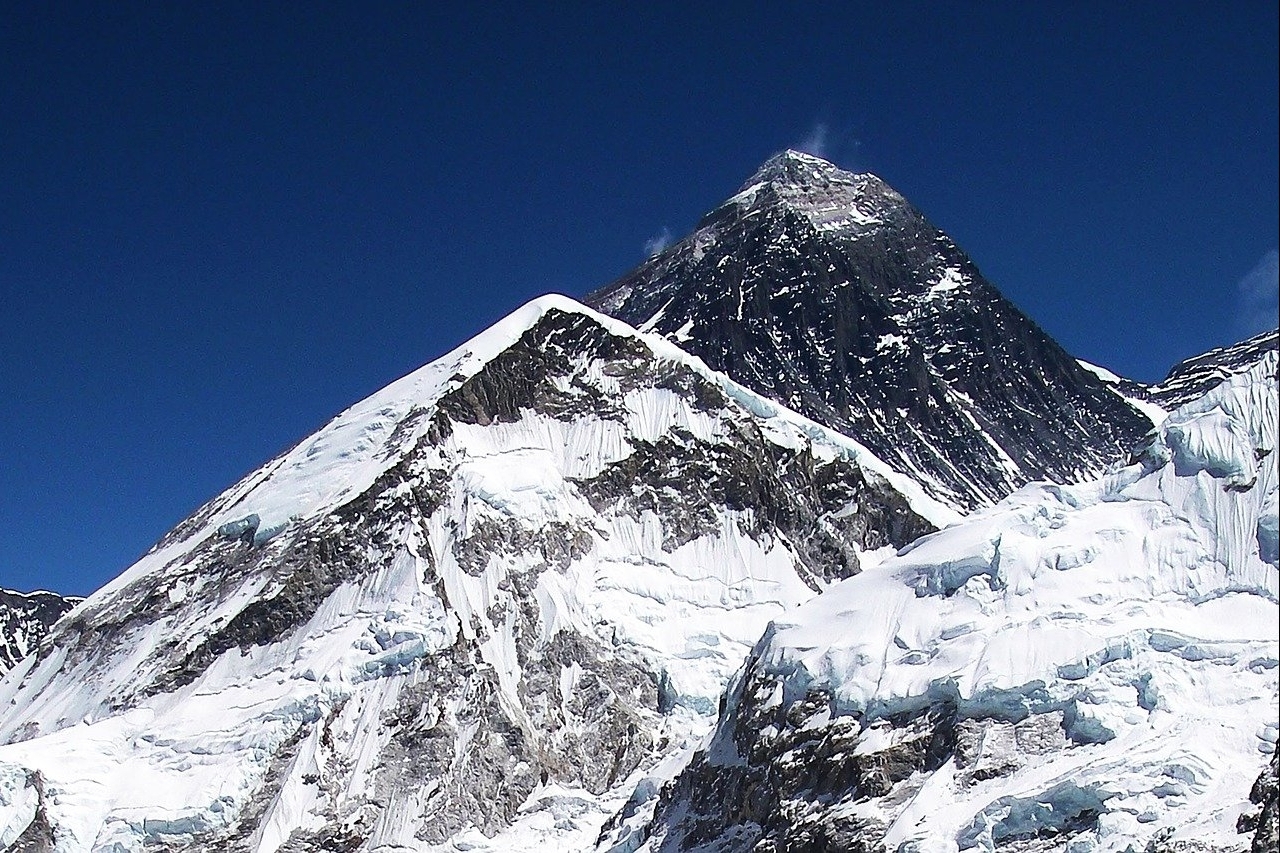
The trek presents unparalleled panoramic views of some of the highest peaks on Earth, including Mt. Everest, Lhotse, Thamserku, and Ama Dablam. The route follows a balanced itinerary with ample time for acclimatization, cultural exploration, and enjoying the pristine natural beauty. It’s an ideal choice for trekkers with limited time but high aspirations, combining adventure, culture, and nature in one compact package. Plan Nepal Trek & Expedition ensures every detail is taken care of to make your experience memorable and safe.
Best Time for Everest Panorama Trek 11 Days
The optimal times to undertake the Everest Panorama Trek are during the spring (March to May) and autumn (late September to November) seasons. Spring offers blooming rhododendrons and lush greenery, with clear skies providing spectacular mountain views. It is also the season when the region bursts with vibrant cultural festivals, adding a rich dimension to the trekking experience.
Autumn is equally popular due to its stable weather, cool temperatures, and excellent visibility. This season is perfect for those aiming to capture the crystal-clear vistas of Everest and surrounding peaks. Winter trekking (December to February) is possible but much colder, with some lodges closed and potential snowfall making trails more challenging. Summer monsoon (June to August) is generally avoided due to heavy rains, slippery trails, and limited mountain visibility.
Everest Panorama Trek 11 Days Difficulty
The Everest Panorama Trek is classified as moderate in difficulty. The trek involves gradual ascents and descents, with the highest altitude reached at Tengboche (3867m). While the daily trekking hours range from 3 to 6 hours, the trail is well-established and offers plenty of rest stops, making it accessible to trekkers with a reasonable level of fitness.
Acclimatization days are built into the itinerary, which reduces the risk of altitude sickness. The trek does involve some steep climbs, particularly between Namche Bazaar and Tengboche, but overall, it’s suitable for beginners who have prepared physically. Experienced trekkers will also enjoy the cultural richness and varied landscapes without the extreme physical demands of higher altitude routes.
Food and Accommodation for Everest Panorama Trek 11 Days
Along the trek, accommodation is mainly in cozy teahouses and lodges that provide basic yet comfortable facilities. Most lodges offer warm rooms with shared bathrooms, and some higher-end lodges include en-suite options. Staying in teahouses also allows trekkers to engage with local Sherpa families and experience their hospitality firsthand.
Food during the trek includes a wide variety of Nepalese and Western dishes such as dal bhat (lentil soup with rice), momos (dumplings), noodles, soups, and pasta. Fresh vegetables, eggs, and meats are available in larger villages like Namche Bazaar. Hydration is crucial at altitude, so purified water, tea, and hot drinks are readily available. Plan Nepal Trek & Expedition ensures that meals and lodging meet quality standards to keep trekkers energized and comfortable throughout the journey.
Why Choose Everest Panorama Trek 11 Days with Plan Nepal Trek & Expedition?
Choosing the Everest Panorama Trek with Plan Nepal Trek & Expedition means entrusting your adventure to experienced professionals who prioritize safety, comfort, and cultural immersion. The company offers expert local guides, well-planned itineraries, and personalized support throughout the trek. Their deep knowledge of the Everest region ensures that trekkers not only enjoy stunning scenery but also gain meaningful insights into Sherpa culture and traditions.
Plan Nepal Trek & Expedition is committed to sustainable tourism and responsible travel, partnering with local communities and preserving the natural environment. Whether you are a first-time trekker or a seasoned adventurer, their attentive service, quality logistics, and passion for the Himalayas make this trek an unforgettable experience. With them, you get more than just a trek — you get a holistic journey into the heart of the Everest region.
Welcome to Kathmandu, the vibrant capital city of Nepal and the starting point of your Everest Panorama Trek. Upon your arrival at Tribhuvan International Airport, our representative from Plan Nepal Trek & Expedition will warmly greet you and transfer you to your hotel. Take this day to relax, acclimatize to the altitude, and explore the lively streets of Thamel, the tourist hub. We’ll conduct a briefing session about the trek, go over the itinerary, and ensure you have all the necessary gear and permits for the journey ahead. Overnight at a comfortable hotel in Kathmandu.
This morning, set out on a scenic five-hour trek to Tengboche, home to the famous Tengboche Monastery, a spiritual center for Sherpas. The trail ascends steadily through pine forests and open ridges, offering magnificent views of Everest, Ama Dablam, and other giants of the Himalaya. The stone gate marking the monastery signals your arrival, and the panoramic views here are unforgettable, especially at sunset. Stay overnight at the lodge adjacent to the monastery.
Trekking from Shanasa to Thame takes around four hours through rugged terrain and traditional Sherpa villages. Thame is rich in culture with several ancient monasteries and is less touristy, giving you a glimpse into authentic Sherpa life. The village is surrounded by impressive peaks and snow-capped ridges, providing excellent photo opportunities. Overnight in a comfortable lodge, where you can enjoy the peaceful mountain environment.
Your Start Date is the day you land in Nepal, and your End Date is when you fly home.
If the set Everest Panorama Trek 11 Days group dates don’t suit your schedule, we can offer alternative dates upon request.
Proper layering is important to stay warm and comfortable in changing mountain weather.
Good footwear makes trekking easier and safer.
The right gear keeps you safe, comfortable, and prepared.
Lightweight but important items keep you clean, healthy, and comfortable.
Keep important items safe and easy to reach.
The ideal time for the Everest Panorama Trek is during the spring (March to May) and autumn (late September to November) seasons. During these periods, the weather is generally stable, skies are clear, and temperatures are moderate, providing the best visibility of the Himalayan peaks. Spring also offers blooming rhododendrons and vibrant landscapes, while autumn delivers crisp air and stunning sunsets. Monsoon season (June to August) is usually avoided due to heavy rainfall and slippery trails, and winter can be very cold with some lodges closed.
This trek is considered moderate in difficulty and is suitable for trekkers with a basic level of fitness. The trail includes gradual ascents and descents, with the highest point reaching just under 4,000 meters at Tengboche. Acclimatization days are included to help prevent altitude sickness. While some sections, like the climb from Namche Bazaar to Tengboche, can be steep, the trek is manageable for beginners who are well-prepared physically and mentally.
No prior trekking experience is required to undertake the Everest Panorama Trek, but a reasonable level of physical fitness is important. The trek is designed to be accessible to beginners with good endurance and stamina. Regular cardiovascular exercise and strength training before the trip are recommended. The itinerary includes acclimatization days to help your body adjust to the altitude, reducing the risk of sickness.
Accommodation along the Everest Panorama Trek is primarily in teahouses and lodges, which offer basic but comfortable facilities. Most lodges have shared bathrooms and warm rooms, while a few may offer private rooms. Staying in these lodges gives trekkers the chance to experience authentic Sherpa hospitality and interact with local families. Plan Nepal Trek & Expedition ensures that the selected lodges maintain cleanliness and comfort standards to enhance your trekking experience.
The food on the Everest Panorama Trek includes a mix of traditional Nepalese and Western dishes. Dal bhat (rice with lentil soup) is a staple meal and provides excellent nutrition and energy. You will also find momos (dumplings), noodles, soups, eggs, and pasta along the route. In larger villages like Namche Bazaar, fresh vegetables and meat dishes are available. Tea, coffee, and hot lemon drinks are popular for keeping warm. Vegetarian and special dietary options can usually be arranged with advance notice.
Plan Nepal Trek & Expedition prioritizes the safety and well-being of all trekkers. Experienced Sherpa guides accompany the group to provide local knowledge, help with navigation, and assist with any altitude-related issues. The guides are trained in first aid and emergency procedures, and the company maintains clear communication with local agencies for rapid assistance if needed. Porters are also employed to carry luggage, allowing trekkers to focus on enjoying the trek safely.
Yes, trekkers need to obtain certain permits to enter the Everest region. The two primary permits are the TIMS card (Trekkers’ Information Management System) and the Sagarmatha National Park Permit. These permits help regulate trekking activities and preserve the environment. Plan Nepal Trek & Expedition handles all necessary paperwork and ensures that you have valid permits before the trek begins, so you don’t have to worry about the bureaucratic details.
| No of people | Price per person |
|---|---|
| 1 - 1 | $1,450 |
| 2 - 5 | $1,199 |
| 6 - 12 | $1,150 |
| 13 - 20 | $1,120 |

| No of people | Price per person |
|---|---|
| 1 - 1 | $1,200 |
| 2 - 5 | $1,099 |
| 6 - 12 | $1,075 |
| 13 - 20 | $1,060 |
| No of people | Price per person |
|---|---|
| 1 - 1 | $1,800 |
| 2 - 5 | $1,499 |
| 6 - 12 | $1,480 |
| 13 - 20 | $1,465 |


 (2)
(2)  100% recommend (0)
 (0)
(0) 


