Everest region trekking, one of the most popular and famous areas for all types of adventure. The grading of walks from moderate, adventurous to challenging, where one can choose as per your choice of destination. Everest region trekking, a combination of scenic views of world highest peaks in the close harmony of local immense culture.
The walk leads to lovely villages festooned with religious monuments of great cultural significance, visiting its impressive monasteries. Villages with age-old heritage in the close shade of giant mountains within beautiful landscapes of rolling hills and valleys.
Since the first conquest of Mt. Everest in 1953 by legendary mountaineers Tenzing & Hillary, the region has been famous. One can enjoy walks following the scenic trail to Everest base camp or any other major destinations.
Everest region trekking offers various scenic and cultural destinations, suitable for all types of trekkers and age-group. From short moderate treks of a week to adventurous walks of more than two weeks or more. An enjoyable adventure around Everest and the high Khumbu region, spending overnights in the comfort of a nice local lodge.
Various ways to reach your dream destination around the Everest region, the most popular and fastest way is flying from Kathmandu. Then landing at Lukla Tenzing & Hillary airport and start the trek to your chosen destinations. The other option is walking from Jiri town and beyond then reaching Everest and Khumbu region.
Whatever route is chosen, it is one of the most deserving adventure holidays around the Everest region. The walk leads you amidst the world's highest peaks facing dramatic scenery of beautiful high country around the Everest region.
Adventure Wonders have listed an interesting trek around the Everest region for you to enjoy lovely scenic walks with us.
Everest base camp trekking, one of the most popular adventure destinations of little than two weeks duration. This trek leads you right to the heart of Mt. Everest.
Gokyo Valley to Everest base camp via Cho-La Pass, a great adventure that includes the best of the Everest region. The walk takes you to magnificent Gokyo valley and its emerald-colored glacial lakes and then crossing high Cho-La pass. Finally ending the adventure on reaching Everest base camp and then back to Lukla.
Everest Panorama Trekking, a short and scenic adventure of a week an interesting walk to Tengboche and its magnificent monastery. Tengboche offers a breath-taking panorama of Everest and a series of snow mountain ranges.
Jiri to Everest base camp trekking, a classic adventure following the original route to Everest base camp. Walk take you around nice farm villages of Solu, then reaching the main trail of Khumbu to Everest base camp.
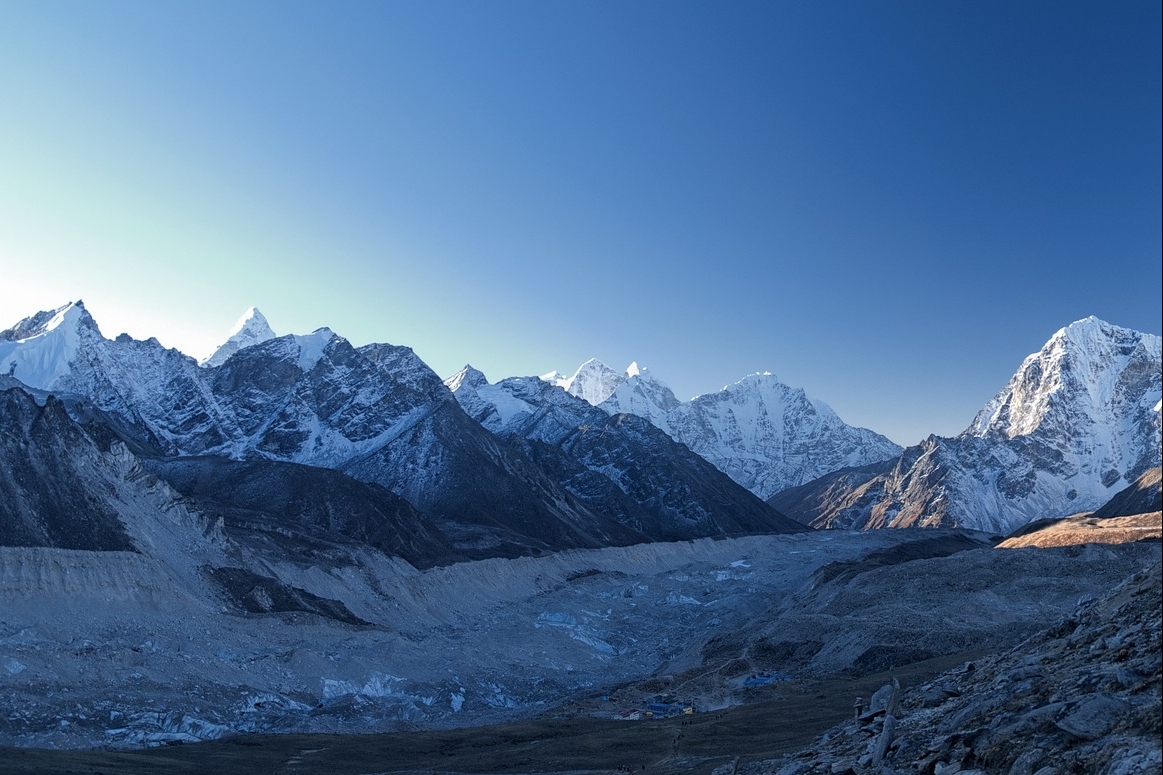
One of the most iconic and exhilarating trekking routes in the world, the Everest Base Camp (EBC) trek offers a once-in-a-lifetime experience that truly surpasses all expectations. Situated in the heart of the Himalayas, this trek leads adventurers to the base camp of the world’s highest peak—Mount Everest (8,848 meters). The trek immerses travelers in breathtaking natural beauty, where four of the six tallest mountains on Earth—Mt. Everest, Mt. Lhotse, Mt. Makalu, and Mt. Cho Oyu—stand majestically against the sky. The towering ridges and rugged terrain form a stunning backdrop for trekkers, creating an unforgettable adventure that combines physical challenge with awe-inspiring scenery.Beyond the magnificent landscapes, the Everest Base Camp Trek offers a deep cultural immersion into the Sherpa way of life. The Sherpa people, known for their resilience and mountaineering prowess, add a rich cultural layer to this trek. Visitors have the unique opportunity to visit ancient monasteries such as the 500-year-old Tengboche Monastery, which is nestled amidst stunning mountain views and is a spiritual haven. Trekking through Sagarmatha National Park, a UNESCO World Heritage Site, trekkers witness diverse Himalayan flora and fauna in pristine wilderness. The trek culminates with the climb to Kala Patthar (5,545 meters), providing panoramic vistas of Everest and surrounding peaks at sunrise. This journey, regarded as the grandest trek in the Himalayas, begins from the bustling airstrip of Lukla and winds through Sherpa villages, rhododendron forests, and glacial landscapes. Plan Nepal Trek & Expedition expertly organizes this 14-day itinerary, carefully designed to balance acclimatization and adventure, ensuring trekkers have a safe, fulfilling, and life-enriching experience.Best Time for Everest Base Camp TrekChoosing the right time to embark on the Everest Base Camp Trek is crucial for a rewarding experience, both in terms of weather conditions and trekking safety. The best times to trek to Everest Base Camp are during the pre-monsoon (spring) season, from late February to May, and the post-monsoon (autumn) season, from late September to early December. These windows offer the clearest skies, stable weather, and the most breathtaking views of the Himalayan peaks. Springtime is particularly magical as the rhododendron forests burst into vibrant colors, enhancing the natural beauty of the trail. Autumn, on the other hand, offers crisp air and excellent visibility, making it perfect for capturing stunning photographs of Everest and its neighboring summits.Winter trekking is possible but not recommended for most travelers due to extreme cold and the risk of heavy snowfall, which can make the trail difficult and dangerous. Summer monsoon season, from June to August, brings heavy rains and increased risk of landslides and trail erosion, often obscuring mountain views with thick clouds. However, the monsoon season does bring lush greenery and fewer trekkers, which some adventurers may prefer. For a well-rounded experience, Plan Nepal Trek & Expedition advises travelers to plan their trek during the peak seasons, when the weather is most stable and the trails are bustling with fellow trekkers and vibrant local culture. Regardless of the season, the company’s experienced guides ensure safety and comfort throughout the journey.Everest Base Camp Trekking DifficultyThe Everest Base Camp Trek is classified as a moderate to challenging trek, demanding a reasonable level of physical fitness and mental endurance. The trek is approximately 130 kilometers round trip and involves trekking at high altitudes, reaching a maximum elevation of 5,545 meters at Kala Patthar. The trail covers rugged terrain, including steep ascents, descents, and sometimes rocky or icy paths, especially as you approach higher altitudes. One of the biggest challenges for trekkers is the risk of altitude sickness, which is why proper acclimatization days are incorporated into the itinerary. These rest days at Namche Bazaar and Dingboche allow the body to adjust to the thinning air, reducing the risk of serious health issues.While the trek requires stamina and careful preparation, it does not involve technical climbing skills, making it accessible to adventurous travelers with good physical conditioning. Daily walking hours vary from 4 to 7 hours, allowing trekkers to set a sustainable pace. Proper hydration, gradual ascent, and a well-balanced diet play a crucial role in maintaining energy levels. Plan Nepal Trek & Expedition supports trekkers with experienced guides who monitor health conditions and provide essential advice, ensuring each trekker’s safety. The support team also handles logistics, accommodation, and meals, so trekkers can focus on enjoying the journey and the spectacular Himalayan environment. With the right preparation and guidance, the Everest Base Camp trek is an achievable and immensely rewarding challenge.Food and Accommodation for Everest Base Camp TrekDuring the Everest Base Camp Trek, trekkers can expect to experience a variety of delicious and nourishing meals, carefully tailored to fuel the body for the high-altitude adventure. At lower elevations and in Kathmandu, you will find a range of Nepalese, Tibetan, and international dishes, including momos (dumplings), dal bhat (lentil soup with rice), noodles, soups, and hearty stews. As the trek progresses, the menu shifts slightly due to the remoteness of the region and the challenges of transporting food. Despite this, the lodges along the trail provide nutritious meals, often featuring locally sourced ingredients. Meals generally include breakfast, lunch, and dinner, with options to accommodate vegetarian and other dietary preferences. Hot beverages like tea, coffee, and hot lemon water are commonly served and provide comfort in cold weather.Accommodation during the trek is primarily in tea houses and lodges, offering basic yet comfortable facilities that reflect the remote Himalayan environment. The lodges typically feature shared dormitories or private rooms with simple beds and blankets. Facilities such as western-style or squat toilets and hot showers are available at most stops, although amenities may become more basic at higher altitudes. Despite modest accommodations, these lodges provide warmth, rest, and a chance to mingle with fellow trekkers and local Sherpa hosts. Plan Nepal Trek & Expedition ensures that accommodation arrangements maintain a balance between comfort and authenticity, supporting local communities while providing trekkers a safe and welcoming place to relax each evening. This blend of hearty food and cozy lodging contributes significantly to the overall trekking experience.Why Choose Everest Base Camp Trek with Plan Nepal Trek & ExpeditionChoosing the right trekking company can make all the difference between an ordinary trek and an extraordinary adventure. Plan Nepal Trek & Expedition (P.) Ltd. stands out as one of Nepal’s premier expedition companies, renowned for professionalism, safety, and personalized service. The company boasts a team of highly experienced guides, porters, and support staff who are dedicated to making your Everest Base Camp Trek smooth, safe, and memorable. With a commitment to responsible tourism, Plan Nepal Trek ensures sustainable practices that benefit local Sherpa communities and preserve the pristine environment of the Everest region.Plan Nepal Trek & Expedition offers expertly curated itineraries that emphasize acclimatization, safety, and cultural immersion, catering to a range of trekking preferences and fitness levels. From the moment you arrive in Kathmandu until your final departure, the team manages all logistics—from flights, permits, and accommodations to meals and emergency support. Their guides possess deep knowledge of the region’s geography, culture, and history, enriching the trek with storytelling and insights. The company’s long-standing relationships with local communities mean that trekkers experience authentic Sherpa hospitality and gain deeper cultural understanding. When you choose Plan Nepal Trek & Expedition, you are not just signing up for a trek—you are embarking on a transformative journey guided by passionate professionals dedicated to making your Everest Base Camp adventure safe, enjoyable, and unforgettable.

The Everest Panorama Trek, offered by Plan Nepal Trek & Expedition, is a carefully crafted journey designed for trekkers who wish to experience the beauty and grandeur of the Everest region without the physical demands of reaching Everest Base Camp. This trek is ideal for those seeking a short yet rewarding Himalayan adventure. Over the span of 10 days, travelers explore the heartland of the Sherpas, delving deep into the unique cultural and natural landscapes of the Khumbu region. The trek offers unforgettable vistas of towering snow-capped peaks, including Mt. Everest (8,848m), Lhotse, Ama Dablam, Thamserku, and other majestic Himalayan giants.This moderate-level trek includes visits to iconic locations such as Namche Bazaar, the vibrant Sherpa town and gateway to Everest; Tengboche, home to the revered Tengboche Monastery; and Khumjung, a picturesque village with deep cultural roots. The trek follows a well-established route, providing excellent acclimatization opportunities and allowing for a relaxed pace. Along the way, trekkers witness a rich blend of natural beauty and spiritual heritage, encountering Buddhist stupas, prayer flags, chortens, and traditional Sherpa villages. Whether you're a first-time visitor to Nepal or a returning traveler, the Everest Panorama Trek delivers a balanced experience of adventure, culture, and nature in just over a week. With Plan Nepal Trek & Expedition, you’ll be guided by experienced local professionals who ensure both safety and an authentic immersion into the Sherpa lifestyle.Best Time for Everest Panorama TrekkingThe best seasons for the Everest Panorama Trek are spring (March to May) and autumn (September to November). These periods offer stable weather conditions, clear skies, and moderate temperatures—ideal for trekking. In spring, the trails are decorated with blooming rhododendrons, and the air carries a fresh alpine scent. The visibility during this time is excellent, making it perfect for photographing the Himalayan peaks. You can expect daytime temperatures ranging from 10°C to 15°C at lower elevations, with cooler nights as you gain altitude.Autumn, particularly October and early November, is equally popular due to its post-monsoon clarity and dry conditions. The skies remain clear throughout the day, providing sweeping views of mountains like Ama Dablam, Everest, and Lhotse. The temperature is slightly cooler than spring but still comfortable for walking. While winter treks (December to February) are also possible, they require additional preparation for cold weather, and some lodges may be closed due to snow. Summer (June to August), dominated by the monsoon, is not recommended due to slippery trails, leeches, and cloud-obstructed views. Therefore, if you're looking for the optimal experience with the best scenery and manageable trekking conditions, spring and autumn are the ideal windows for embarking on the Everest Panorama Trek with Plan Nepal Trek & Expedition.Everest Panorama Trekking DifficultyThe Everest Panorama Trek is considered moderate in difficulty, making it suitable for trekkers with average fitness levels, including beginners who are reasonably active. Unlike the Everest Base Camp trek, this journey avoids the higher altitudes of 5,000 meters and instead reaches a maximum elevation of Tengboche (3,870m). The trekking days involve 4–6 hours of walking per day, often on well-maintained trails that include stone staircases, suspension bridges, and gradual ascents and descents. While the physical challenge is real, it is not extreme, and there are sufficient rest stops and acclimatization days built into the itinerary to support your adjustment to altitude.Acclimatization is a crucial aspect of high-altitude trekking, and this itinerary includes a full acclimatization day at Namche Bazaar, which significantly reduces the risk of altitude sickness. Despite the moderate grade, the trek does require mental preparedness and stamina, particularly during uphill climbs and long walking days. It's recommended that trekkers engage in some form of pre-trek physical conditioning, such as hiking, walking, or cardiovascular workouts, several weeks in advance. With expert guidance from Plan Nepal Trek & Expedition, trekkers are supported every step of the way, ensuring safety and comfort even for first-time Himalayan explorers.Food and Accommodation for Everest Panorama TrekThroughout the Everest Panorama Trek, you’ll stay in cozy teahouses or mountain lodges, which offer basic yet comfortable amenities. These teahouses provide private or twin-sharing rooms, usually with shared bathrooms, though some may offer private bathrooms for an extra fee. Blankets are provided, but it’s advisable to bring your own sleeping bag for added warmth. Most lodges are family-run, and staying in them gives trekkers a close-up experience of Sherpa hospitality and daily life.Meals on the trail are typically served in communal dining halls around a central stove. The food is nutritious, filling, and includes a variety of Nepali and international dishes. The staple Nepali meal, dal bhat (rice, lentils, and vegetables), is a common and satisfying choice, often served with refills. Other options include noodles, fried rice, pasta, pancakes, eggs, Tibetan bread, and soups. Beverages like tea, coffee, and hot lemon are widely available. Drinking water can be purchased at lodges or refilled with filtered or boiled water (or using purification tablets). With Plan Nepal Trek & Expedition, you can expect well-managed lodging arrangements and meals that cater to your dietary needs while ensuring hygiene and safety throughout the journey.Why Choose Everest Panorama TrekThe Everest Panorama Trek is perfect for those looking to experience the magic of the Everest region without undertaking an exhaustive expedition. It offers a rich tapestry of Himalayan culture, natural beauty, and mountain vistas within a relatively short time frame. For travelers with time constraints or those concerned about the challenges of higher altitudes, this trek is a fantastic alternative to the full Everest Base Camp trek. You’ll still witness iconic peaks like Everest, Ama Dablam, and Thamserku, and visit culturally significant places like Tengboche Monastery and Namche Bazaar, providing both scenic and spiritual rewards.Choosing Plan Nepal Trek & Expedition means opting for professionalism, safety, and authenticity. With years of experience in the trekking industry, the company prioritizes responsible tourism, local community engagement, and high-quality service. Their knowledgeable guides, many of whom are from the Everest region themselves, enrich your trek with insights into Sherpa culture, Buddhist traditions, and mountain ecology. Additionally, the company ensures that all necessary permits, flights, logistics, and accommodation are handled efficiently. For a safe, culturally immersive, and visually breathtaking adventure, the Everest Panorama Trek with Plan Nepal Trek & Expedition stands out as one of the best trekking experiences in Nepal.
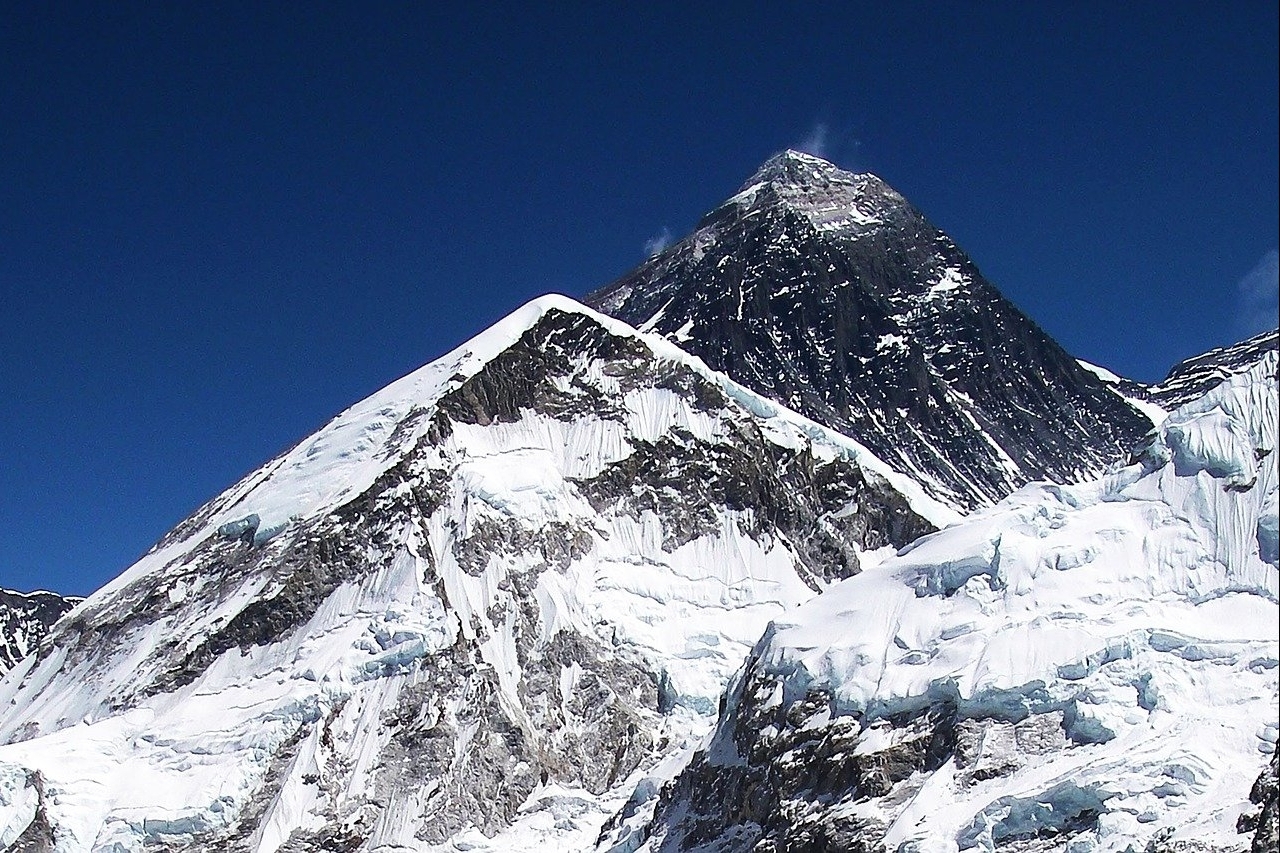
The Everest Three Pass Trek is one of the most exhilarating and challenging trekking adventures in the Khumbu region of Nepal. This trek takes you through the three major high passes of the Everest region: Renjo-La (5,300m), Cho-La (5,420m), and Kongma-La (5,545m). These passes connect the major valleys of the Everest area and offer trekkers breathtaking panoramic views of some of the world’s highest peaks, including Mount Everest, Lhotse, Makalu, Cho Oyu, and the iconic Ama Dablam. The journey is not only about the peaks but also the unique Himalayan landscapes, glaciers, alpine meadows, and traditional Sherpa villages. The opportunity to climb Gokyo Ri and Kala Pattar adds to the adventure, offering one of the best vantage points to witness the grandeur of the Himalayas.This trek is ideal for those seeking a strenuous and rewarding experience beyond the classic Everest Base Camp route. Although it demands physical endurance and a high level of fitness, the trek does not require technical climbing skills. Along the way, trekkers immerse themselves in Sherpa culture and hospitality, witnessing ancient Buddhist monasteries and experiencing the warm traditions of the mountain people. With Plan Nepal Trek & Expedition, you are assured expert guidance, meticulous planning, and support to make this demanding trek a life-changing experience.Best Time for Everest Three Pass TrekThe best time to undertake the Everest Three Pass Trek is during the pre-monsoon (spring) and post-monsoon (autumn) seasons. From late March to May, spring brings pleasant temperatures, blooming rhododendrons, and clear skies, making it a favorite time for trekkers. The weather is generally stable, and the mountain views are spectacular. Similarly, the autumn season, from late September to early December, offers crisp, cool air and clear visibility, allowing trekkers to enjoy stunning panoramic views of the Himalayan peaks.Winter (December to February) can be extremely cold, especially when crossing high passes, and heavy snowfall can pose risks, while the monsoon season (June to early September) brings heavy rain, cloud cover, and slippery trails, making trekking difficult and less enjoyable. Therefore, the spring and autumn seasons are highly recommended to ensure safety, comfort, and the best visual experience during this trek.Everest Three Pass Trekking DifficultyThe Everest Three Pass Trek is classified as a strenuous and challenging trek due to its high altitude, rugged terrain, and long trekking days. The three passes – Renjo-La, Cho-La, and Kongma-La – all rise above 5,000 meters, requiring trekkers to acclimatize properly to avoid altitude sickness. The trail involves steep ascents and descents, glacier crossings, and sometimes icy patches, demanding good physical fitness, stamina, and mental toughness.While no technical climbing skills are necessary, trekkers must be comfortable walking on uneven and sometimes slippery terrain. Daily trekking hours range from 4 to 9 hours depending on the section. The trek is suitable for experienced trekkers or those who have prior high-altitude trekking experience, but with proper preparation and guidance from Plan Nepal Trek & Expedition, even moderately fit adventurers can safely complete the journey.Food and Accommodation for Everest Three Pass TrekFood along the Everest Three Pass Trek mainly consists of traditional Nepali dishes such as dal bhat (rice and lentils), momos (dumplings), noodles, soups, and various vegetarian and non-vegetarian options available at teahouses and lodges. The meals are hearty and designed to provide the necessary energy for long trekking days. Tea and hot drinks are readily available to help keep warm in the cold mountain environment.Accommodation on this trek is typically in basic tea houses or lodges located in villages along the route. These lodges provide simple rooms with beds, blankets, and shared or private toilets, though facilities become more basic as you ascend higher. Plan Nepal Trek & Expedition ensures that trekkers stay in clean, safe, and comfortable lodges, and offers support to meet any special dietary needs or preferences throughout the journey.Why Choose Everest Three Pass Trek with Plan Nepal Trek & Expedition?Choosing Plan Nepal Trek & Expedition for your Everest Three Pass Trek ensures a professionally organized adventure led by experienced guides who prioritize your safety, comfort, and success. With years of expertise in the Everest region, the company offers personalized itineraries, knowledgeable Sherpa guides, and well-trained support staff who are familiar with the terrain and weather conditions.Plan Nepal Trek & Expedition also emphasizes responsible tourism, supporting local communities and preserving the fragile environment. Their commitment to quality service, including comprehensive trekking permits, secure transportation, and quality equipment, makes the journey smooth and stress-free. Whether you are a seasoned trekker or attempting the trek for the first time, Plan Nepal Trek & Expedition stands out as a trusted partner for making your Everest Three Pass Trek an unforgettable and rewarding Himalayan experience.

Everest Panorama Trek is a fantastic opportunity to explore the majestic Everest region, offering a perfect blend of breathtaking mountain vistas and rich Sherpa culture. This trek is designed for those who want to experience the highlights of the Everest region without committing to the longer, more demanding Everest Base Camp trek. Over 11 days, trekkers will journey through iconic Sherpa villages such as Namche Bazaar, Tengboche, Pangboche, and Dingboche, soaking in the vibrant local traditions and stunning Himalayan landscapes.The trek presents unparalleled panoramic views of some of the highest peaks on Earth, including Mt. Everest, Lhotse, Thamserku, and Ama Dablam. The route follows a balanced itinerary with ample time for acclimatization, cultural exploration, and enjoying the pristine natural beauty. It’s an ideal choice for trekkers with limited time but high aspirations, combining adventure, culture, and nature in one compact package. Plan Nepal Trek & Expedition ensures every detail is taken care of to make your experience memorable and safe.Best Time for Everest Panorama Trek 11 DaysThe optimal times to undertake the Everest Panorama Trek are during the spring (March to May) and autumn (late September to November) seasons. Spring offers blooming rhododendrons and lush greenery, with clear skies providing spectacular mountain views. It is also the season when the region bursts with vibrant cultural festivals, adding a rich dimension to the trekking experience.Autumn is equally popular due to its stable weather, cool temperatures, and excellent visibility. This season is perfect for those aiming to capture the crystal-clear vistas of Everest and surrounding peaks. Winter trekking (December to February) is possible but much colder, with some lodges closed and potential snowfall making trails more challenging. Summer monsoon (June to August) is generally avoided due to heavy rains, slippery trails, and limited mountain visibility.Everest Panorama Trek 11 Days DifficultyThe Everest Panorama Trek is classified as moderate in difficulty. The trek involves gradual ascents and descents, with the highest altitude reached at Tengboche (3867m). While the daily trekking hours range from 3 to 6 hours, the trail is well-established and offers plenty of rest stops, making it accessible to trekkers with a reasonable level of fitness.Acclimatization days are built into the itinerary, which reduces the risk of altitude sickness. The trek does involve some steep climbs, particularly between Namche Bazaar and Tengboche, but overall, it’s suitable for beginners who have prepared physically. Experienced trekkers will also enjoy the cultural richness and varied landscapes without the extreme physical demands of higher altitude routes.Food and Accommodation for Everest Panorama Trek 11 DaysAlong the trek, accommodation is mainly in cozy teahouses and lodges that provide basic yet comfortable facilities. Most lodges offer warm rooms with shared bathrooms, and some higher-end lodges include en-suite options. Staying in teahouses also allows trekkers to engage with local Sherpa families and experience their hospitality firsthand.Food during the trek includes a wide variety of Nepalese and Western dishes such as dal bhat (lentil soup with rice), momos (dumplings), noodles, soups, and pasta. Fresh vegetables, eggs, and meats are available in larger villages like Namche Bazaar. Hydration is crucial at altitude, so purified water, tea, and hot drinks are readily available. Plan Nepal Trek & Expedition ensures that meals and lodging meet quality standards to keep trekkers energized and comfortable throughout the journey.Why Choose Everest Panorama Trek 11 Days with Plan Nepal Trek & Expedition?Choosing the Everest Panorama Trek with Plan Nepal Trek & Expedition means entrusting your adventure to experienced professionals who prioritize safety, comfort, and cultural immersion. The company offers expert local guides, well-planned itineraries, and personalized support throughout the trek. Their deep knowledge of the Everest region ensures that trekkers not only enjoy stunning scenery but also gain meaningful insights into Sherpa culture and traditions.Plan Nepal Trek & Expedition is committed to sustainable tourism and responsible travel, partnering with local communities and preserving the natural environment. Whether you are a first-time trekker or a seasoned adventurer, their attentive service, quality logistics, and passion for the Himalayas make this trek an unforgettable experience. With them, you get more than just a trek — you get a holistic journey into the heart of the Everest region.

The Gokyo-Chola Pass with Everest Base Camp Trek, also known as the Everest Circuit Trek, is one of the most stunning and adventurous trekking routes in the Khumbu region of Nepal. Organized by Plan Nepal Trek & Expedition, this 20-day journey takes you into the very heart of the Himalayas, blending spectacular natural beauty with deep-rooted Sherpa culture. The trek begins in the vibrant capital city of Kathmandu and ascends through lush forests, picturesque villages, high alpine valleys, and sacred glacial lakes, eventually reaching the base of the world’s highest mountain—Mount Everest (8,848m).What sets this trek apart is the route that passes through the serene Gokyo Valley, over the challenging Cho La Pass (5,420m), and culminates at the awe-inspiring Everest Base Camp (5,364m) and Kala Patthar (5,545m) for some of the best panoramic views in the Himalayas. The Gokyo Lakes—a series of glacial blue lakes—are one of the major highlights, along with breathtaking views of four 8,000-meter giants: Everest, Lhotse, Makalu, and Cho Oyu. The route forms a semi-circular loop that offers diverse scenery, from pristine lakes to towering peaks and ancient monasteries.Best Time for Gokyo-Chola Pass with EBC TrekThe best seasons for the Gokyo-Chola Pass with EBC Trek are spring (March to May) and autumn (late September to November). During spring, the trails come alive with blooming rhododendrons, and the weather is typically dry and stable, offering clear mountain views. The temperatures at higher elevations are cold but manageable, and this is also a great time to enjoy the cultural festivals that often take place in the lower valleys.Autumn is considered the most ideal time for this trek due to its post-monsoon clarity. Skies are generally crystal clear, offering the best visibility of the Himalayan giants, and the weather is cool and pleasant for trekking. While it is possible to trek in winter (December to February), be prepared for extremely cold temperatures and potential snow blockages at high passes like Cho La. Monsoon (June to August) is not recommended due to heavy rains, leeches, and landslides in the lower regions.Gokyo-Chola Pass with EBC Trekking DifficultyThe Gokyo-Chola Pass with EBC Trek is classified as a challenging and strenuous trek, suitable for experienced trekkers or those with good physical conditioning and mental resilience. One of the most demanding aspects of this trek is crossing Cho La Pass at an altitude of 5,420 meters, which often involves navigating icy terrain, steep ascents, and potentially snowy or slippery conditions. Proper acclimatization is crucial to avoid altitude sickness as you spend extended time above 4,000 meters.The trek covers a variety of terrain, from rocky trails and glacial moraines to suspension bridges and forest paths. While technical climbing skills are not necessary, previous trekking experience at high altitudes is highly recommended. With multiple days of 5-8 hour hikes, trekkers must be in good physical shape and prepared for sudden changes in weather. Plan Nepal Trek & Expedition ensures professional guides and acclimatization days are built into the itinerary to maximize safety and enjoyment.Food and Accommodation for Gokyo-Chola Pass with EBC TrekDuring the trek, food and accommodation are provided in local teahouses—traditional lodges run by Sherpa families. These teahouses offer a unique opportunity to connect with the local culture while enjoying warm hospitality. Meals are typically hearty and designed to provide the necessary energy for trekking, with a standard menu that includes dal bhat (rice and lentils), noodles, soups, fried rice, pasta, momos, and Tibetan bread.Accommodation is basic but comfortable, usually consisting of twin-sharing rooms with communal dining areas. Higher up in the mountains, especially beyond Namche and towards Gokyo or Gorakshep, facilities become more limited, and rooms may not be heated. Bathrooms are often shared, and hot showers may come at an additional cost. Plan Nepal Trek & Expedition ensures quality teahouses are chosen based on hygiene, comfort, and service, helping you to refuel and rest well each day.Why Choose Gokyo-Chola Pass with EBC TrekChoosing the Gokyo-Chola Pass with EBC Trek is choosing a journey that offers the best of the Everest region—the serenity of Gokyo Lakes, the thrill of crossing Cho La Pass, and the iconic destination of Everest Base Camp. Unlike the standard EBC trek, this route provides a circular trail, avoiding the same path on the way up and down, thus giving you a more enriched and less crowded experience. The views from Gokyo Ri and Cho La are often considered more spectacular than from the EBC trail alone, making this a must-do trek for photography lovers and mountain enthusiasts.With Plan Nepal Trek & Expedition, you're not just signing up for a trek—you’re joining a carefully curated Himalayan adventure with a team of seasoned guides, porters, and travel experts. The company is known for its personalized service, safety-first approach, and deep knowledge of the Khumbu region. Whether it’s managing logistics, ensuring proper acclimatization, or sharing stories of the local Sherpa culture, Plan Nepal Trek & Expedition elevates your trekking experience beyond expectations.

With dozens of majestic peaks and the vast majority of its geography dominated by the Himalayas, Nepal is the ultimate destination for mountaineering and trekking enthusiasts. From beginner-friendly trails to demanding high-altitude expeditions, the country caters to adventurers of all experience levels. One such gem is Mera Peak (6,476m), often underestimated in difficulty but highly revered for its rewarding climb and panoramic views. Positioned in the Everest region, it offers a stepping stone for future high-altitude climbs and serves as a popular acclimatization and training peak.Despite its altitude, Mera Peak is considered one of the more approachable trekking peaks in Nepal. It lies off the mainstream Everest Base Camp trail, providing a remote and quieter experience. Historically, it gained recognition when the Everest pioneers—Sir Edmund Hillary and Tenzing Norgay Sherpa—first explored the area. Since then, its popularity has grown steadily, drawing adventurers seeking to test their endurance and immerse themselves in raw Himalayan beauty.Best Time for Mera Peak ClimbingThe best time to climb Mera Peak is during the pre-monsoon (spring) season from March to May and the post-monsoon (autumn) season from late September to early November. These periods offer the most stable weather, clearer skies, and relatively warmer temperatures, making high-altitude climbing more manageable and safer. In spring, the rhododendron forests are in bloom, and the days are longer, allowing for more comfortable trekking conditions and stunning views of the surrounding Himalayan giants such as Everest, Lhotse, Makalu, and Cho Oyu.Autumn is equally favored for Mera Peak expeditions because of its crisp air and minimal precipitation. Post-monsoon, the trails are fresh and dust-free, and the visibility is at its best—ideal for both photography and summit success. Winter expeditions (December to February) are possible but come with extreme cold, snow-covered trails, and increased difficulty. Summer (June to August), being the monsoon season, is not recommended due to heavy rainfall, landslides, and poor visibility.Mera Peak Climbing DifficultyDespite its elevation of 6,476 meters (21,247 feet), Mera Peak is considered a non-technical trekking peak, which means you don’t need advanced mountaineering experience to climb it. However, it is still physically demanding due to the high altitude, cold temperatures, and long trekking days. The climb includes glacier travel, snow walking, and a steep final ascent to the summit, often requiring the use of crampons, ice axes, and ropes—all of which are taught and practiced during acclimatization at Khare and High Camp.Proper acclimatization, physical fitness, and mental preparation are essential for success. Acute Mountain Sickness (AMS) is a real risk at such altitudes, which is why the itinerary provided by Plan Nepal Trek & Expedition is designed to gradually ascend and include contingency and acclimatization days. With trained guides, safety equipment, and the right pacing, the difficulty becomes manageable even for first-time climbers seeking their first Himalayan summit.Food and Accommodation for Mera Peak ClimbingDuring the trek to Mera Peak, accommodation is primarily in local teahouses or lodges up to Khare. These are simple but functional, offering twin-share rooms with basic bedding. Meals typically include dal bhat (rice, lentils, vegetables), noodles, soups, pasta, pancakes, and occasional meat options. From Khare to High Camp and on the summit push, accommodation shifts to tented camping, and meals are prepared by experienced expedition cooks to maintain energy levels and hygiene.Clean drinking water (boiled or filtered) is provided throughout the trek, and vegetarian options are always available. The company also takes care to accommodate dietary restrictions upon request. The focus is on high-energy, nutritious meals to sustain climbers during physically demanding days. Plan Nepal Trek & Expedition ensures that food safety and hygiene are prioritized to prevent illness at high altitudes.Why Choose Mera Peak ClimbingMera Peak is one of the most rewarding and scenic trekking peaks in Nepal. Standing at 6,476m, it offers a true Himalayan expedition experience without the technical challenges of more advanced climbs. The summit rewards you with panoramic views of five of the world's tallest mountains—Everest, Lhotse, Makalu, Kanchenjunga, and Cho Oyu. It’s also an excellent training peak for those considering 7,000m or 8,000m expeditions in the future, making it a stepping stone for higher mountaineering goals.Climbing Mera Peak is about more than just the summit. The journey through the remote Hinku Valley, far from the crowded Everest trails, immerses you in pristine alpine wilderness and Sherpa culture. With expert guidance from Plan Nepal Trek & Expedition, climbers benefit from personalized service, experienced staff, and a strong focus on safety and sustainability. Whether you’re a first-time climber or a seasoned trekker, Mera Peak offers a challenging, beautiful, and memorable Himalayan adventure.

At an altitude of 6,119 meters, Lobuche East Peak is one of the most iconic trekking peaks in Nepal's Solukhumbu district, situated near the Khumbu Glacier and in close proximity to the famous Everest Base Camp. This climb is a rewarding extension to the traditional Everest Base Camp trek, offering trekkers the chance to experience both high-altitude trekking and Himalayan mountaineering in a single expedition. Organized by Plan Nepal Trek & Expedition, the journey allows climbers to immerse themselves in Sherpa culture, high-altitude terrain, and dramatic alpine views.Lobuche East provides an excellent introduction to peak climbing for both novice climbers with basic skills and experienced mountaineers looking for a short technical climb. The ascent includes moderate to technical sections with glaciated terrain, fixed ropes, and the use of mountaineering gear like crampons, ice axe, and harnesses. From the summit, climbers are rewarded with panoramic views of Everest (8,848m), Lhotse (8,516m), Makalu (8,485m), Ama Dablam (6,812m), and many more. The climb blends physical challenge with cultural exploration, making it an unforgettable experience for those with a spirit of adventure.Best Time for Lobuche East Peak ClimbingThe best seasons for Lobuche East Peak climbing are spring (March to May) and autumn (September to November). These months provide the most stable weather, clear skies, and moderate temperatures, making the climb both safer and more enjoyable. During spring, the trails are decorated with blooming rhododendrons and alpine flowers, adding color and vibrancy to the already majestic Himalayan landscapes. Climbers can enjoy good visibility, which is essential for both trekking and summit day success.Autumn is equally ideal, with post-monsoon freshness in the air and crisp mountain views. The temperatures during the day are mild, and the nights, although cold, are not extreme, which aids acclimatization and overall comfort. Additionally, these periods experience fewer flight cancellations to and from Lukla due to better weather conditions. Plan Nepal Trek & Expedition recommends planning your climb during these peak seasons for the highest success rate and best overall experience.Lobuche East Peak Climbing DifficultyLobuche East Peak is considered a moderately technical climbing peak. While it is not as technically challenging as some of the higher Himalayan expeditions, it still demands a good level of physical fitness, mental determination, and basic mountaineering knowledge. The trail up to Lobuche Base Camp follows the Everest Base Camp trek, which includes steep ascents, high-altitude terrain, and acclimatization stops, all of which prepare climbers gradually for the climb.From Lobuche High Camp, the summit push involves navigating crevassed glaciers, steep snow slopes, and rocky ridgelines. Fixed ropes are usually placed on the more technical sections to assist climbers. You should be familiar with the use of climbing equipment, though Plan Nepal Trek & Expedition provides thorough pre-climb briefings and training sessions to prepare every participant. With professional guides and a well-structured itinerary that includes rest and acclimatization days, climbers with good stamina and preparation can summit Lobuche East successfully.Food and Accommodation for Lobuche East Peak ClimbingDuring the trek from Lukla to Lobuche Base Camp, climbers will stay in tea houses or mountain lodges, which provide simple but comfortable lodging and warm meals. Typical meals include traditional Nepali dal bhat (rice with lentils and vegetables), Tibetan bread, pasta, noodles, eggs, soups, and sometimes even pizza or pancakes. Herbal teas, hot chocolate, and local beverages are available to keep trekkers warm and hydrated in the cold environment.At Lobuche Base Camp and High Camp, climbers stay in tented camps, where food is prepared by the expedition's kitchen staff. These meals are nutritious and high in calories, crucial for maintaining energy at high altitudes. Plan Nepal Trek & Expedition ensures proper hygiene, clean water, and a balanced diet throughout the journey. Tents are shared, and climbers are provided with foam mattresses and sleeping bags suitable for sub-zero conditions, ensuring warmth and rest before and after summit day.Why Choose Lobuche East Peak ClimbingLobuche East Peak climbing is perfect for those seeking an experience that combines trekking through the heart of the Khumbu region with the excitement of mountaineering. The climb offers the ultimate Himalayan adventure—from visiting Everest Base Camp and scaling Kala Patthar for breathtaking sunrise views, to summiting a majestic peak surrounded by the highest mountains on Earth. Few other treks provide this unique combination of adventure, culture, and achievement in just over two weeks.Choosing Plan Nepal Trek & Expedition means you're traveling with a team of licensed guides, Sherpas, and mountaineering experts who bring years of experience, safety training, and local knowledge to your journey. With a focus on client care, safety, and authentic Himalayan experiences, the company ensures every detail of the trip is handled professionally—from logistics and permits to altitude management and emergency planning. Whether you're a seasoned trekker or a first-time climber, Lobuche East with Plan Nepal Trek & Expedition will be a life-changing adventure.

With an abundance of tall, snow-capped peaks and mountains ideal for adventure and expeditions, Island Peak stands out as one of the premier destinations for thrill-seekers. Located in the Everest Region of Nepal, renowned worldwide for its breathtaking trekking routes and mountaineering challenges, Island Peak offers an unforgettable expedition experience. Standing at an elevation of 6,160 meters (20,210 feet), Island Peak is considered one of the best introductory high-altitude climbs. It combines the excitement and challenge of mountaineering with relatively less physical strain compared to other Himalayan summits, making it particularly popular among beginner climbers and adventure enthusiasts.Originally known as Imja-Tse, the peak got its nickname “Island Peak” because from a distance, it appears as a solitary island surrounded by towering glaciers and mountains. The trek to the basecamp itself is a spectacular journey that takes travelers through some of the most awe-inspiring landscapes in the Khumbu region. Along the way, trekkers are treated to stunning views of Everest, Lhotse, Nuptse, and Ama Dablam. The route is rich with Sherpa culture, dotted with quaint tea houses managed by local families, and offers a chance to visit significant Buddhist monasteries that hold historical and spiritual importance. Plan Nepal Trek & Expedition ensures that this experience is not just a climb but a cultural and natural immersion into the heart of the Himalayas.Best Time for Island Peak Climbing – Plan Nepal Trek & ExpeditionThe best times to undertake the Island Peak climb are during the pre-monsoon (spring) season from March to May and the post-monsoon (autumn) season from late September to November. These periods offer the most stable weather, clearer skies, and breathtaking views of the snow-capped peaks. Spring is particularly popular because of the blooming rhododendrons and relatively warm temperatures, while autumn brings crisp air and fantastic visibility of the surrounding Himalayan giants.Climbing outside these windows can be challenging due to heavy snowfall, unpredictable weather, and colder temperatures. Winter expeditions, although possible, require advanced mountaineering skills and experience with extreme cold. Summer monsoon months, from June to early September, generally bring heavy rains, increased risk of landslides, and poor visibility, making trekking and climbing less safe and enjoyable. Plan Nepal Trek & Expedition carefully plans expeditions during the optimal seasons to maximize safety, comfort, and the overall experience for climbers.Island Peak Climbing Difficulty – Plan Nepal Trek & ExpeditionIsland Peak is often considered a moderately difficult climb that provides an excellent introduction to high-altitude mountaineering. While the trek to basecamp is demanding, it is manageable for most fit and acclimatized trekkers. The climb itself requires basic mountaineering skills such as using crampons, ice axes, and fixed ropes. Climbers must also be comfortable with glacier travel and navigating steep snow and ice slopes.Despite being accessible for beginners, the physical challenge should not be underestimated. The altitude, weather conditions, and technical sections near the summit can pose serious difficulties. Proper acclimatization days, like those scheduled in Namche Bazaar and Dingboche, are crucial to minimize altitude sickness risks. Plan Nepal Trek & Expedition ensures all climbers receive necessary training, guidance, and support from experienced Sherpa guides and mountaineers to safely conquer Island Peak while enjoying the climb’s thrilling challenges.Food and Accommodation for Island Peak Climbing – Plan Nepal Trek & ExpeditionDuring the Island Peak expedition, accommodation is primarily in cozy tea houses and lodges along the trekking route. These family-run establishments provide a warm and hospitable environment for climbers after a day of trekking and acclimatization. The facilities are basic but comfortable, with common dining areas where climbers can relax, share stories, and enjoy local hospitality.Meals typically consist of a mix of traditional Nepali cuisine and popular international dishes such as dal bhat (lentil soup with rice), noodles, soups, and pasta. Adequate nutrition is essential during high-altitude expeditions, and Plan Nepal Trek & Expedition makes sure that clients receive well-balanced meals tailored to support energy needs. At basecamp and higher altitudes, meals might be simpler and more focused on carbohydrates and hydration to maintain stamina during the climb.Why Choose Island Peak Climbing with Plan Nepal Trek & ExpeditionChoosing Plan Nepal Trek & Expedition for your Island Peak climb means entrusting your adventure to seasoned experts who prioritize safety, comfort, and authentic experiences. With years of experience in organizing high-altitude expeditions, the company provides professional guides, high-quality equipment, and comprehensive support throughout the journey. Their deep knowledge of the Everest region’s terrain, weather patterns, and cultural nuances ensures a seamless and memorable trip.Beyond logistics, Plan Nepal Trek & Expedition emphasizes sustainable and responsible tourism, working closely with local Sherpa communities to promote economic benefits and cultural preservation. Whether you are a beginner eager to take your first steps into mountaineering or an experienced climber seeking a rewarding summit, Island Peak climbing with this company promises breathtaking vistas, cultural immersion, and the thrill of standing atop one of Nepal’s iconic peaks.

The Everest Base Camp Heli Tour with Plan Nepal Trek & Expedition is a once-in-a-lifetime aerial journey that offers a breathtaking glimpse of the world's highest peak—Mount Everest (8,848.86 m)—without the physical demands of trekking. This exhilarating helicopter tour is perfect for those who wish to witness the grandeur of the Himalayas in a short amount of time. Beginning with a scenic flight from Kathmandu to Lukla, the tour continues deep into the heart of the Khumbu region, allowing travelers to soak in panoramic views of snowcapped peaks, glacial rivers, and rugged mountain terrain.This luxurious and time-efficient tour is designed for adventure lovers, nature enthusiasts, and photographers who crave the ultimate Everest experience. Flying over iconic Himalayan landmarks such as Namche Bazaar, Tengboche Monastery, and Khumbu Glacier, you’ll enjoy a front-row seat to the spectacular beauty of the Everest region. Whether you're short on time or not ready for high-altitude trekking, this heli tour offers a perfect blend of comfort, adventure, and natural splendor.Everest Base Camp Heli Tour LandingOne of the most thrilling moments of the Everest Base Camp Heli Tour is the landing at Kala Patthar (5,545 meters) or close to Everest Base Camp—weather and safety permitting. This is the highlight of the journey, offering travelers a chance to step out at high altitude and admire the surrounding Himalayan giants including Mount Everest, Lhotse, Nuptse, Ama Dablam, and Pumori from a jaw-dropping vantage point.The stop is typically short—around 10 to 15 minutes—due to altitude considerations, but it’s more than enough time to capture photographs, breathe in the crisp mountain air, and absorb the surreal feeling of being in the lap of the world’s highest peaks. Plan Nepal Trek & Expedition ensures that safety protocols are followed strictly, with oxygen available on board and experienced pilots familiar with the mountain conditions.Best Time for Everest Base Camp Heli TourThe best time to explore on an Everest Base Camp Heli Tour is during the pre-monsoon (spring) season from March to May and the post-monsoon (autumn) season from September to November. During these months, the skies are typically clear, the visibility is excellent, and the views of the Himalayan peaks are at their most vibrant and picturesque.Spring brings a touch of color to the Khumbu region, with rhododendrons in bloom, while autumn offers crisp air and crystal-clear skies after the monsoon has cleared away the dust and pollution. Although the heli tours operate year-round, Plan Nepal Trek & Expedition recommends these peak seasons to ensure the best possible experience and safest flying conditions.Everest Base Camp Heli Tour Aerial ViewThe aerial views on this helicopter tour are simply unparalleled. As you soar from Kathmandu toward the Himalayas, you’ll watch the landscape transform from lush green valleys to alpine forests and rugged snow-covered peaks. The aerial view of the Khumbu Glacier, the winding trails leading to base camp, and the steep cliffs of the Himalayan range provide a cinematic spectacle that few get to witness in their lifetime.From the sky, famous villages like Namche Bazaar and Phakding appear like miniature settlements carved into the mountainside, and the sheer immensity of Everest and its neighboring peaks becomes even more impressive. Plan Nepal Trek & Expedition ensures that every seat in the helicopter offers panoramic views, and passengers are encouraged to have cameras ready for this once-in-a-lifetime visual feast.Food, Meals, and Accommodation for Everest Base Camp Heli TourSince the Everest Base Camp Heli Tour is usually completed within a single day, the need for overnight accommodation is minimal unless combined with additional trekking or city tours. However, Plan Nepal Trek & Expedition can arrange comfortable hotel stays in Kathmandu before and after the heli tour. In Kathmandu, guests are hosted in well-rated hotels with modern amenities to ensure a relaxing experience.Breakfast or brunch is often included in the itinerary, with a memorable meal stop at the Everest View Hotel, one of the highest-altitude hotels in the world. Here, guests can enjoy hot drinks and a hearty breakfast while taking in sweeping views of Mount Everest and surrounding peaks. The combination of high-altitude dining and warm hospitality adds a luxurious touch to this Himalayan adventure.Why Choose Everest Base Camp Heli TourThere are countless reasons why adventurers choose the Everest Base Camp Heli Tour, especially when time, fitness, or altitude concerns make trekking impractical. This tour allows you to experience the majesty of Mount Everest in just a few hours, making it ideal for business travelers, older adventurers, or those on a tight schedule. It’s also a fantastic alternative for those who want to avoid the physical strain and unpredictable weather conditions of long treks.Choosing Plan Nepal Trek & Expedition ensures a smooth, safe, and personalized experience, backed by expert pilots and knowledgeable ground staff. With a strong reputation in the Himalayan tourism industry, the company provides not just a ride, but a complete luxury adventure. Whether you're fulfilling a lifelong dream or looking for an unforgettable gift, the Everest Base Camp Heli Tour is an awe-inspiring experience that will leave you with memories—and photos—to cherish forever.
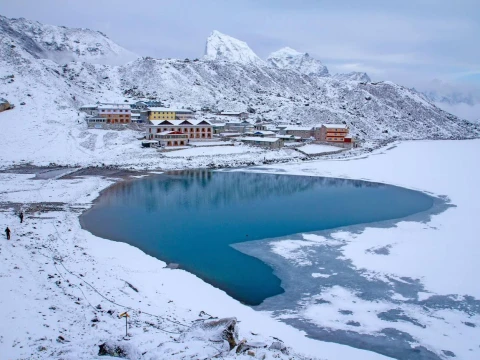
The Gokyo Lake Trek, organized by Plan Nepal Trek & Expedition, is one of the most stunning high-altitude treks in the Everest region. This trek takes adventurers through the scenic Khumbu Valley, offering breathtaking views of some of the world’s highest peaks, including Mount Everest (8,848 m), Cho Oyu (8,188 m), and Makalu (8,481 m). The highlight of the trek is visiting the series of turquoise glacial lakes at Gokyo, with the Gokyo Ri summit (5,357 m) providing panoramic vistas of the surrounding Himalayan giants. Unlike the traditional Everest Base Camp route, the Gokyo trek is quieter and less crowded, offering trekkers a more serene and intimate experience of the Himalayas.The trek generally starts with a short flight from Kathmandu to Lukla, followed by a gradual ascent through picturesque villages like Phakding, Namche Bazaar, and Dole. Along the way, trekkers experience Sherpa culture, traditional monasteries, and suspension bridges across roaring rivers. One of the most memorable experiences is the morning hike to the 4th Gokyo Lake, where trekkers witness the brilliant reflection of towering peaks on crystal-clear waters. This trek also emphasizes acclimatization, especially in Namche Bazaar and at higher altitudes, ensuring a safer experience for travelers.Stunning views of Everest, Cho Oyu, and MakaluA series of glacial lakes, including the famous 4th Gokyo LakeCultural interaction in Sherpa villagesTrekking through less crowded, serene trailsBest Season for Gokyo Lake TrekThe Gokyo Lake Trek can be done throughout the year, but the best seasons are spring (March to May) and autumn (September to November). During these months, the weather is generally clear, offering unobstructed views of the Himalayan peaks and pleasant temperatures for trekking. Spring is especially beautiful due to blooming rhododendrons along the trail, while autumn offers crisp skies and a less dusty environment, ideal for photography.Winter (December to February) is less recommended due to heavy snowfall, cold temperatures, and the risk of trail blockages. Summer (June to August) coincides with the monsoon, making the trek challenging due to wet, slippery trails and limited visibility from clouds and rainfall. Plan Nepal Trek & Expedition recommends travelers choose spring or autumn for a safe, comfortable, and visually spectacular trekking experience.Key Points:Spring (March-May): Blooming rhododendrons, moderate temperaturesAutumn (Sept-Nov): Clear skies, ideal visibilityWinter (Dec-Feb): Cold, snowy, less recommendedMonsoon (Jun-Aug): Wet, slippery trails, higher riskGokyo Lake Trek Difficulty and TransportationThe Gokyo Lake Trek is considered moderate to challenging, mainly due to high altitudes and some steep trails. Trekkers should have a reasonable level of fitness, as daily trekking ranges from 4 to 7 hours, with gradual elevation gains. The most strenuous days include the hike to Gokyo Ri (5,357 m) and crossing from Machhermo to Gokyo while managing altitude adjustments. Proper acclimatization days, like the one in Namche Bazaar, are crucial to prevent altitude sickness.Transportation for the trek begins with a short flight from Kathmandu to Lukla, the gateway to the Everest region. From Lukla, trekking is the primary mode of transportation, though yaks or porters can be hired to carry heavy loads. The return journey follows the same trail to Lukla, from where travelers fly back to Kathmandu. Plan Nepal Trek & Expedition provides all necessary arrangements, including domestic flights, ensuring a smooth and comfortable start and end to the trek.Key Points:Trek Duration: 12 daysDaily Trekking: 4–7 hours on averageHighest Point: Gokyo Ri (5,357 m)Transportation: Flight Kathmandu-Lukla, trekking, return flightFood and Accommodation for Gokyo Lake TrekDuring the trek, food and accommodation are available in tea houses along the route. These guesthouses offer basic yet comfortable lodging with shared or private rooms. The meals are generally Nepali and Tibetan cuisine, such as dal bhat (rice and lentils), noodles, soups, and momos (dumplings). While options are limited at higher altitudes, the food is nutritious and sufficient to sustain energy levels for trekking.Plan Nepal Trek & Expedition ensures trekkers are accommodated in reputable tea houses that maintain hygiene and safety standards. Hot showers and charging facilities are available in some lodges, though not always at higher elevations. Trekkers are advised to carry snacks, water purification tablets, and any personal dietary essentials, especially when trekking to remote areas like Machhermo and Gokyo.Key Points:Tea house accommodations along the trailNepali and Tibetan cuisine, including dal bhat and momosHot showers are available at select lodgesCarry personal essentials for remote areasGokyo Lake Trek PermitsTo trek in the Everest region, trekkers need two main permits: the Sagarmatha National Park Entry Permit and the Trekkers’ Information Management System (TIMS) Card. The Sagarmatha National Park permit is mandatory and can be obtained in Kathmandu or Monjo, while the TIMS card ensures trekkers are registered and safe throughout the journey. These permits help regulate tourism in the protected region and contribute to conservation efforts.Plan Nepal Trek & Expedition assists trekkers in obtaining all necessary permits before departure, ensuring there are no hassles during the trek. Guides typically carry copies of permits during trekking to present to park officials along the route.Key Points:Sagarmatha National Park Permit: Required for entryTIMS Card: Registration and trekking trackingPermits are arranged by the trekking companyContributes to park conservation and safetyWhy Choose Gokyo Lake Trek with Plan Nepal Trek & ExpeditionChoosing Plan Nepal Trek & Expedition for the Gokyo Lake Trek ensures a well-organized, safe, and memorable experience. The company provides experienced local guides, reliable porters, and high-quality logistics, including transportation, accommodation, and meals. Trekkers benefit from personalized itineraries that include acclimatization days, cultural experiences, and scenic hikes, ensuring a balanced and enjoyable adventure.Moreover, the company prioritizes safety, health, and environmental responsibility. Guides are trained in first aid and altitude sickness management, while the company supports eco-friendly trekking practices, such as waste management and community support. Travelers can focus on the adventure while leaving all the arrangements to the experts at Plan Nepal Trek & Expedition, making the Gokyo Lake Trek an unforgettable journey in the Himalayas.Key Points:Experienced local guides and support staffSafe, organized, and personalized trekking itineraryEco-friendly and responsible trekking practicesFull logistical support, including transport, meals, and accommodation


 (2)
(2)  100% recommend (0)
 (0)
(0) 


