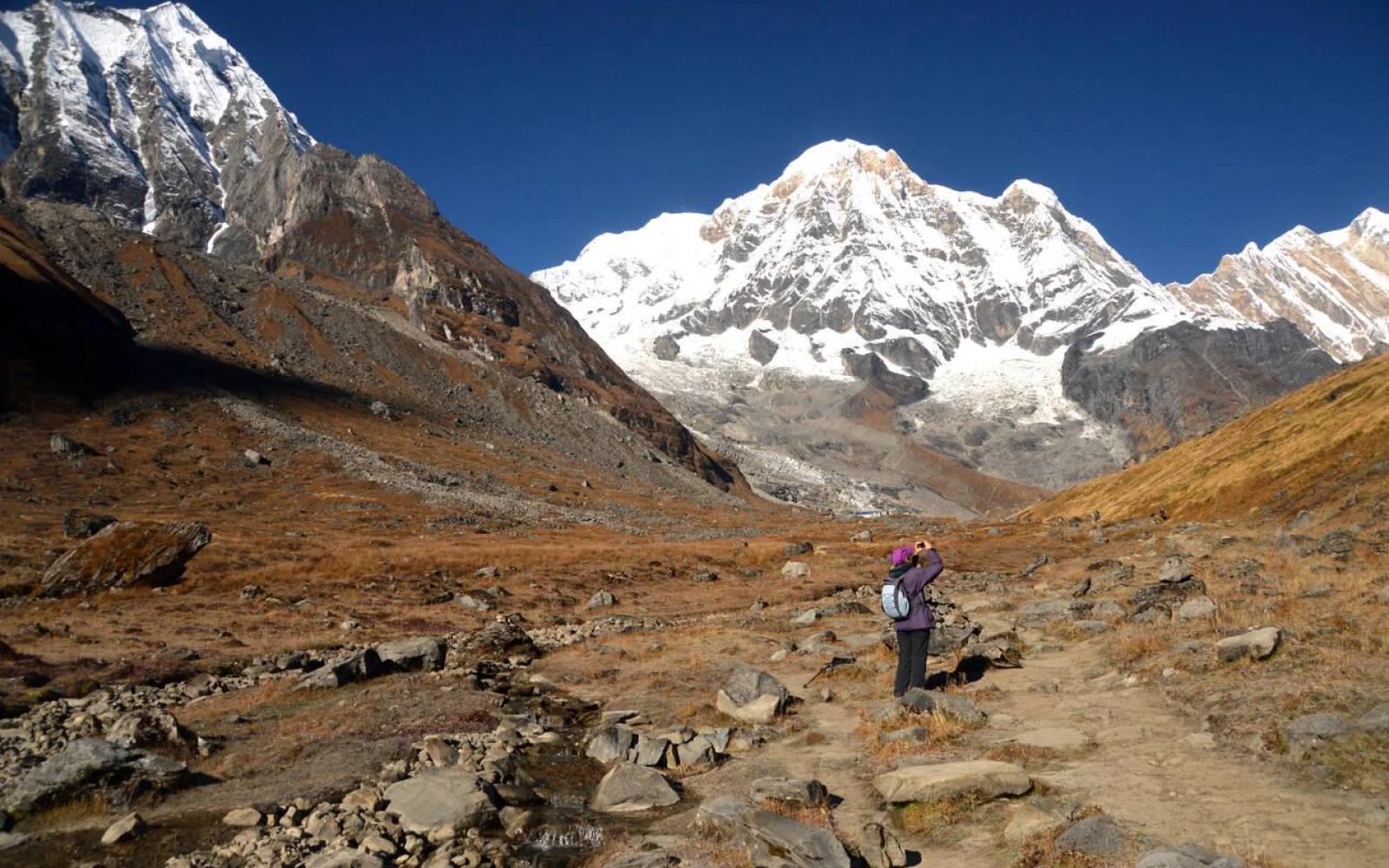
Annapurna Base Camp (ABC) trekking is one of the most iconic journeys in the Himalayas, offering stunning views of towering peaks, diverse landscapes, and a culturally immersive experience. With 2026 on the horizon, the question arises: Is it safe and feasible for solo female adventurers to undertake this trek? The short answer is yes, with proper preparation, awareness, and support from experienced trekking companies like Plan Nepal Trek & Expedition.
Solo female trekkers today benefit from increased accessibility, enhanced safety infrastructure, and a supportive trekking community. Many women are now exploring remote trails independently, empowered by both technology and the growing trend of female-focused trekking groups. ABC trekking, while moderately challenging, can be completed solo safely when trekkers follow standard safety protocols, maintain local connections, and stay informed about weather conditions and trail updates.
Trekking solo in the Himalayas has grown as a bold and empowering choice for women seeking adventure, self-discovery, and personal growth. The region’s trails, ranging from moderate to challenging, provide the perfect setting for those looking to experience nature and culture without the constraints of group travel. Solo female trekkers are now joining a global trend where women explore high-altitude trails, proving that careful planning and the right support make the adventure not just possible, but profoundly rewarding.
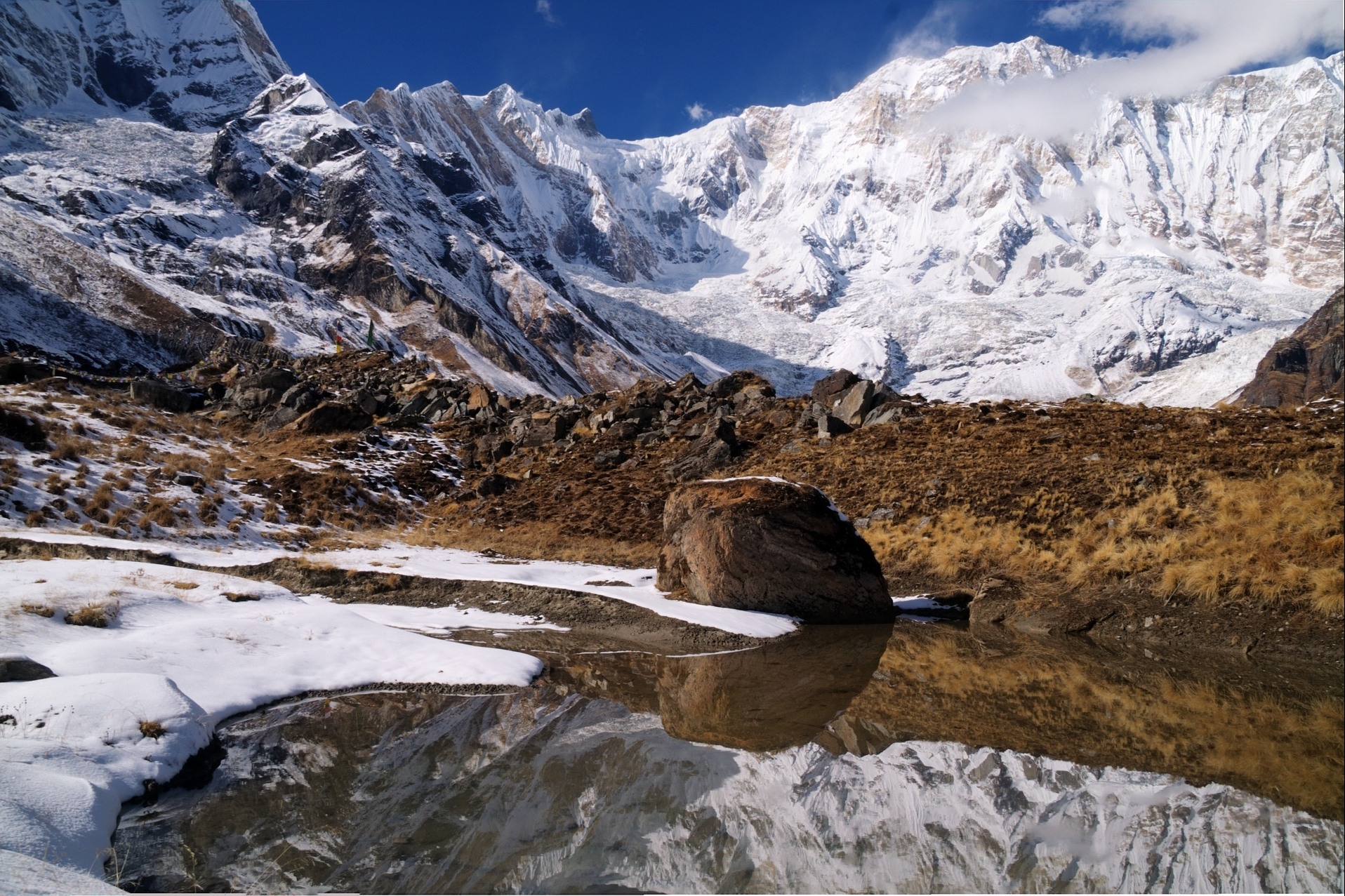
In 2026, trekking in Nepal for solo female adventurers is more accessible than ever. Modern technology, online communities, and trekking companies like Plan Nepal Trek & Expedition ensure that female trekkers have access to guidance, safety tips, and local expertise. Moreover, many lodges and tea houses along the ABC trail have adapted to cater to solo travelers, offering a secure environment to rest, socialize, and recharge.
Annapurna Base Camp is considered a dream destination for trekkers worldwide because it combines natural beauty, cultural richness, and manageable trekking difficulty. The trail passes through rhododendron forests, charming villages, and alpine meadows before reaching the majestic base camp, which sits at an altitude of approximately 4,130 meters. For solo female adventurers, ABC offers a unique blend of challenge and safety due to its well-established route and numerous tea houses along the way.
Additionally, ABC trekking provides an unparalleled Himalayan panorama that includes peaks such as Annapurna South, Machapuchare (Fishtail), and Hiunchuli. Beyond the scenery, trekkers also encounter traditional Gurung and Magar communities, giving an authentic cultural experience. These factors combine to make ABC not only a physically rewarding trek but also a deeply enriching personal journey.
The trend of women trekking alone in 2026 is expected to rise significantly due to changing societal attitudes, increased awareness of solo travel safety, and inspiring stories of female adventurers. Women are increasingly seeking travel experiences that allow for personal growth, independence, and connection with nature. In Nepal, trekking companies like Plan Nepal Trek & Expedition have observed a steady increase in solo female bookings, particularly for iconic treks such as Annapurna Base Camp.
This trend is also supported by global digital communities and social media, where solo female trekkers share safety tips, trail advice, and motivational stories. Local Nepalese communities have become more accustomed to female solo trekkers, making interactions smoother and more secure. Consequently, 2026 promises to be a landmark year for female adventurers who wish to undertake ABC trekking independently while enjoying the support of reliable trekking services.
The Annapurna Base Camp (ABC) trek is a world-renowned journey that attracts adventurers seeking spectacular Himalayan scenery and a culturally immersive experience. The trail typically starts from Pokhara, winding through picturesque villages like Ghandruk and Chomrong, lush rhododendron forests, and terraced farmlands. Trekkers gradually ascend to the base camp, located at approximately 4,130 meters (13,550 feet), providing a close-up view of majestic peaks including Annapurna South, Machapuchare (Fishtail), and Hiunchuli. The terrain is a mix of well-marked dirt paths, stone steps, and moderate inclines, making it suitable for trekkers with a reasonable level of fitness.
The trek’s duration usually ranges between 7 and 12 days, depending on the chosen route, acclimatization schedule, and pace. One of the advantages for solo female adventurers is the well-established network of tea houses and lodges along the trail, which provides secure accommodation, meals, and opportunities to meet fellow trekkers. Choosing the right season is also critical: the best windows for ABC trekking are pre-monsoon (March–May) for blooming rhododendrons and clear skies, or post-monsoon (September–November) for crisp weather and excellent mountain visibility. Trekking with experienced operators like Plan Nepal Trek & Expedition ensures proper planning, itinerary customization, and guidance throughout the journey.
Safety is a top priority for solo female trekkers, and the Annapurna Base Camp trek is manageable with proper precautions. Common risks include altitude sickness, sudden weather changes, and minor injuries such as slips or sprains. Staying well-acclimatized, traveling at a comfortable pace, and carrying essential medical supplies are crucial steps in mitigating these risks. Trekking with a reliable company like Plan Nepal Trek & Expedition can further reduce hazards, as they provide experienced guides, updated trail information, and emergency support if needed.
Understanding local regulations and obtaining the necessary trekking permits is another key aspect of a safe journey. Solo trekkers must secure the Annapurna Conservation Area Permit (ACAP) and the Trekkers’ Information Management System (TIMS) card before starting the trek. These permits not only ensure legal compliance but also allow local authorities to monitor trekkers for safety purposes. Additionally, engaging with local communities and guides promotes both security and cultural respect, as these interactions help solo female trekkers navigate the trail confidently and responsibly.
Trekking to Annapurna Base Camp (ABC) requires moderate to high physical fitness due to the altitude, uneven terrain, and multi-day walking. Preparing your body in advance is crucial for a safe and enjoyable trek. Recommended training routines include cardiovascular exercises like running, cycling, or brisk walking to improve stamina, and strength training focused on legs, core, and back to handle uphill climbs and carrying a daypack. Practicing hiking on varied terrain with a loaded backpack is particularly effective in simulating real trek conditions.
Health checks are essential before attempting high-altitude trekking. Solo female adventurers should consult a doctor to ensure there are no underlying health conditions that could worsen with exertion or altitude exposure. Understanding altitude acclimatization is also vital; ascending gradually, incorporating rest days, staying hydrated, and monitoring for symptoms of altitude sickness can prevent complications. Trekking with a reputable company like Plan Nepal Trek & Expedition ensures guidance on pacing, acclimatization schedules, and emergency support, making the trek safer and more comfortable for solo travelers.
Having the right gear is critical for a safe and enjoyable ABC trek, especially for solo female adventurers. Trekking clothing should be layered to adapt to changing temperatures, including moisture-wicking base layers, insulating mid-layers, and a waterproof outer shell. Durable trekking boots with good ankle support, thermal socks, gloves, and a warm hat are essential for cold mornings and higher altitudes. Solo trekkers should also carry a comfortable daypack with a rain cover, reusable water bottles, and trekking poles for stability.
In addition to clothing and basics, tech gadgets and safety tools greatly enhance security and connectivity. A smartphone with GPS and trekking apps, a power bank, a headlamp, and a portable charger are highly recommended. Solo female trekkers may also carry a personal safety alarm, a whistle, and a small first-aid kit. Proper packing, combined with advice from experienced guides from Plan Nepal Trek & Expedition, ensures that all essentials are covered without overloading the backpack, allowing for a smooth and confident trekking experience.
Accommodation along the Annapurna Base Camp (ABC) trail is well-developed and caters to a range of needs for solo female trekkers. Most travelers stay in tea houses or lodges, which provide simple rooms, hot meals, and sometimes Wi-Fi access. Tea houses are abundant along the trail, especially in villages like Ghandruk, Chomrong, and Deurali, offering a safe and comfortable environment for women trekking alone. For those seeking a more adventurous experience, camping is also an option, particularly in less frequented areas, but it requires carrying additional gear and securing permits.
Finding safe and comfortable stays is essential for solo female trekkers. Booking accommodations in advance during peak trekking seasons (spring and autumn) ensures availability. Choosing lodges recommended by trekking agencies like Plan Nepal Trek & Expedition adds an extra layer of safety and reliability. Solo trekkers should also check for clean bedding, secure locks, and well-lit areas. Engaging with local staff and fellow trekkers can provide useful insights on the best places to stay each night.
Budgeting for ABC trekking in 2026 requires understanding accommodation, food, transportation, permits, and guide fees. On average, solo female trekkers can expect to spend $25–$40 per day on mid-range tea house accommodation and meals. Trekking permits, such as the ACAP permit and TIMS card, typically cost around $50–$60 combined. Hiring a local guide or porter adds safety and convenience, which may cost $20–$30 per day, depending on the services provided.
Cost-saving strategies exist without compromising safety or comfort. Staying in less popular lodges, cooking your own meals when facilities allow, and sharing rooms or porter services with other trekkers can reduce expenses. Traveling with Plan Nepal Trek & Expedition ensures transparent cost estimates, reliable services, and guidance to balance budget with safety and comfort. Planning finances in advance also allows solo trekkers to enjoy the journey stress-free, focusing on the experience rather than unexpected expenses.
Navigating the Annapurna Base Camp trail alone is entirely possible for solo female adventurers, especially with preparation and local guidance. The main route is well-marked and widely used, passing through key villages like Tikhedhunga, Ghandruk, Chomrong, and Deurali before reaching ABC. Landmarks, signage, and maps make navigation easier, but carrying a GPS-enabled smartphone or trekking app is recommended for extra security. Trekking agencies like Plan Nepal Trek & Expedition provide detailed route plans and on-demand advice to ensure trekkers stay on course.
Staying connected with locals and fellow trekkers enhances safety and the overall experience. Tea houses and lodges are excellent hubs for socializing, asking for trail information, or arranging guided excursions. Learning a few basic Nepali phrases and respecting local customs fosters trust and smoother interactions. Solo female trekkers are encouraged to maintain regular check-ins with family or trekking guides, either via mobile networks or satellite communication tools in remote areas, ensuring both safety and peace of mind.
Trekking to Annapurna Base Camp is not just about stunning mountain views—it is also an opportunity to experience the rich culture of Nepal’s Annapurna region. The area is home to diverse communities, including Gurung, Magar, and other ethnic groups, each with unique traditions, languages, and religious practices. Solo female adventurers should be mindful of local customs, dress modestly, and ask permission before taking photographs of people or religious sites. Showing respect for local practices not only fosters goodwill but also enriches the trekking experience.
Beyond etiquette, the Annapurna trail offers many opportunities for immersive cultural experiences. Trekkers can stay with local families in homestays, participate in traditional meals, or observe festivals if visiting during seasonal events. Villages like Ghandruk and Chomrong offer cultural museums and guided tours, providing insights into the history, music, and crafts of the region. Agencies like Plan Nepal Trek & Expedition can help solo female trekkers plan authentic interactions while ensuring safety, guidance, and respectful engagement with local communities.
Many solo female adventurers have completed the Annapurna Base Camp trek, providing inspiring examples of courage, resilience, and independence. Women often share stories of personal growth, such as overcoming fears of high-altitude challenges, navigating trails alone, and forming unexpected friendships with fellow trekkers. These accounts highlight how proper preparation, confidence, and support from experienced trekking agencies like Plan Nepal Trek & Expedition can make the journey both safe and transformative.
Lessons learned from these experiences emphasize practical and emotional aspects of solo trekking. Trekkers advise pacing yourself, listening to your body, and maintaining a flexible itinerary. Building connections with locals, fellow trekkers, and guides enhances safety, comfort, and enjoyment. Mental preparation—embracing solitude, staying positive during difficult sections, and celebrating small achievements also plays a vital role in the success of a solo trek. These real-life insights encourage new solo female adventurers to embark on ABC trekking with confidence, knowing that challenges are manageable and rewards are immense.
Annapurna Base Camp (ABC) trekking in 2026 is absolutely feasible for solo female adventurers, provided careful planning, preparation, and support are in place. The trail is well-marked, with established tea houses, lodges, and emergency facilities, making it suitable for independent trekkers. Balancing adventure with safety is key: understanding your physical limits, pacing yourself, and being prepared for altitude changes can turn this challenging trek into a rewarding and life-changing experience. Solo trekking allows women to explore the Himalayas on their own terms, build confidence, and experience personal growth.
Expert recommendations from seasoned guides and trekking companies, like Plan Nepal Trek & Expedition, highlight the importance of structured preparation. This includes physical training, gear selection, obtaining proper permits, following local etiquette, and maintaining connectivity with guides or support networks. The final verdict is clear: with the right planning and mindset, solo female trekking to ABC in 2026 is not only possible but can be exceptionally empowering. Experienced guides also provide reassurance, local knowledge, and contingency plans, making the trek both safe and enjoyable for independent women travelers.
In conclusion, solo female trekking to Annapurna Base Camp in 2026 is a highly achievable adventure that combines breathtaking Himalayan landscapes, cultural immersion, and personal empowerment. Preparation is paramount: physical fitness, gear readiness, safety measures, and knowledge of local culture form the foundation of a successful trek. By following structured guidance from agencies like Plan Nepal Trek & Expedition, women can mitigate risks while enjoying the freedom and joy of trekking independently.
This journey is not just about reaching the base camp; it is about self-discovery, resilience, and creating unforgettable memories. Solo female adventurers are encouraged to embrace challenges, connect with local communities, and remain mindful of personal safety. With proper planning, cultural awareness, and support, Annapurna Base Camp trekking becomes an inspiring opportunity for women to confidently explore the Himalayas and achieve a sense of empowerment that lasts far beyond the trek.

The Everest Base Camp (EBC) Trek is one of the world’s most iconic trekking routes, attracting adventurers from across the globe. For beginners, it offers a unique blend of breathtaking mountain scenery, rich Sherpa culture, and a thrilling challenge. Standing at approximately 5,364 meters (17,598 feet), Everest Base Camp is the starting point

The Manaslu Circuit Trek is a hidden gem among Nepal’s trekking routes — remote, rugged, and remarkably untouched. Offering breathtaking views of Mount Manaslu (8,163m), dramatic landscapes, and culturally rich Tibetan-influenced villages, this circuit gave us


 (2)
(2)  100% recommend (0)
 (0)
(0) 


