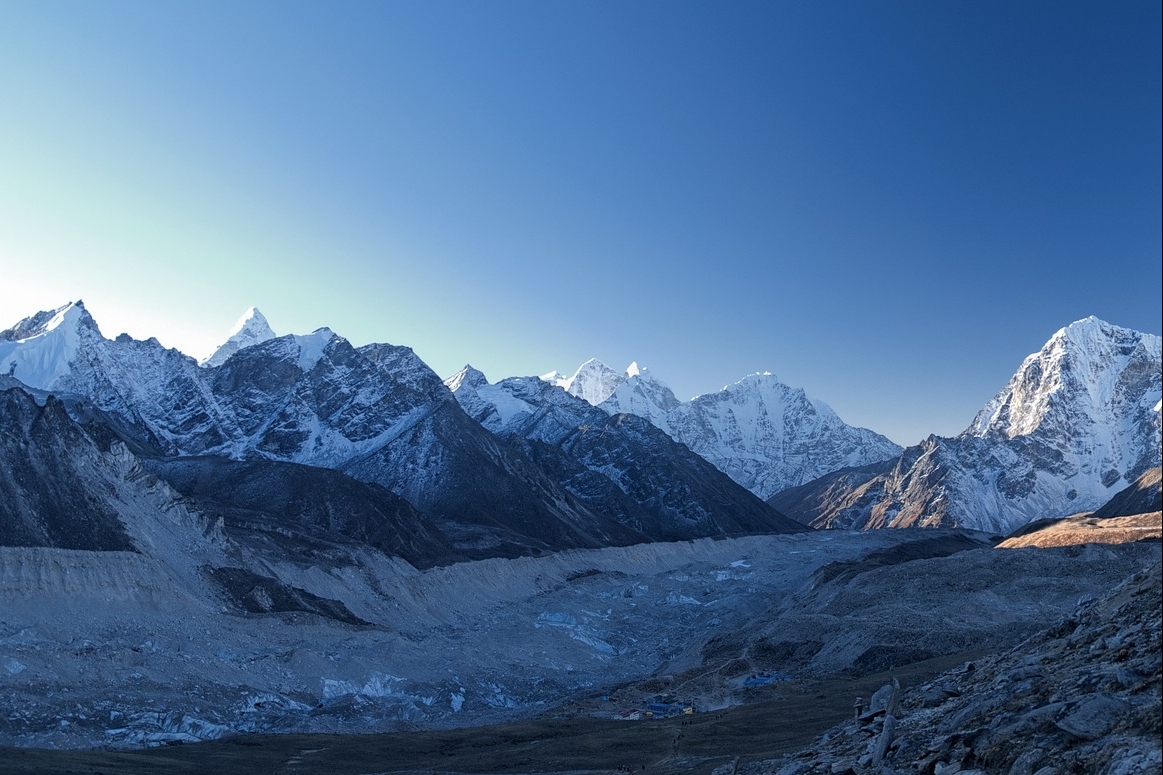
One of the most iconic and exhilarating trekking routes in the world, the Everest Base Camp (EBC) trek offers a once-in-a-lifetime experience that truly surpasses all expectations. Situated in the heart of the Himalayas, this trek leads adventurers to the base camp of the world’s highest peak—Mount Everest (8,848 meters). The trek immerses travelers in breathtaking natural beauty, where four of the six tallest mountains on Earth—Mt. Everest, Mt. Lhotse, Mt. Makalu, and Mt. Cho Oyu—stand majestically against the sky. The towering ridges and rugged terrain form a stunning backdrop for trekkers, creating an unforgettable adventure that combines physical challenge with awe-inspiring scenery.Beyond the magnificent landscapes, the Everest Base Camp Trek offers a deep cultural immersion into the Sherpa way of life. The Sherpa people, known for their resilience and mountaineering prowess, add a rich cultural layer to this trek. Visitors have the unique opportunity to visit ancient monasteries such as the 500-year-old Tengboche Monastery, which is nestled amidst stunning mountain views and is a spiritual haven. Trekking through Sagarmatha National Park, a UNESCO World Heritage Site, trekkers witness diverse Himalayan flora and fauna in pristine wilderness. The trek culminates with the climb to Kala Patthar (5,545 meters), providing panoramic vistas of Everest and surrounding peaks at sunrise. This journey, regarded as the grandest trek in the Himalayas, begins from the bustling airstrip of Lukla and winds through Sherpa villages, rhododendron forests, and glacial landscapes. Plan Nepal Trek & Expedition expertly organizes this 14-day itinerary, carefully designed to balance acclimatization and adventure, ensuring trekkers have a safe, fulfilling, and life-enriching experience.Best Time for Everest Base Camp TrekChoosing the right time to embark on the Everest Base Camp Trek is crucial for a rewarding experience, both in terms of weather conditions and trekking safety. The best times to trek to Everest Base Camp are during the pre-monsoon (spring) season, from late February to May, and the post-monsoon (autumn) season, from late September to early December. These windows offer the clearest skies, stable weather, and the most breathtaking views of the Himalayan peaks. Springtime is particularly magical as the rhododendron forests burst into vibrant colors, enhancing the natural beauty of the trail. Autumn, on the other hand, offers crisp air and excellent visibility, making it perfect for capturing stunning photographs of Everest and its neighboring summits.Winter trekking is possible but not recommended for most travelers due to extreme cold and the risk of heavy snowfall, which can make the trail difficult and dangerous. Summer monsoon season, from June to August, brings heavy rains and increased risk of landslides and trail erosion, often obscuring mountain views with thick clouds. However, the monsoon season does bring lush greenery and fewer trekkers, which some adventurers may prefer. For a well-rounded experience, Plan Nepal Trek & Expedition advises travelers to plan their trek during the peak seasons, when the weather is most stable and the trails are bustling with fellow trekkers and vibrant local culture. Regardless of the season, the company’s experienced guides ensure safety and comfort throughout the journey.Everest Base Camp Trekking DifficultyThe Everest Base Camp Trek is classified as a moderate to challenging trek, demanding a reasonable level of physical fitness and mental endurance. The trek is approximately 130 kilometers round trip and involves trekking at high altitudes, reaching a maximum elevation of 5,545 meters at Kala Patthar. The trail covers rugged terrain, including steep ascents, descents, and sometimes rocky or icy paths, especially as you approach higher altitudes. One of the biggest challenges for trekkers is the risk of altitude sickness, which is why proper acclimatization days are incorporated into the itinerary. These rest days at Namche Bazaar and Dingboche allow the body to adjust to the thinning air, reducing the risk of serious health issues.While the trek requires stamina and careful preparation, it does not involve technical climbing skills, making it accessible to adventurous travelers with good physical conditioning. Daily walking hours vary from 4 to 7 hours, allowing trekkers to set a sustainable pace. Proper hydration, gradual ascent, and a well-balanced diet play a crucial role in maintaining energy levels. Plan Nepal Trek & Expedition supports trekkers with experienced guides who monitor health conditions and provide essential advice, ensuring each trekker’s safety. The support team also handles logistics, accommodation, and meals, so trekkers can focus on enjoying the journey and the spectacular Himalayan environment. With the right preparation and guidance, the Everest Base Camp trek is an achievable and immensely rewarding challenge.Food and Accommodation for Everest Base Camp TrekDuring the Everest Base Camp Trek, trekkers can expect to experience a variety of delicious and nourishing meals, carefully tailored to fuel the body for the high-altitude adventure. At lower elevations and in Kathmandu, you will find a range of Nepalese, Tibetan, and international dishes, including momos (dumplings), dal bhat (lentil soup with rice), noodles, soups, and hearty stews. As the trek progresses, the menu shifts slightly due to the remoteness of the region and the challenges of transporting food. Despite this, the lodges along the trail provide nutritious meals, often featuring locally sourced ingredients. Meals generally include breakfast, lunch, and dinner, with options to accommodate vegetarian and other dietary preferences. Hot beverages like tea, coffee, and hot lemon water are commonly served and provide comfort in cold weather.Accommodation during the trek is primarily in tea houses and lodges, offering basic yet comfortable facilities that reflect the remote Himalayan environment. The lodges typically feature shared dormitories or private rooms with simple beds and blankets. Facilities such as western-style or squat toilets and hot showers are available at most stops, although amenities may become more basic at higher altitudes. Despite modest accommodations, these lodges provide warmth, rest, and a chance to mingle with fellow trekkers and local Sherpa hosts. Plan Nepal Trek & Expedition ensures that accommodation arrangements maintain a balance between comfort and authenticity, supporting local communities while providing trekkers a safe and welcoming place to relax each evening. This blend of hearty food and cozy lodging contributes significantly to the overall trekking experience.Why Choose Everest Base Camp Trek with Plan Nepal Trek & ExpeditionChoosing the right trekking company can make all the difference between an ordinary trek and an extraordinary adventure. Plan Nepal Trek & Expedition (P.) Ltd. stands out as one of Nepal’s premier expedition companies, renowned for professionalism, safety, and personalized service. The company boasts a team of highly experienced guides, porters, and support staff who are dedicated to making your Everest Base Camp Trek smooth, safe, and memorable. With a commitment to responsible tourism, Plan Nepal Trek ensures sustainable practices that benefit local Sherpa communities and preserve the pristine environment of the Everest region.Plan Nepal Trek & Expedition offers expertly curated itineraries that emphasize acclimatization, safety, and cultural immersion, catering to a range of trekking preferences and fitness levels. From the moment you arrive in Kathmandu until your final departure, the team manages all logistics—from flights, permits, and accommodations to meals and emergency support. Their guides possess deep knowledge of the region’s geography, culture, and history, enriching the trek with storytelling and insights. The company’s long-standing relationships with local communities mean that trekkers experience authentic Sherpa hospitality and gain deeper cultural understanding. When you choose Plan Nepal Trek & Expedition, you are not just signing up for a trek—you are embarking on a transformative journey guided by passionate professionals dedicated to making your Everest Base Camp adventure safe, enjoyable, and unforgettable.
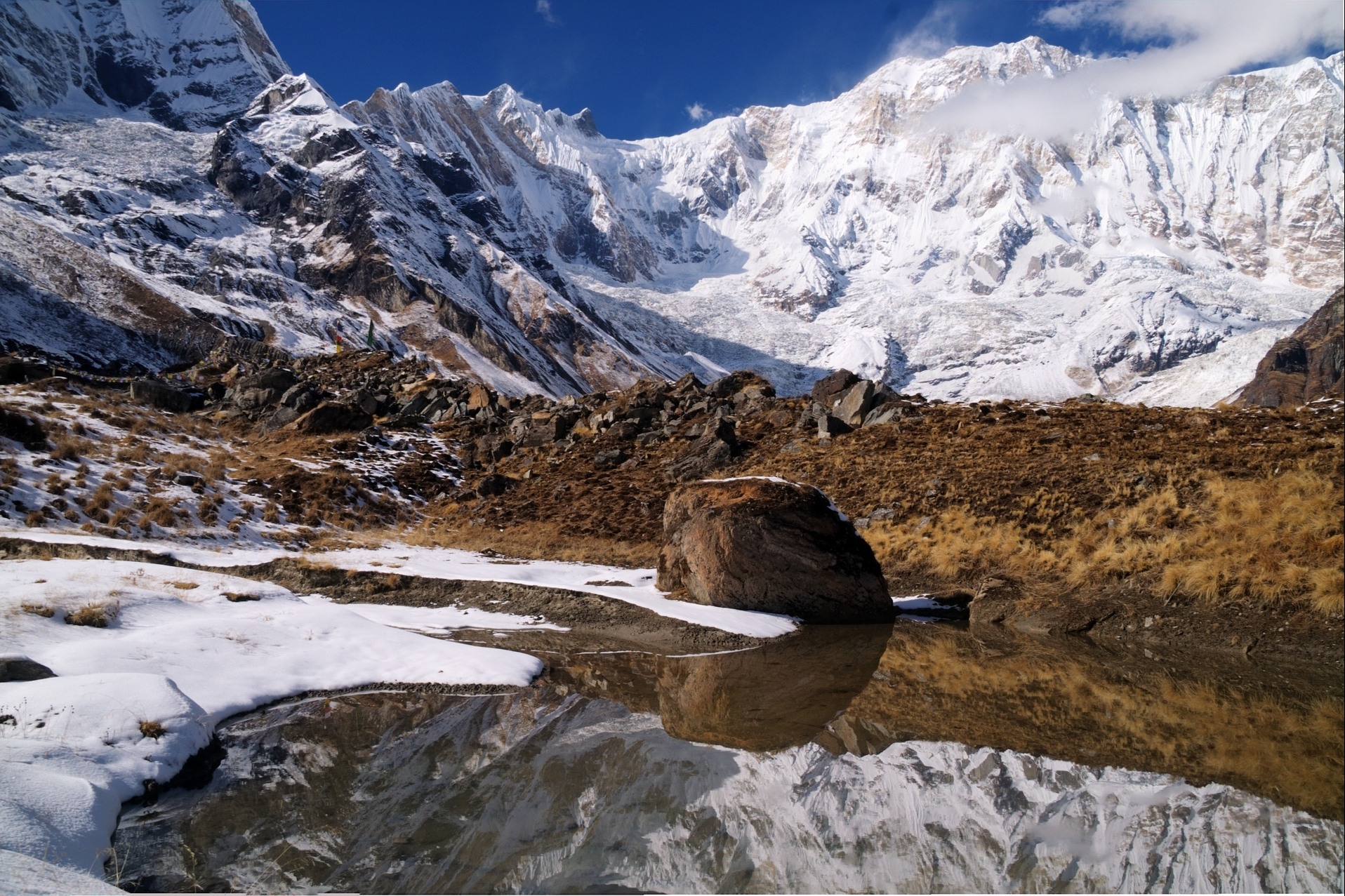
Lying in the north of Pokhara, Annapurna Base Camp (ABC) is one of the most stunning trekking destinations in the Himalayas. At an altitude of 4,130 meters (13,550 ft), the Annapurna Base Camp sits in a glacial basin surrounded by a ring of some of the highest peaks in Nepal — including Annapurna I (8,091m), Annapurna South, Machhapuchhre (Fishtail), Hiunchuli, Gangapurna, and Tent Peak. This high-altitude amphitheater is known as the Annapurna Sanctuary, revered not just for its breathtaking natural beauty but also for its spiritual significance. Local legends speak of this place being home to Annapurna and Gangapurna, Hindu goddesses of harvest and purity, making the journey a sacred experience for many.The trek to Annapurna Base Camp is a moderate adventure that combines cultural exploration with natural grandeur. Starting from the lush valleys and terraced farmland around Nayapul and Tikhedhunga, trekkers journey through dense rhododendron and oak forests, across picturesque Gurung and Magar villages, and alongside cascading waterfalls and fast-flowing rivers. As the altitude increases, the landscape transitions from sub-tropical vegetation to alpine meadows and finally to rocky terrain and glacial moraines.The journey offers a rare 360-degree panorama of Himalayan giants, and sunrise views from Poon Hill are nothing short of magical. Whether you're a seasoned trekker or a first-time visitor to Nepal, the ABC trek promises unforgettable moments. Plan Nepal Trek & Expedition (P.) Ltd. ensures that you experience all of this with professionalism, safety, and comfort. With experienced guides, tailored itineraries, and seamless logistics, we help turn your dream Himalayan adventure into reality.Best Time for Annapurna Base Camp TrekThe ideal time to undertake the Annapurna Base Camp trek largely depends on weather conditions and visibility, both of which vary significantly throughout the year. However, the two best seasons for this trek are spring (March to May) and autumn (September to November).During spring, nature comes alive with blooming rhododendrons, lush greenery, and vibrant trails. The temperatures are moderate, ranging between 10°C to 20°C in lower altitudes, and skies are generally clear, providing crystal-clear views of the Annapurna ranges. Wildlife is more active in this season, making it an excellent time for birdwatching and photography.Autumn, especially from mid-September to late November, is considered the peak trekking season in Nepal. After the monsoon clears the dust and pollution, the air becomes crisp and visibility improves dramatically. The climate is perfect for trekking – dry days, cool nights, and less chance of precipitation. This season also coincides with major Nepali festivals like Dashain and Tihar, offering trekkers a chance to witness vibrant local culture.Winter (December to February) can also be a good time for experienced trekkers looking to avoid crowds, but trails may be icy or snow-covered, especially above 3,000m. Monsoon season (June to August) is not recommended due to slippery trails, leeches, and frequent landslides. Therefore, planning your trek with Plan Nepal Trek & Expedition during spring or autumn ensures you get the best weather, panoramic views, and a memorable Himalayan experience.Annapurna Base Camp Trekking DifficultyThe Annapurna Base Camp Trek is considered a moderate-level trek, making it suitable for trekkers with a reasonable level of physical fitness, even without high-altitude experience. The trek usually spans 10 to 14 days, covering approximately 115 kilometers round trip. It’s not a technical climb but includes several steep ascents and descents, stone steps, and suspension bridge crossings.One of the main challenges is altitude gain. You start at around 800 meters in Pokhara and gradually ascend to 4,130 meters at ABC. Though the ascent is spread across several days, some trekkers may feel symptoms of Altitude Sickness (AMS), especially from Deurali upwards. To minimize risk, proper acclimatization, hydration, and pacing are crucial. The route allows for relatively gradual acclimatization compared to other Himalayan treks.Weather conditions also impact difficulty. Trails can be slippery and dangerous during the monsoon or winter seasons due to rain, snow, or landslides. In contrast, spring and autumn provide more favorable conditions, making the trek safer and more enjoyable.Plan Nepal Trek & Expedition ensures all trekkers are well-informed and supported. Our expert guides monitor your health, suggest safe walking paces, and provide alternative routes or rest days if needed. With the right preparation, even first-time trekkers can successfully complete this beautiful journey to the heart of the Annapurna Himalayas.Food and Accommodation for Annapurna Base Camp TrekThe Annapurna Base Camp trek offers a wide range of teahouse accommodations that provide simple yet cozy lodging with basic facilities. From the starting point at Nayapul to the base camp itself, you'll find small family-run lodges offering clean beds, warm blankets, and communal dining areas. Rooms are usually twin-sharing with shared bathrooms, but some lodges offer attached bathrooms at lower altitudes.Food on the trail is both nutritious and satisfying, with an emphasis on local Nepali cuisine. A typical menu includes dal bhat (rice with lentils and vegetables), momos (dumplings), noodles, fried rice, pasta, soups, and pancakes. Dal Bhat is especially popular as it offers a high-calorie intake for energy-intensive trekking. You’ll also find hot drinks like tea, coffee, and lemon-ginger honey tea, perfect for cold mornings and evenings.As you ascend, the variety of food options may decrease slightly, and prices increase due to the effort it takes to transport supplies to remote areas. Drinking water is available at most lodges, either boiled or filtered, though trekkers are advised to carry water purification tablets or filters to reduce plastic bottle waste.With Plan Nepal Trek & Expedition, we ensure that all lodges used on the trek meet standards of hygiene and comfort. Our guides assist in ordering meals, translating menus, and ensuring your dietary preferences or restrictions are met. Our goal is to keep you well-fed and well-rested, so you can focus entirely on enjoying the incredible scenery and culture that surrounds you.Why Choose Annapurna Base Camp TrekThe Annapurna Base Camp Trek is one of the most rewarding and diverse treks in the Himalayas, making it a favorite among trekkers worldwide. Unlike other high-altitude treks that demand technical expertise, the ABC trek combines accessibility with stunning natural beauty, making it suitable for both beginners and seasoned hikers. From lush forests and terraced fields to glaciers and high-altitude meadows, the trek showcases a wide range of landscapes within a short span of time.Another unique aspect is the cultural immersion it offers. Along the way, you'll pass through traditional Gurung and Magar villages, interact with friendly locals, and witness their way of life. You'll also get to bathe in natural hot springs at Jhinu Danda, experience a majestic sunrise at Poon Hill, and trek beneath some of the world's highest peaks. These experiences offer not just adventure, but deep spiritual and cultural fulfillment.Choosing Plan Nepal Trek & Expedition (P.) Ltd. means you're partnering with a highly experienced and locally rooted trekking agency. We provide professional guides, secure logistics, safety-first planning, and personalized trekking itineraries that suit your pace and interest. Our focus is on delivering a responsible, ethical, and immersive Himalayan adventure. Whether it’s your first time in Nepal or your tenth, we ensure that every trek is an unforgettable journey.

The Langtang Gosaikunda Trek is an immaculate blend of natural beauty, cultural richness, adventure, and spiritual fulfillment. Nestled in the Langtang region of Nepal, this trek introduces you to the pristine wilderness of Langtang National Park, vibrant Tamang villages, lush forests, alpine meadows, and sacred lakes perched high in the Himalayas. From the thundering rivers of Trishuli to the silent stillness of Gosaikunda Lake, this journey is a remarkable way to witness the unspoiled charm of Nepal’s central Himalayas.The trail takes you through picturesque locations such as Syabrubesi, Lama Hotel, Langtang Valley, Kyanjin Gompa, and eventually leads to the sacred lakes of Gosaikunda. Along the way, trekkers are greeted with stunning panoramas of Langtang Lirung (7,227 m), Ganesh Himal, and even glimpses of Manaslu and Annapurna ranges on clear days. The trek also offers a cultural immersion into the Tibetan-influenced Tamang lifestyle and allows a visit to ancient monasteries, sacred chortens, and prayer flags fluttering in the mountain breeze.Best Time for Langtang Gosaikunda TrekkingThe ideal seasons for the Langtang Gosaikunda Trek are spring (March to May) and autumn (September to November). During these months, the skies are generally clear, the weather is dry and mild, and the mountain views are at their most spectacular. Spring also brings the blooming of rhododendrons, Nepal’s national flower, which fills the forests with vibrant colors, while autumn offers the crisp post-monsoon clarity with excellent visibility and stable conditions.Monsoon season, which extends from June to early September, is less favorable due to frequent rainfall, slippery trails, and the risk of landslides. Winter months (December to February) bring a different kind of beauty with snow-covered trails and frozen lakes, especially around Gosaikunda, but trekking at high altitudes can be more challenging due to extreme cold and snow. However, with proper gear and guidance, winter treks can be peaceful and less crowded.Langtang Gosaikunda Trekking DifficultyThe Langtang Gosaikunda Trek is considered a moderate to challenging trek, suitable for trekkers with a reasonable level of fitness and some hiking experience. The trail includes gradual ascents and descents through forested trails, high-altitude ridgelines, and narrow valleys. The highest point of the trek is the Lauribina Pass (4,610 meters), which can pose a challenge due to the altitude and steep terrain.Altitude sickness is a potential concern as you ascend above 3,000 meters, particularly when approaching Gosaikunda. Acclimatization days, such as the one at Kyanjin Gompa, help mitigate the risk. The terrain is not technically difficult, but the length of trekking days (5–7 hours) combined with elevation gain can be physically demanding. With proper preparation, a steady pace, and the guidance of experienced professionals from Plan Nepal Trek & Expedition, the journey is both achievable and rewarding.Food and Accommodation for Langtang Gosaikunda TrekAlong the Langtang Gosaikunda trail, trekkers can expect to stay in local teahouses or lodges, which offer basic but comfortable accommodation. Rooms are generally twin-sharing with shared toilets, and bedding such as blankets is provided, though it’s recommended to bring a sleeping bag for warmth. These teahouses are often family-run, offering a cozy, homely environment that lets you connect with local hospitality and culture.In terms of food, the trekking route provides a variety of options ranging from traditional Nepali dal bhat (rice, lentils, and vegetables) to international dishes like pasta, noodles, pancakes, and fried rice. While the menu choices are more limited in higher altitudes, meals are freshly prepared and nutritious. Plan Nepal Trek & Expedition ensures hygienic food, filtered or boiled drinking water, and special dietary accommodations upon request.Why Choose Langtang Gosaikunda Trek?The Langtang Gosaikunda Trek stands out for its fusion of natural beauty, cultural exploration, and spiritual significance. Unlike the more commercialized trails in the Everest or Annapurna regions, this trek offers a more off-the-beaten-path experience with fewer crowds and raw Himalayan charm. The highlight of the trek is the sacred Gosaikunda Lake, believed by Hindus to have been created by Lord Shiva, attracting both pilgrims and adventurers alike.Choosing this trek with Plan Nepal Trek & Expedition (P.) Ltd. guarantees a professionally organized adventure tailored to your needs, time, and budget. With a team of experienced guides, certified mountaineers, and support staff prioritizing your safety, comfort, and enjoyment, you can focus entirely on soaking in the magic of the Himalayas. The company’s local expertise and dedication to responsible tourism ensure that your trek is meaningful, sustainable, and memorable.


 (2)
(2)  100% recommend (0)
 (0)
(0) 


