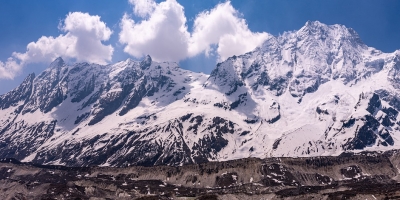
The Manaslu Circuit Trek is one of Nepal’s most celebrated and pristine trekking experiences, offering a perfect blend of adventure, cultural discovery, and natural beauty. Managed by Plan Nepal Trek & Expedition, this 17-day journey takes you through one of the least explored yet most rewarding regions in the Himalayas. Unlike the more commercialized treks of Everest or Annapurna, Manaslu remains an off-the-beaten-path adventure that is rich in biodiversity, ancient Buddhist heritage, and breathtaking Himalayan vistas. The trek circles around Mt. Manaslu (8,163m), the world’s eighth highest peak, offering surreal panoramic views and a true sense of isolation and wilderness.The trail begins at Soti Khola after a scenic drive from Kathmandu and meanders through lush subtropical forests, deep river gorges, suspension bridges, traditional Gurung and Tibetan-influenced villages, and high alpine pastures. Along the way, trekkers witness ever-changing landscapes — from rice terraces and rhododendron forests to snowy ridgelines and glacier-fed rivers. Key highlights include crossing the dramatic Larkya La Pass (5,106m), visiting the serene Samagaon, and exploring the peaceful Pungyen Gompa, nestled beneath the Manaslu Glacier. Every village along the way reflects a unique blend of Nepalese and Tibetan culture, offering a spiritual and cultural immersion rarely found elsewhere.With a carefully crafted itinerary by Plan Nepal Trek & Expedition, trekkers not only enjoy the natural beauty but also receive professional guidance, safety, and logistical support throughout the journey. Whether you're a seasoned trekker or a first-time visitor to the Himalayas, the Manaslu Circuit Trek promises an enriching experience filled with challenge, tranquility, and discovery.Best Time for Manaslu Circuit TrekkingThe best time for trekking the Manaslu Circuit is during spring (March to May) and autumn (September to November). These seasons provide the most favorable weather, clearer skies, and stunning mountain visibility, which is essential when crossing high passes like Larkya La. Spring brings warmer temperatures and vibrant rhododendron blooms across the lower and mid-hills, making the trek especially scenic. It’s also a time when the trails are alive with birdlife and butterflies, adding charm to your journey.Autumn, however, is arguably the most popular season due to its stable weather and crisp air. The skies are usually crystal clear, offering unobstructed views of the Manaslu range and neighboring peaks. Additionally, the autumn season coincides with major Nepali festivals like Dashain and Tihar, providing a unique cultural touch to your trek. While monsoon (June to August) can make trails slippery and prone to landslides, and winter (December to February) brings extreme cold and snow to higher elevations, trekking during those months is only recommended for experienced adventurers.Booking your trek through Plan Nepal Trek & Expedition during the optimal seasons ensures not just safety and comfort, but also the opportunity to fully experience the awe-inspiring beauty and cultural richness of the Manaslu region. Our experienced guides monitor weather conditions and adapt routes accordingly, ensuring your journey is smooth, safe, and spectacular, no matter when you choose to go.Manaslu Circuit Trekking DifficultyThe Manaslu Circuit Trek is considered a moderately to highly challenging trek, best suited for those with a good level of physical fitness and some prior trekking experience. The trail spans approximately 177 kilometers (110 miles) and involves daily hikes of 6 to 8 hours on rugged and sometimes steep terrain. The most physically demanding part of the trek is crossing the Larkya La Pass (5,106m), a high mountain pass that requires stamina, acclimatization, and strong determination due to its steep ascent and unpredictable weather.Another challenge lies in the altitude gain. Starting from around 700 meters at Soti Khola, trekkers gradually ascend to over 5,000 meters, increasing the risk of altitude sickness if proper acclimatization is not observed. The itinerary offered by Plan Nepal Trek & Expedition includes multiple acclimatization days, especially in Samagaon and Samdo, to help trekkers adjust to the thinning air. Our guides are trained in altitude management and always carry emergency equipment such as oximeters and first aid kits.Despite its challenges, the Manaslu Circuit is a rewarding trek for those who are physically and mentally prepared. The trail is less crowded than others, offering a sense of solitude and connection with nature. With proper gear, planning, and the expert support of Plan Nepal Trek & Expedition, trekkers can confidently complete this journey and gain an incredible sense of achievement along with unforgettable memories of the Himalayas.Food and Accommodation for Manaslu Circuit TrekkingFood and accommodation during the Manaslu Circuit Trek have improved significantly in recent years, thanks to the growing popularity of the route. Plan Nepal Trek & Expedition ensures that trekkers have access to the best available tea houses and lodges throughout the journey. While the facilities may be more basic than those on the Everest or Annapurna trails, they are clean, comfortable, and offer a warm, welcoming atmosphere.Accommodation typically consists of local tea houses—small family-run lodges that provide a bed (usually twin sharing), blankets, and sometimes attached bathrooms in lower regions. At higher altitudes, rooms become more basic, and shared toilets are common. Hot showers are available in some places for an extra fee. Despite the simplicity, the hospitality of the local people makes the experience memorable.In terms of food, the trek offers a wide variety of traditional Nepali meals, such as the popular dal bhat (rice, lentils, and vegetables), as well as pasta, fried rice, momos, soup, pancakes, and Tibetan bread. Vegetarian options are plentiful, and Plan Nepal Trek ensures that meals are hygienically prepared and nutritionally adequate to sustain energy levels for long days of trekking. Trekkers are advised to drink plenty of fluids and stick to boiled or filtered water, which we provide regularly along the trail.Our company coordinates meal plans and accommodations in advance to guarantee availability, particularly during peak seasons. Whether you’re dining on a hearty meal in Namrung or sipping tea with locals in Samagaon, your comfort and nutrition are well taken care of throughout the trek.Why Choose Manaslu Circuit TrekkingChoosing the Manaslu Circuit Trek is choosing an authentic, enriching Himalayan adventure that blends nature, culture, and spiritual connection. Unlike more crowded routes such as Everest Base Camp or Annapurna Circuit, Manaslu remains a peaceful, off-the-beaten-path trek. Its diverse landscape—from subtropical valleys to glacial terrain—offers a microcosm of Nepal’s ecological zones. The cultural richness of the region, with its Tibetan-influenced villages, Buddhist monasteries, and ancient mani walls, makes the trek a profound journey into the heart of Himalayan heritage.Another compelling reason to choose this trek is the sheer dramatic beauty of Mt. Manaslu and surrounding peaks. The feeling of trekking in a remote wilderness, crossing one of the highest passes in Nepal, and witnessing life in isolated mountain villages is deeply rewarding. Whether you’re a photographer, nature enthusiast, or spiritual seeker, the Manaslu Circuit offers moments that resonate long after you return home.With Plan Nepal Trek & Expedition, your experience is elevated through professional planning, personalized service, and unwavering commitment to safety and sustainability. Our experienced guides, porters, and staff ensure that you are supported every step of the way. We handle permits, logistics, and acclimatization so you can focus entirely on your adventure. Choosing us means choosing a company with local knowledge, passion for trekking, and dedication to creating life-changing journeys in the Himalayas.
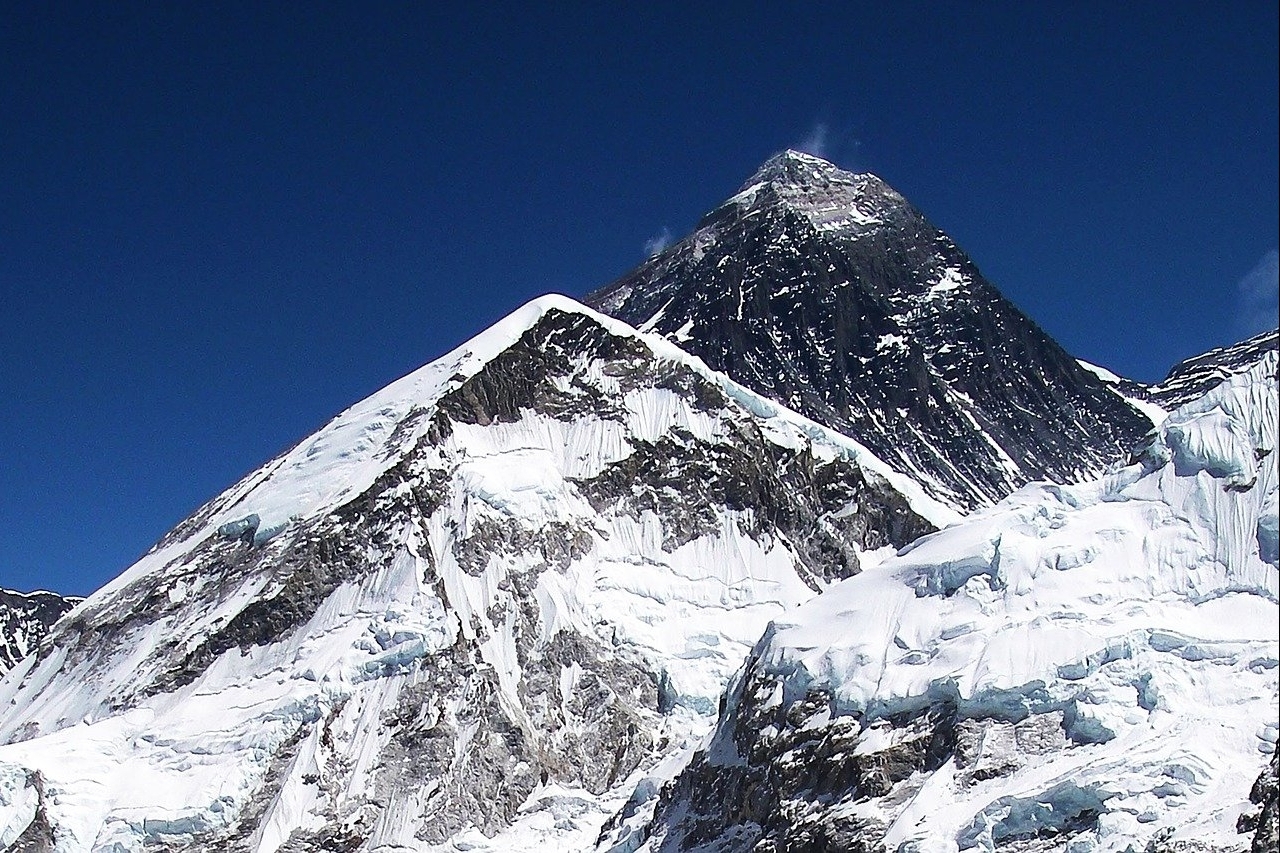
The Everest Three Pass Trek is one of the most exhilarating and challenging trekking adventures in the Khumbu region of Nepal. This trek takes you through the three major high passes of the Everest region: Renjo-La (5,300m), Cho-La (5,420m), and Kongma-La (5,545m). These passes connect the major valleys of the Everest area and offer trekkers breathtaking panoramic views of some of the world’s highest peaks, including Mount Everest, Lhotse, Makalu, Cho Oyu, and the iconic Ama Dablam. The journey is not only about the peaks but also the unique Himalayan landscapes, glaciers, alpine meadows, and traditional Sherpa villages. The opportunity to climb Gokyo Ri and Kala Pattar adds to the adventure, offering one of the best vantage points to witness the grandeur of the Himalayas.This trek is ideal for those seeking a strenuous and rewarding experience beyond the classic Everest Base Camp route. Although it demands physical endurance and a high level of fitness, the trek does not require technical climbing skills. Along the way, trekkers immerse themselves in Sherpa culture and hospitality, witnessing ancient Buddhist monasteries and experiencing the warm traditions of the mountain people. With Plan Nepal Trek & Expedition, you are assured expert guidance, meticulous planning, and support to make this demanding trek a life-changing experience.Best Time for Everest Three Pass TrekThe best time to undertake the Everest Three Pass Trek is during the pre-monsoon (spring) and post-monsoon (autumn) seasons. From late March to May, spring brings pleasant temperatures, blooming rhododendrons, and clear skies, making it a favorite time for trekkers. The weather is generally stable, and the mountain views are spectacular. Similarly, the autumn season, from late September to early December, offers crisp, cool air and clear visibility, allowing trekkers to enjoy stunning panoramic views of the Himalayan peaks.Winter (December to February) can be extremely cold, especially when crossing high passes, and heavy snowfall can pose risks, while the monsoon season (June to early September) brings heavy rain, cloud cover, and slippery trails, making trekking difficult and less enjoyable. Therefore, the spring and autumn seasons are highly recommended to ensure safety, comfort, and the best visual experience during this trek.Everest Three Pass Trekking DifficultyThe Everest Three Pass Trek is classified as a strenuous and challenging trek due to its high altitude, rugged terrain, and long trekking days. The three passes – Renjo-La, Cho-La, and Kongma-La – all rise above 5,000 meters, requiring trekkers to acclimatize properly to avoid altitude sickness. The trail involves steep ascents and descents, glacier crossings, and sometimes icy patches, demanding good physical fitness, stamina, and mental toughness.While no technical climbing skills are necessary, trekkers must be comfortable walking on uneven and sometimes slippery terrain. Daily trekking hours range from 4 to 9 hours depending on the section. The trek is suitable for experienced trekkers or those who have prior high-altitude trekking experience, but with proper preparation and guidance from Plan Nepal Trek & Expedition, even moderately fit adventurers can safely complete the journey.Food and Accommodation for Everest Three Pass TrekFood along the Everest Three Pass Trek mainly consists of traditional Nepali dishes such as dal bhat (rice and lentils), momos (dumplings), noodles, soups, and various vegetarian and non-vegetarian options available at teahouses and lodges. The meals are hearty and designed to provide the necessary energy for long trekking days. Tea and hot drinks are readily available to help keep warm in the cold mountain environment.Accommodation on this trek is typically in basic tea houses or lodges located in villages along the route. These lodges provide simple rooms with beds, blankets, and shared or private toilets, though facilities become more basic as you ascend higher. Plan Nepal Trek & Expedition ensures that trekkers stay in clean, safe, and comfortable lodges, and offers support to meet any special dietary needs or preferences throughout the journey.Why Choose Everest Three Pass Trek with Plan Nepal Trek & Expedition?Choosing Plan Nepal Trek & Expedition for your Everest Three Pass Trek ensures a professionally organized adventure led by experienced guides who prioritize your safety, comfort, and success. With years of expertise in the Everest region, the company offers personalized itineraries, knowledgeable Sherpa guides, and well-trained support staff who are familiar with the terrain and weather conditions.Plan Nepal Trek & Expedition also emphasizes responsible tourism, supporting local communities and preserving the fragile environment. Their commitment to quality service, including comprehensive trekking permits, secure transportation, and quality equipment, makes the journey smooth and stress-free. Whether you are a seasoned trekker or attempting the trek for the first time, Plan Nepal Trek & Expedition stands out as a trusted partner for making your Everest Three Pass Trek an unforgettable and rewarding Himalayan experience.
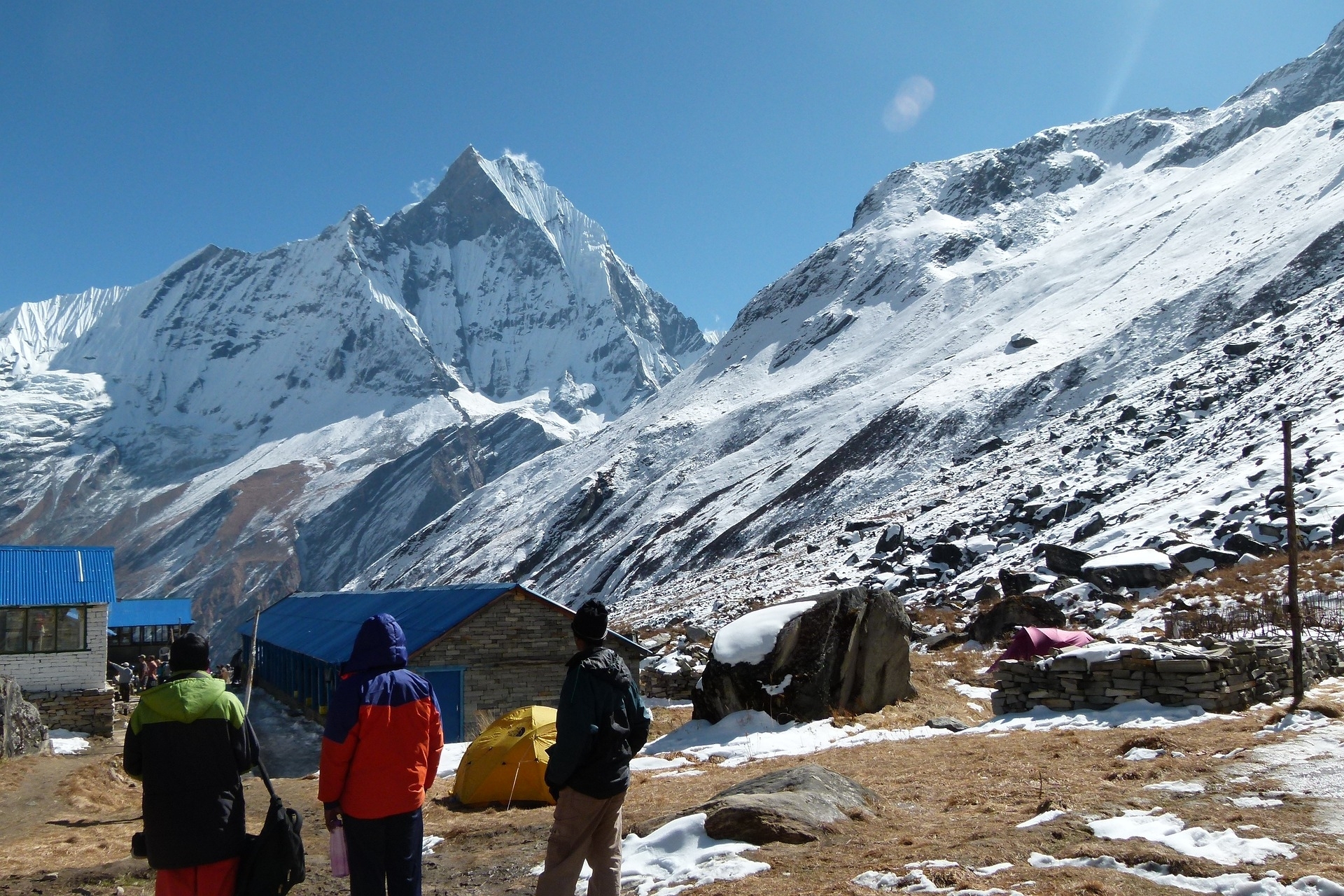
The Annapurna Circuit Trek is regarded as one of the world’s most iconic and diverse trekking adventures, offering a dramatic contrast in geography, climate, and culture. From the lush lowlands and terraced rice fields of the Marshyangdi Valley to the arid, high-altitude landscapes near Thorong La Pass (5,416m), the trail encompasses a complete Himalayan experience. You'll pass through subtropical forests, alpine meadows, and barren plateaus that resemble Tibetan landscapes, all while enjoying stunning views of peaks like Annapurna I, Dhaulagiri, Machhapuchhre, and Manaslu.The route also takes you through culturally rich villages inhabited by Gurungs, Thakalis, Tibetans, and Manangis, allowing trekkers to experience a range of languages, customs, and traditions. One of the sacred highlights of this trek is Muktinath Temple, a significant spiritual site for both Hindus and Buddhists, symbolizing religious harmony. This remarkable blend of nature, spirituality, and culture is what makes the Annapurna Circuit Trek a truly transformative journey. For the team at Plan Nepal Trek & Expedition (P.) Ltd, facilitating such a life-changing adventure is both an honor and a passion.Best Time for Annapurna Circuit TrekThe most favorable time to undertake the Annapurna Circuit Trek is during the spring (March to May) and autumn (September to November) seasons. During these months, the weather is stable, skies are usually clear, and mountain views are breathtakingly crisp. Spring also brings rhododendron blooms, enhancing the beauty of the trail, while autumn offers pleasant trekking temperatures and post-monsoon greenery.Monsoon season (June to early September) is generally avoided due to heavy rain, muddy trails, and increased risk of landslides, especially in lower altitudes. Winter (December to February), although dry, brings snow and extreme cold at higher elevations, particularly around Thorong La Pass. However, for those seeking solitude and dramatic snow-covered landscapes, winter treks can be equally rewarding—with the proper gear and preparation.Annapurna Circuit Trekking DifficultyThe Annapurna Circuit Trek is considered moderate to challenging and is suitable for both experienced trekkers and physically fit first-timers. The trek spans 160 to 230 kilometers depending on the route and side trips taken. One of the biggest physical challenges is the altitude gain, particularly the ascent to Thorong La Pass (5,416m), which can cause altitude sickness if not properly acclimatized.Daily trekking hours range from 5 to 8 hours, with variations depending on terrain and weather. The trail includes a mix of steep climbs, descents, rocky paths, and suspension bridges. Despite its challenges, the trek is manageable with a good level of fitness, and Plan Nepal Trek & Expedition ensures a steady pace and well-timed acclimatization days to support your safety and comfort.Food and Accommodation for Annapurna Circuit TrekAccommodation along the Annapurna Circuit consists of teahouses and lodges, which provide basic yet cozy lodging with twin-share rooms, warm blankets, and shared bathrooms. As you ascend, facilities become more rustic, but the welcoming hospitality remains a constant. Plan Nepal Trek & Expedition partners with reliable teahouses to ensure trekkers receive clean rooms and hygienic meals throughout the journey.Food on the trail is nutritious and diverse, with menus offering local Nepali dishes like dal bhat (lentil soup with rice), as well as Tibetan bread, noodles, momos, and even pasta and pancakes. Warm drinks such as tea, coffee, and herbal infusions are available at every stop. The availability of fresh fruits and safe drinking water varies with altitude, but your guide from Plan Nepal will ensure your dietary needs are met with care.Why Choose Annapurna Circuit TrekChoosing the Annapurna Circuit means choosing a classic Himalayan adventure that delivers awe-inspiring landscapes, rich cultural encounters, and the challenge of trekking through one of the world’s most varied terrains. The route is dotted with waterfalls, deep gorges, ancient monasteries, and sacred temples. It not only fulfills a trekker’s dream of seeing majestic peaks up close but also provides insight into rural Himalayan life that is both humble and deeply spiritual.With Plan Nepal Trek & Expedition, you’re not just joining a trek—you’re embracing a journey planned with attention to detail, safety, and authentic local connection. Our experienced guides, porter support, and personalized services ensure that every step of your Annapurna adventure is meaningful and memorable. Whether it's your first time in the Himalayas or you're a seasoned trekker, Annapurna Circuit with us offers the kind of experience that stays with you forever.

Tsum Valley Trek, offered by Plan Nepal Trek & Expedition, takes you on a journey through one of Nepal’s most remote and untouched Himalayan regions. Nestled in the mid-north-west Himalayas of the Gorkha area, the Tsum Valley is a hidden gem also called the “Valley of Happiness.” This trek ventures into secluded, rarely visited villages that have preserved their ancient Tibetan culture, surrounded by majestic peaks of the Manaslu and Ganesh Himal mountain ranges. Unlike the more popular trekking routes in Nepal, Tsum Valley offers an authentic glimpse into the serene wilderness and spiritual lifestyle of its inhabitants, making it a truly special and immersive adventure.The name “Tsum” originates from the ancient Tibetan word “Beyul Kyamlung,” meaning the “Valley of Great Happiness.” This mystical place holds great spiritual significance with many sacred monasteries and pilgrimage sites scattered throughout the region. Trekking here is not only a physical challenge but a chance to experience the rich traditions and warm hospitality of the local people, who are believed to be direct descendants of Tibetan immigrants. The trek offers stunning panoramic views of snow-capped mountains and pristine landscapes, making every step a rewarding experience.Best Time for Tsum Valley TrekThe ideal seasons to embark on the Tsum Valley Trek are during the autumn months from late September to November and the spring months from March to May. These periods offer the most stable weather with clear skies and moderate temperatures, perfect for trekking and mountain views. During autumn, the rhododendron forests and alpine meadows burst into vibrant colors, enhancing the natural beauty of the trail. Springtime, on the other hand, is famous for its blooming wildflowers and lush green landscapes.Winter months from December to February can be extremely cold, especially at higher altitudes, and heavy snowfall might block the trails. Similarly, the monsoon season from June to early September is not recommended as frequent rain can cause landslides, slippery trails, and limited visibility of the mountains. Planning your trek with Plan Nepal Trek & Expedition during the prime seasons ensures a safe, enjoyable, and visually spectacular experience.Tsum Valley Trekking DifficultyThe Tsum Valley Trek is categorized as a moderate to challenging trek. While it does not involve technical climbing or extreme altitudes, trekkers should be prepared for long walking days on rugged trails, some steep ascents and descents, and an average altitude of 3,000 to 4,500 meters. The terrain varies from lush forests to rocky mountain paths, requiring good physical fitness and stamina.Trekking through remote and isolated villages means limited access to modern conveniences, so mental endurance and a spirit of adventure are essential. However, the trek does not require advanced mountaineering skills, making it accessible to enthusiastic hikers who have some prior trekking experience. Plan Nepal Trek & Expedition provides expert guides and support staff to assist with acclimatization and ensure your safety throughout the journey.Food and Accommodation for Tsum Valley TrekFood and accommodation options during the Tsum Valley Trek are simple but comfortable, reflecting the rustic charm of this remote Himalayan region. Most nights are spent in traditional teahouses or lodges, which provide basic amenities such as clean bedding and hot showers where available. The hospitality of the local people adds warmth to the trek, as many lodges are family-run and offer delicious home-cooked meals.The menu mainly consists of Tibetan and Nepali dishes such as dal bhat (rice with lentils), momos (dumplings), noodles, soups, and fresh vegetables. Drinking water is usually available, but it’s recommended to purify or drink bottled water to avoid any stomach issues. As the region is remote, it is wise to bring some snacks and energy bars. Plan Nepal Trek & Expedition ensures trekkers have access to safe and nutritious food and comfortable lodging, making your stay pleasant after long days on the trail.Why Choose Tsum Valley Trek with Plan Nepal Trek & Expedition?Choosing Plan Nepal Trek & Expedition for your Tsum Valley adventure guarantees a well-organized, authentic, and safe trekking experience. With years of expertise in Nepal’s trekking industry, the company is committed to providing personalized service, knowledgeable guides, and logistical support to ensure a smooth journey from Kathmandu to the hidden valleys of Tsum. They prioritize responsible tourism by respecting local culture and supporting sustainable travel practices that benefit the communities.Their detailed itinerary balances adventure and cultural exploration, allowing trekkers to immerse themselves in the unique environment without feeling rushed. The company also emphasizes safety, offering thorough briefings, acclimatization days, and reliable equipment. For anyone looking to discover a lesser-known part of the Himalayas with the backing of an experienced and trustworthy operator, Plan Nepal Trek & Expedition is the perfect choice.

The Gokyo-Chola Pass with Everest Base Camp Trek, also known as the Everest Circuit Trek, is one of the most stunning and adventurous trekking routes in the Khumbu region of Nepal. Organized by Plan Nepal Trek & Expedition, this 20-day journey takes you into the very heart of the Himalayas, blending spectacular natural beauty with deep-rooted Sherpa culture. The trek begins in the vibrant capital city of Kathmandu and ascends through lush forests, picturesque villages, high alpine valleys, and sacred glacial lakes, eventually reaching the base of the world’s highest mountain—Mount Everest (8,848m).What sets this trek apart is the route that passes through the serene Gokyo Valley, over the challenging Cho La Pass (5,420m), and culminates at the awe-inspiring Everest Base Camp (5,364m) and Kala Patthar (5,545m) for some of the best panoramic views in the Himalayas. The Gokyo Lakes—a series of glacial blue lakes—are one of the major highlights, along with breathtaking views of four 8,000-meter giants: Everest, Lhotse, Makalu, and Cho Oyu. The route forms a semi-circular loop that offers diverse scenery, from pristine lakes to towering peaks and ancient monasteries.Best Time for Gokyo-Chola Pass with EBC TrekThe best seasons for the Gokyo-Chola Pass with EBC Trek are spring (March to May) and autumn (late September to November). During spring, the trails come alive with blooming rhododendrons, and the weather is typically dry and stable, offering clear mountain views. The temperatures at higher elevations are cold but manageable, and this is also a great time to enjoy the cultural festivals that often take place in the lower valleys.Autumn is considered the most ideal time for this trek due to its post-monsoon clarity. Skies are generally crystal clear, offering the best visibility of the Himalayan giants, and the weather is cool and pleasant for trekking. While it is possible to trek in winter (December to February), be prepared for extremely cold temperatures and potential snow blockages at high passes like Cho La. Monsoon (June to August) is not recommended due to heavy rains, leeches, and landslides in the lower regions.Gokyo-Chola Pass with EBC Trekking DifficultyThe Gokyo-Chola Pass with EBC Trek is classified as a challenging and strenuous trek, suitable for experienced trekkers or those with good physical conditioning and mental resilience. One of the most demanding aspects of this trek is crossing Cho La Pass at an altitude of 5,420 meters, which often involves navigating icy terrain, steep ascents, and potentially snowy or slippery conditions. Proper acclimatization is crucial to avoid altitude sickness as you spend extended time above 4,000 meters.The trek covers a variety of terrain, from rocky trails and glacial moraines to suspension bridges and forest paths. While technical climbing skills are not necessary, previous trekking experience at high altitudes is highly recommended. With multiple days of 5-8 hour hikes, trekkers must be in good physical shape and prepared for sudden changes in weather. Plan Nepal Trek & Expedition ensures professional guides and acclimatization days are built into the itinerary to maximize safety and enjoyment.Food and Accommodation for Gokyo-Chola Pass with EBC TrekDuring the trek, food and accommodation are provided in local teahouses—traditional lodges run by Sherpa families. These teahouses offer a unique opportunity to connect with the local culture while enjoying warm hospitality. Meals are typically hearty and designed to provide the necessary energy for trekking, with a standard menu that includes dal bhat (rice and lentils), noodles, soups, fried rice, pasta, momos, and Tibetan bread.Accommodation is basic but comfortable, usually consisting of twin-sharing rooms with communal dining areas. Higher up in the mountains, especially beyond Namche and towards Gokyo or Gorakshep, facilities become more limited, and rooms may not be heated. Bathrooms are often shared, and hot showers may come at an additional cost. Plan Nepal Trek & Expedition ensures quality teahouses are chosen based on hygiene, comfort, and service, helping you to refuel and rest well each day.Why Choose Gokyo-Chola Pass with EBC TrekChoosing the Gokyo-Chola Pass with EBC Trek is choosing a journey that offers the best of the Everest region—the serenity of Gokyo Lakes, the thrill of crossing Cho La Pass, and the iconic destination of Everest Base Camp. Unlike the standard EBC trek, this route provides a circular trail, avoiding the same path on the way up and down, thus giving you a more enriched and less crowded experience. The views from Gokyo Ri and Cho La are often considered more spectacular than from the EBC trail alone, making this a must-do trek for photography lovers and mountain enthusiasts.With Plan Nepal Trek & Expedition, you're not just signing up for a trek—you’re joining a carefully curated Himalayan adventure with a team of seasoned guides, porters, and travel experts. The company is known for its personalized service, safety-first approach, and deep knowledge of the Khumbu region. Whether it’s managing logistics, ensuring proper acclimatization, or sharing stories of the local Sherpa culture, Plan Nepal Trek & Expedition elevates your trekking experience beyond expectations.

The Annapurna Circuit with Tilicho Lake Trek is one of the most captivating and challenging treks in Nepal, offering a once-in-a-lifetime journey through some of the world’s most dramatic landscapes. Organized by Plan Nepal Trek & Expedition, this trek beautifully combines the cultural richness of the Himalayan region with an adventurous trail that loops around the Annapurna Massif. The trek traverses subtropical forests, alpine meadows, and high-altitude passes, reaching as high as Thorong La Pass at 5,416 meters, the trek's highest point. You'll follow the Marsyangdi River valley before crossing into the Kali Gandaki valley, which forms the world’s deepest gorge between Dhaulagiri and Annapurna I.A special highlight of this route is the detour to Tilicho Lake, the highest lake in the world at 4,919 meters. This isolated, sapphire-blue glacial lake is surrounded by towering peaks and is both spiritually and visually captivating. The trail also provides a cultural deep dive into the lives of the Gurung, Thakali, and Tibetan-influenced communities, showcasing authentic village life, Buddhist monasteries, prayer flags, and Himalayan hospitality. This itinerary spans 22 days and is designed for trekkers who want both the thrill of a high-altitude trek and a cultural adventure that goes beyond the ordinary.Best Time for Annapurna Circuit with Tilicho Lake TrekThe ideal seasons for the Annapurna Circuit with Tilicho Lake Trek are spring (March to May) and autumn (mid-September to November). During spring, rhododendron forests bloom in vivid colors, temperatures are moderate, and visibility is excellent for panoramic mountain views. This season also allows for easier passage through high altitudes as the snow begins to melt, particularly around Tilicho Lake and Thorong La Pass.In the autumn season, the skies are generally clear with crisp air, offering stunning visibility of the Himalayas. This post-monsoon period means the trails are dry and ideal for trekking. Winter (December–February) is possible for experienced trekkers but expect heavy snow and freezing conditions. Monsoon (June–August) is least recommended due to landslides, leeches, and slippery trails.Annapurna Circuit with Tilicho Lake Trekking DifficultyThe Annapurna Circuit with Tilicho Lake Trek is categorized as a moderate to strenuous trek, primarily due to the high-altitude terrain and the length of the itinerary. The inclusion of Tilicho Lake makes the route slightly more demanding than the standard Annapurna Circuit. Trekkers should be prepared to walk 6–8 hours per day on rugged trails, with significant ascents and descents.Acute Mountain Sickness (AMS) is a serious consideration due to the high altitude. Fortunately, the itinerary includes a proper acclimatization day at Manang, which helps the body adjust to the elevation. A good level of physical fitness and mental resilience is important. Prior multi-day trekking experience is helpful, but not mandatory if you train beforehand and go with an experienced guide from Plan Nepal Trek & Expedition.Food and Accommodation During the TrekThroughout the trek, accommodation is provided in local teahouses, which offer basic yet comfortable lodging. Teahouses typically include a twin bed, mattress, pillow, and blanket. While heating may not be available in rooms, dining areas often have a wood stove or heater to warm you up during dinner. At higher elevations, facilities can be more basic, but the hospitality remains warm and welcoming.As for food, trekkers will be served nutritious and hearty meals three times a day. Typical meals include dal bhat (rice, lentils, vegetables), noodles, pasta, Tibetan bread, eggs, soups, and porridge. Hot beverages like tea, coffee, and ginger lemon honey tea are widely available. As you ascend higher, food variety may reduce slightly due to limited transportation, but Plan Nepal Trek & Expedition ensures quality food and safe water for every trekker.Why Choose Annapurna Circuit with Tilicho Lake TrekThis trek stands out because it goes beyond the popular Annapurna Circuit by incorporating the majestic Tilicho Lake, making it a true adventure for nature lovers and cultural explorers alike. It offers a 360-degree Himalayan experience—ranging from lush valleys and terraced farmlands to barren alpine deserts and snowy passes. The route showcases a vast array of flora and fauna and lets you walk through traditional villages where you can interact with ethnic groups like Gurungs, Thakalis, and Manangis, gaining firsthand insight into Himalayan traditions and lifestyle.Moreover, trekking with Plan Nepal Trek & Expedition ensures your safety, comfort, and local insight. With well-designed itineraries, experienced guides, porter support, and attention to acclimatization and health, the company is dedicated to delivering a memorable and safe Himalayan experience. Whether you’re a solo traveler or part of a group, this trek is a perfect blend of physical challenge and spiritual reward.Things to Know Before TravelingBefore exploring on this trek, it’s essential to respect local customs and etiquette. Photography is restricted around military and religious sites, and always ask permission before taking photos of locals. Pointing at people or religious objects with your finger is considered impolite; instead, use your whole hand or nod.Dress modestly, especially in villages and monasteries. Avoid wearing revealing clothes, and be mindful of local traditions. Trekking in the Himalayas also means unpredictable weather, so pack according to the season, including layers, rain gear, sunscreen, and altitude medication. Importantly, stick to the itinerary and instructions provided by Plan Nepal Trek & Expedition, especially when dealing with altitude and route changes for safety.

With dozens of majestic peaks and the vast majority of its geography dominated by the Himalayas, Nepal is the ultimate destination for mountaineering and trekking enthusiasts. From beginner-friendly trails to demanding high-altitude expeditions, the country caters to adventurers of all experience levels. One such gem is Mera Peak (6,476m), often underestimated in difficulty but highly revered for its rewarding climb and panoramic views. Positioned in the Everest region, it offers a stepping stone for future high-altitude climbs and serves as a popular acclimatization and training peak.Despite its altitude, Mera Peak is considered one of the more approachable trekking peaks in Nepal. It lies off the mainstream Everest Base Camp trail, providing a remote and quieter experience. Historically, it gained recognition when the Everest pioneers—Sir Edmund Hillary and Tenzing Norgay Sherpa—first explored the area. Since then, its popularity has grown steadily, drawing adventurers seeking to test their endurance and immerse themselves in raw Himalayan beauty.Best Time for Mera Peak ClimbingThe best time to climb Mera Peak is during the pre-monsoon (spring) season from March to May and the post-monsoon (autumn) season from late September to early November. These periods offer the most stable weather, clearer skies, and relatively warmer temperatures, making high-altitude climbing more manageable and safer. In spring, the rhododendron forests are in bloom, and the days are longer, allowing for more comfortable trekking conditions and stunning views of the surrounding Himalayan giants such as Everest, Lhotse, Makalu, and Cho Oyu.Autumn is equally favored for Mera Peak expeditions because of its crisp air and minimal precipitation. Post-monsoon, the trails are fresh and dust-free, and the visibility is at its best—ideal for both photography and summit success. Winter expeditions (December to February) are possible but come with extreme cold, snow-covered trails, and increased difficulty. Summer (June to August), being the monsoon season, is not recommended due to heavy rainfall, landslides, and poor visibility.Mera Peak Climbing DifficultyDespite its elevation of 6,476 meters (21,247 feet), Mera Peak is considered a non-technical trekking peak, which means you don’t need advanced mountaineering experience to climb it. However, it is still physically demanding due to the high altitude, cold temperatures, and long trekking days. The climb includes glacier travel, snow walking, and a steep final ascent to the summit, often requiring the use of crampons, ice axes, and ropes—all of which are taught and practiced during acclimatization at Khare and High Camp.Proper acclimatization, physical fitness, and mental preparation are essential for success. Acute Mountain Sickness (AMS) is a real risk at such altitudes, which is why the itinerary provided by Plan Nepal Trek & Expedition is designed to gradually ascend and include contingency and acclimatization days. With trained guides, safety equipment, and the right pacing, the difficulty becomes manageable even for first-time climbers seeking their first Himalayan summit.Food and Accommodation for Mera Peak ClimbingDuring the trek to Mera Peak, accommodation is primarily in local teahouses or lodges up to Khare. These are simple but functional, offering twin-share rooms with basic bedding. Meals typically include dal bhat (rice, lentils, vegetables), noodles, soups, pasta, pancakes, and occasional meat options. From Khare to High Camp and on the summit push, accommodation shifts to tented camping, and meals are prepared by experienced expedition cooks to maintain energy levels and hygiene.Clean drinking water (boiled or filtered) is provided throughout the trek, and vegetarian options are always available. The company also takes care to accommodate dietary restrictions upon request. The focus is on high-energy, nutritious meals to sustain climbers during physically demanding days. Plan Nepal Trek & Expedition ensures that food safety and hygiene are prioritized to prevent illness at high altitudes.Why Choose Mera Peak ClimbingMera Peak is one of the most rewarding and scenic trekking peaks in Nepal. Standing at 6,476m, it offers a true Himalayan expedition experience without the technical challenges of more advanced climbs. The summit rewards you with panoramic views of five of the world's tallest mountains—Everest, Lhotse, Makalu, Kanchenjunga, and Cho Oyu. It’s also an excellent training peak for those considering 7,000m or 8,000m expeditions in the future, making it a stepping stone for higher mountaineering goals.Climbing Mera Peak is about more than just the summit. The journey through the remote Hinku Valley, far from the crowded Everest trails, immerses you in pristine alpine wilderness and Sherpa culture. With expert guidance from Plan Nepal Trek & Expedition, climbers benefit from personalized service, experienced staff, and a strong focus on safety and sustainability. Whether you’re a first-time climber or a seasoned trekker, Mera Peak offers a challenging, beautiful, and memorable Himalayan adventure.

At an altitude of 6,119 meters, Lobuche East Peak is one of the most iconic trekking peaks in Nepal's Solukhumbu district, situated near the Khumbu Glacier and in close proximity to the famous Everest Base Camp. This climb is a rewarding extension to the traditional Everest Base Camp trek, offering trekkers the chance to experience both high-altitude trekking and Himalayan mountaineering in a single expedition. Organized by Plan Nepal Trek & Expedition, the journey allows climbers to immerse themselves in Sherpa culture, high-altitude terrain, and dramatic alpine views.Lobuche East provides an excellent introduction to peak climbing for both novice climbers with basic skills and experienced mountaineers looking for a short technical climb. The ascent includes moderate to technical sections with glaciated terrain, fixed ropes, and the use of mountaineering gear like crampons, ice axe, and harnesses. From the summit, climbers are rewarded with panoramic views of Everest (8,848m), Lhotse (8,516m), Makalu (8,485m), Ama Dablam (6,812m), and many more. The climb blends physical challenge with cultural exploration, making it an unforgettable experience for those with a spirit of adventure.Best Time for Lobuche East Peak ClimbingThe best seasons for Lobuche East Peak climbing are spring (March to May) and autumn (September to November). These months provide the most stable weather, clear skies, and moderate temperatures, making the climb both safer and more enjoyable. During spring, the trails are decorated with blooming rhododendrons and alpine flowers, adding color and vibrancy to the already majestic Himalayan landscapes. Climbers can enjoy good visibility, which is essential for both trekking and summit day success.Autumn is equally ideal, with post-monsoon freshness in the air and crisp mountain views. The temperatures during the day are mild, and the nights, although cold, are not extreme, which aids acclimatization and overall comfort. Additionally, these periods experience fewer flight cancellations to and from Lukla due to better weather conditions. Plan Nepal Trek & Expedition recommends planning your climb during these peak seasons for the highest success rate and best overall experience.Lobuche East Peak Climbing DifficultyLobuche East Peak is considered a moderately technical climbing peak. While it is not as technically challenging as some of the higher Himalayan expeditions, it still demands a good level of physical fitness, mental determination, and basic mountaineering knowledge. The trail up to Lobuche Base Camp follows the Everest Base Camp trek, which includes steep ascents, high-altitude terrain, and acclimatization stops, all of which prepare climbers gradually for the climb.From Lobuche High Camp, the summit push involves navigating crevassed glaciers, steep snow slopes, and rocky ridgelines. Fixed ropes are usually placed on the more technical sections to assist climbers. You should be familiar with the use of climbing equipment, though Plan Nepal Trek & Expedition provides thorough pre-climb briefings and training sessions to prepare every participant. With professional guides and a well-structured itinerary that includes rest and acclimatization days, climbers with good stamina and preparation can summit Lobuche East successfully.Food and Accommodation for Lobuche East Peak ClimbingDuring the trek from Lukla to Lobuche Base Camp, climbers will stay in tea houses or mountain lodges, which provide simple but comfortable lodging and warm meals. Typical meals include traditional Nepali dal bhat (rice with lentils and vegetables), Tibetan bread, pasta, noodles, eggs, soups, and sometimes even pizza or pancakes. Herbal teas, hot chocolate, and local beverages are available to keep trekkers warm and hydrated in the cold environment.At Lobuche Base Camp and High Camp, climbers stay in tented camps, where food is prepared by the expedition's kitchen staff. These meals are nutritious and high in calories, crucial for maintaining energy at high altitudes. Plan Nepal Trek & Expedition ensures proper hygiene, clean water, and a balanced diet throughout the journey. Tents are shared, and climbers are provided with foam mattresses and sleeping bags suitable for sub-zero conditions, ensuring warmth and rest before and after summit day.Why Choose Lobuche East Peak ClimbingLobuche East Peak climbing is perfect for those seeking an experience that combines trekking through the heart of the Khumbu region with the excitement of mountaineering. The climb offers the ultimate Himalayan adventure—from visiting Everest Base Camp and scaling Kala Patthar for breathtaking sunrise views, to summiting a majestic peak surrounded by the highest mountains on Earth. Few other treks provide this unique combination of adventure, culture, and achievement in just over two weeks.Choosing Plan Nepal Trek & Expedition means you're traveling with a team of licensed guides, Sherpas, and mountaineering experts who bring years of experience, safety training, and local knowledge to your journey. With a focus on client care, safety, and authentic Himalayan experiences, the company ensures every detail of the trip is handled professionally—from logistics and permits to altitude management and emergency planning. Whether you're a seasoned trekker or a first-time climber, Lobuche East with Plan Nepal Trek & Expedition will be a life-changing adventure.

Chulu Far East Peak Climbing is an exhilarating high-altitude adventure located in the Annapurna region of Nepal. Standing tall at 6,059 meters (19,874 feet), Chulu Far East offers climbers a unique blend of trekking and mountaineering. The ascent combines scenic Himalayan trekking through traditional villages like Manang and Yak Kharka with technical climbing, making it an ideal expedition for those looking to challenge themselves beyond a typical trek. Climbers will be rewarded with breathtaking panoramic views of towering peaks including Annapurna II, Lamjung Himal, and the majestic Dhaulagiri range.Plan Nepal Trek & Expedition expertly organizes this climb, ensuring that adventurers are well-prepared and supported throughout the journey. The route begins with a gradual acclimatization trek through picturesque landscapes before reaching the higher base camps. From there, climbers undertake a challenging ascent, which demands both physical endurance and basic mountaineering skills such as the use of crampons and ice axes. This expedition is perfect for trekkers who want to step into the world of Himalayan climbing without the extreme technicality of higher peaks like Everest or Annapurna I.Best Time for Chulu Far East Peak ClimbingThe best seasons for climbing Chulu Far East are pre-monsoon (spring: March to May) and post-monsoon (autumn: late September to November). During these periods, the weather is generally stable with clear skies, offering optimal visibility and safer climbing conditions. The spring season brings blooming rhododendrons and moderate temperatures, making the approach trek particularly beautiful. Autumn, on the other hand, provides crisp air and stunning mountain vistas after the summer monsoon has cleared the dust and clouds.Winter months can be extremely cold with heavy snowfall, increasing the risk of avalanches and making the climb more hazardous. The monsoon season (June to August) is generally avoided due to heavy rain, slippery trails, and poor visibility. Plan Nepal Trek & Expedition carefully plans expeditions within these ideal windows, balancing the best possible weather with acclimatization needs and safety.Food and Accommodation for Chulu Far East Peak ClimbingDuring the Chulu Far East expedition, accommodation is primarily in teahouses and lodges along the trekking route, which provide basic yet comfortable facilities. In villages like Manang, Upper Pisang, and Yak Kharka, trekkers can expect cozy guesthouses serving local Nepali dishes as well as simple international meals. As the expedition moves higher, facilities become more rustic with limited electricity and simple sleeping arrangements, but warmth and hospitality from local staff are always welcoming.Plan Nepal Trek & Expedition ensures that climbers receive nutritious, high-energy meals essential for maintaining strength and stamina at altitude. Dal Bhat (rice and lentils) is the staple dish, accompanied by soups, noodles, and fresh vegetables whenever available. Hydration is emphasized, and safe drinking water is made accessible through purification methods. For summit days, lightweight, energy-rich snacks are provided to sustain climbers through the rigorous climb.Chulu Far East Peak Climbing DifficultyClimbing Chulu Far East is categorized as a moderate technical climb suitable for trekkers with good physical fitness and some basic mountaineering experience. The ascent involves navigating snow and ice-covered slopes, crevasses, and occasionally steep sections requiring the use of crampons and fixed ropes. While the peak is not among the most technically demanding in Nepal, climbers should be comfortable with altitude and have proper acclimatization to reduce the risk of altitude sickness.The trek to base camp itself is challenging but rewarding, as it gradually gains altitude, helping climbers acclimatize effectively. Weather conditions and terrain can change rapidly, so climbers need to be prepared for cold temperatures, high winds, and physical exhaustion. Plan Nepal Trek & Expedition provides expert guides, necessary climbing equipment, and thorough safety protocols to support climbers throughout the journey, ensuring a safer and more enjoyable experience.Why Choose Chulu Far East Peak Climbing with Plan Nepal Trek & Expedition?Plan Nepal Trek & Expedition is a reputable company specializing in Himalayan trekking and mountaineering adventures, known for its personalized service and expert guidance. Choosing Plan Nepal Trek & Expedition for your Chulu Far East Peak Climbing means you get experienced, certified guides who prioritize your safety and comfort while providing invaluable local knowledge and cultural insights. The team’s meticulous planning ensures acclimatization schedules, weather considerations, and logistics are well-managed to give you the best chance for a successful summit.Moreover, Plan Nepal Trek & Expedition emphasizes sustainable and responsible tourism by supporting local communities and minimizing environmental impact. From arranging quality gear and porters to providing high-standard meals and accommodations, the company handles every detail so climbers can focus on the adventure. Whether you’re an experienced climber or an adventurous trekker stepping into mountaineering for the first time, Plan Nepal Trek & Expedition offers a supportive, professional, and unforgettable climbing experience on Chulu Far East Peak.

The New Annapurna Circuit Trek after the road construction presents a refined and well-paced trekking experience, focusing on the most scenic, cultural, and alpine segments of the traditional route. With road access shortening some earlier walking stages, this updated itinerary designed by Plan Nepal Trek & Expedition (P.) Ltd. allows trekkers to skip the dusty road sections and jump straight into the breathtaking highland landscapes of the Annapurna region.Your journey begins in Chame, taking you through charming villages like Pisang and Ngawal, culminating in the picturesque Manang Village—a cultural and acclimatization hub surrounded by towering Himalayan giants. From there, the trail ascends to Yak Kharka and Thorong Phedi, leading up to the awe-inspiring Thorong La Pass (5,416m)—one of the world’s highest and most dramatic trekking passes. After conquering the pass, you descend into the sacred village of Muktinath, revered by Hindus and Buddhists alike, before continuing through the lower Mustang and lush rhododendron forests toward Tatopani, Ghorepani, and finally the iconic sunrise viewpoint at Poon Hill.This 17-day adventure offers an unforgettable blend of Himalayan majesty, cultural heritage, and biodiversity—from arid valleys to alpine meadows and terraced farmlands. By tailoring the route post-road-construction, Plan Nepal Trek ensures you spend more time immersed in natural beauty and cultural wonder, rather than on busy jeep trails.Experience RequiredThe New Annapurna Circuit Trek is considered a moderate to challenging trek, best suited for individuals with a good level of physical fitness and a passion for walking in the mountains. On average, you will be trekking 5–7 hours per day with a light daypack, though some days, particularly the Thorong La Pass day, can extend longer and be more strenuous due to high altitude and steep ascents/descents.Trekking at elevations above 3,500 meters requires more physical effort than walking at lower altitudes. That said, no technical climbing or mountaineering skills are needed. Having previous multi-day hiking experience is certainly helpful, but even first-time trekkers can complete the circuit with proper preparation, determination, and positive mindset. Regular cardio training, hiking, or jogging in the weeks leading up to the trek can significantly boost endurance and strength.It’s vital for participants with pre-existing medical conditions—especially related to the heart, lungs, or blood pressure—to consult a physician before embarking on this journey. Also, Plan Nepal Trek & Expedition should be informed of any medical issues or medications in advance to help you manage altitude-related risks like AMS (Acute Mountain Sickness).Best Time for New Annapurna Circuit Trek After the RoadThe best times to undertake this trek are during spring (March to May) and autumn (September to November). These months offer clear skies, moderate temperatures, and the best visibility of the Annapurna and Dhaulagiri mountain ranges. In spring, the trail is alive with blooming rhododendrons, while autumn provides crisp air, post-monsoon freshness, and colorful landscapes.Winter (December–February) brings heavy snow to the high passes like Thorong La, often making them impassable without technical gear. Similarly, the monsoon season (June–August) brings slippery trails and reduced visibility due to rain and cloud cover, although the Mustang region sees less rainfall and can be trekked with caution.Plan your trek in spring or autumn for the safest and most visually rewarding experience.Food & AccommodationThroughout the trek, Plan Nepal Trek & Expedition ensures clean, comfortable, and culturally rich tea house accommodation. These local lodges provide basic but welcoming rooms with twin beds, warm blankets, and communal dining areas heated by wood stoves in the colder regions. In lower villages like Ghandruk or Ghorepani, accommodations are more modern, sometimes even with private bathrooms and hot showers.Meals along the trail are nutritious, filling, and locally sourced. You'll enjoy traditional Nepali dishes such as dal bhat (lentils, rice, and vegetables), Tibetan bread, momos (dumplings), noodles, fried rice, and soups. Most tea houses also offer Western options like pancakes, porridge, and pasta. Hydration is key at altitude, so purified or boiled drinking water is always available, and we recommend carrying reusable bottles with filtration systems.All food and lodging logistics are professionally arranged by Plan Nepal Trek, ensuring a safe and culturally immersive experience.New Annapurna Circuit Trek After the Road DifficultyThough rated as moderate to strenuous, the New Annapurna Circuit Trek is achievable by anyone with good physical condition and mental perseverance. The main challenge lies in the altitude gain and the long ascent to Thorong La Pass. Starting from around 2,700m in Chame, trekkers steadily climb to over 5,400m at the pass, making proper acclimatization days (like in Manang) essential.The terrain varies from gentle forest trails to rocky ascents and high mountain paths. The longest and most taxing day is crossing Thorong La, which starts pre-dawn to avoid high winds and takes 7–9 hours depending on fitness. Descents can be equally demanding on knees and joints, so using trekking poles is recommended.Despite the physical demands, this trek offers progressive altitude gain, rest days, and full support from local guides and porters, all of which make it a safe and rewarding challenge for most hikers.Why Choose the New Annapurna Circuit Trek After the Road?This new route design eliminates long, dusty jeep tracks and focuses on the most authentic and scenic stretches of the Annapurna Circuit. It’s perfect for those who want the essence of the classic trek with fewer logistics, more comfort, and optimized acclimatization. From crossing high passes to soaking in hot springs, visiting temples, and watching Himalayan sunrises, this trek encapsulates the full range of Nepal’s trekking appeal.Moreover, with Plan Nepal Trek & Expedition (P.) Ltd., you trek with a trusted, local team with decades of experience organizing high-altitude treks. Their personal attention, safety-first approach, and commitment to sustainable tourism ensure that your journey is not only memorable but meaningful. They offer professional guides, support staff, quality accommodation, and all the logistical care needed for a smooth Himalayan adventure.Whether it’s your first trek in Nepal or your fifth, this reimagined Annapurna Circuit delivers unparalleled beauty, cultural richness, and personal achievement—without the compromises of the modern road.

With an abundance of tall, snow-capped peaks and mountains ideal for adventure and expeditions, Island Peak stands out as one of the premier destinations for thrill-seekers. Located in the Everest Region of Nepal, renowned worldwide for its breathtaking trekking routes and mountaineering challenges, Island Peak offers an unforgettable expedition experience. Standing at an elevation of 6,160 meters (20,210 feet), Island Peak is considered one of the best introductory high-altitude climbs. It combines the excitement and challenge of mountaineering with relatively less physical strain compared to other Himalayan summits, making it particularly popular among beginner climbers and adventure enthusiasts.Originally known as Imja-Tse, the peak got its nickname “Island Peak” because from a distance, it appears as a solitary island surrounded by towering glaciers and mountains. The trek to the basecamp itself is a spectacular journey that takes travelers through some of the most awe-inspiring landscapes in the Khumbu region. Along the way, trekkers are treated to stunning views of Everest, Lhotse, Nuptse, and Ama Dablam. The route is rich with Sherpa culture, dotted with quaint tea houses managed by local families, and offers a chance to visit significant Buddhist monasteries that hold historical and spiritual importance. Plan Nepal Trek & Expedition ensures that this experience is not just a climb but a cultural and natural immersion into the heart of the Himalayas.Best Time for Island Peak Climbing – Plan Nepal Trek & ExpeditionThe best times to undertake the Island Peak climb are during the pre-monsoon (spring) season from March to May and the post-monsoon (autumn) season from late September to November. These periods offer the most stable weather, clearer skies, and breathtaking views of the snow-capped peaks. Spring is particularly popular because of the blooming rhododendrons and relatively warm temperatures, while autumn brings crisp air and fantastic visibility of the surrounding Himalayan giants.Climbing outside these windows can be challenging due to heavy snowfall, unpredictable weather, and colder temperatures. Winter expeditions, although possible, require advanced mountaineering skills and experience with extreme cold. Summer monsoon months, from June to early September, generally bring heavy rains, increased risk of landslides, and poor visibility, making trekking and climbing less safe and enjoyable. Plan Nepal Trek & Expedition carefully plans expeditions during the optimal seasons to maximize safety, comfort, and the overall experience for climbers.Island Peak Climbing Difficulty – Plan Nepal Trek & ExpeditionIsland Peak is often considered a moderately difficult climb that provides an excellent introduction to high-altitude mountaineering. While the trek to basecamp is demanding, it is manageable for most fit and acclimatized trekkers. The climb itself requires basic mountaineering skills such as using crampons, ice axes, and fixed ropes. Climbers must also be comfortable with glacier travel and navigating steep snow and ice slopes.Despite being accessible for beginners, the physical challenge should not be underestimated. The altitude, weather conditions, and technical sections near the summit can pose serious difficulties. Proper acclimatization days, like those scheduled in Namche Bazaar and Dingboche, are crucial to minimize altitude sickness risks. Plan Nepal Trek & Expedition ensures all climbers receive necessary training, guidance, and support from experienced Sherpa guides and mountaineers to safely conquer Island Peak while enjoying the climb’s thrilling challenges.Food and Accommodation for Island Peak Climbing – Plan Nepal Trek & ExpeditionDuring the Island Peak expedition, accommodation is primarily in cozy tea houses and lodges along the trekking route. These family-run establishments provide a warm and hospitable environment for climbers after a day of trekking and acclimatization. The facilities are basic but comfortable, with common dining areas where climbers can relax, share stories, and enjoy local hospitality.Meals typically consist of a mix of traditional Nepali cuisine and popular international dishes such as dal bhat (lentil soup with rice), noodles, soups, and pasta. Adequate nutrition is essential during high-altitude expeditions, and Plan Nepal Trek & Expedition makes sure that clients receive well-balanced meals tailored to support energy needs. At basecamp and higher altitudes, meals might be simpler and more focused on carbohydrates and hydration to maintain stamina during the climb.Why Choose Island Peak Climbing with Plan Nepal Trek & ExpeditionChoosing Plan Nepal Trek & Expedition for your Island Peak climb means entrusting your adventure to seasoned experts who prioritize safety, comfort, and authentic experiences. With years of experience in organizing high-altitude expeditions, the company provides professional guides, high-quality equipment, and comprehensive support throughout the journey. Their deep knowledge of the Everest region’s terrain, weather patterns, and cultural nuances ensures a seamless and memorable trip.Beyond logistics, Plan Nepal Trek & Expedition emphasizes sustainable and responsible tourism, working closely with local Sherpa communities to promote economic benefits and cultural preservation. Whether you are a beginner eager to take your first steps into mountaineering or an experienced climber seeking a rewarding summit, Island Peak climbing with this company promises breathtaking vistas, cultural immersion, and the thrill of standing atop one of Nepal’s iconic peaks.


 (2)
(2)  100% recommend (0)
 (0)
(0) 


